
The 66-cell M10 format adds two rows of cells to the residential module, reaching about 500 W in PERC (around 530 W in TOPCon). It is popular on warehouse and factory roofs where installers want fewer modules, clamps and connectors per kilowatt, yet the 26 kg weight and 2.1 m length can still be handled by two people on a metal roof without cranes.
As a monofacial backsheet module it suits low-tilt roof installations where the rear side sees little light. Check that the roof purlin spacing and the rail span suit the longer module: most manufacturers allow 2400 Pa wind suction with clamps at about one-quarter of the length from each end. Its Voc of roughly 45.6 V allows around 26–28 modules per 1500 V string in GCC temperatures, which simplifies string design on mid-size C&I inverters.
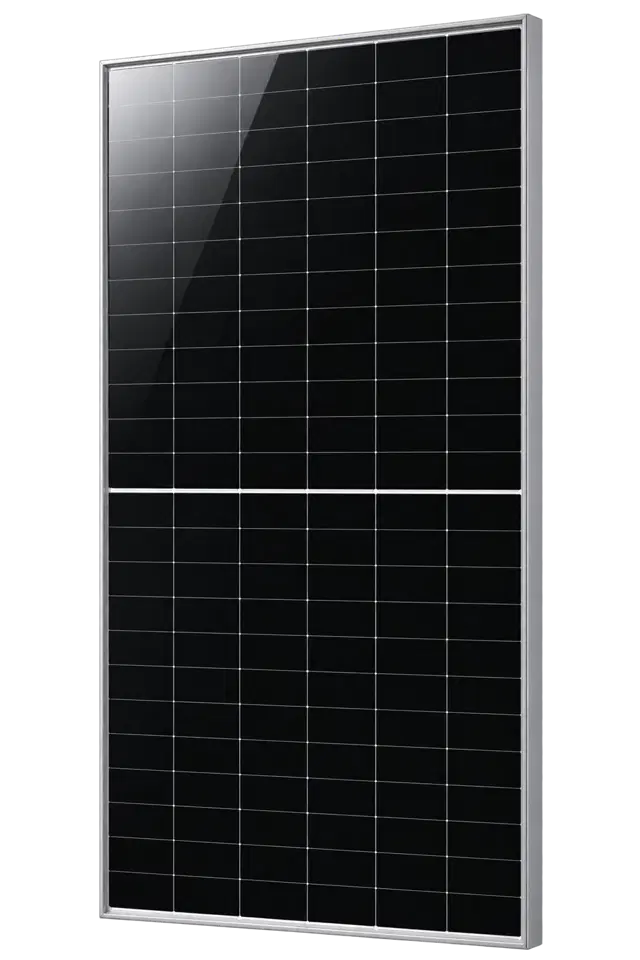
Utility-scale back-contact (HPBC 2.0) bifacial module, 640–670 W class, up to 24.8 % efficiency.
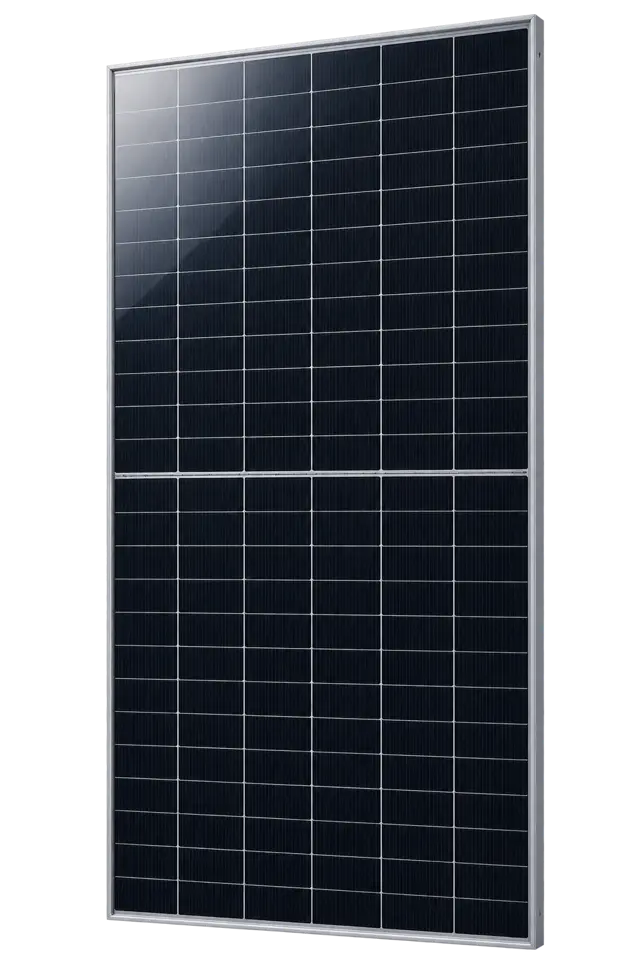
Bifacial dual-glass N-type HPDC module for ground-mount plants, 600–625 W, 23.0 % efficiency.
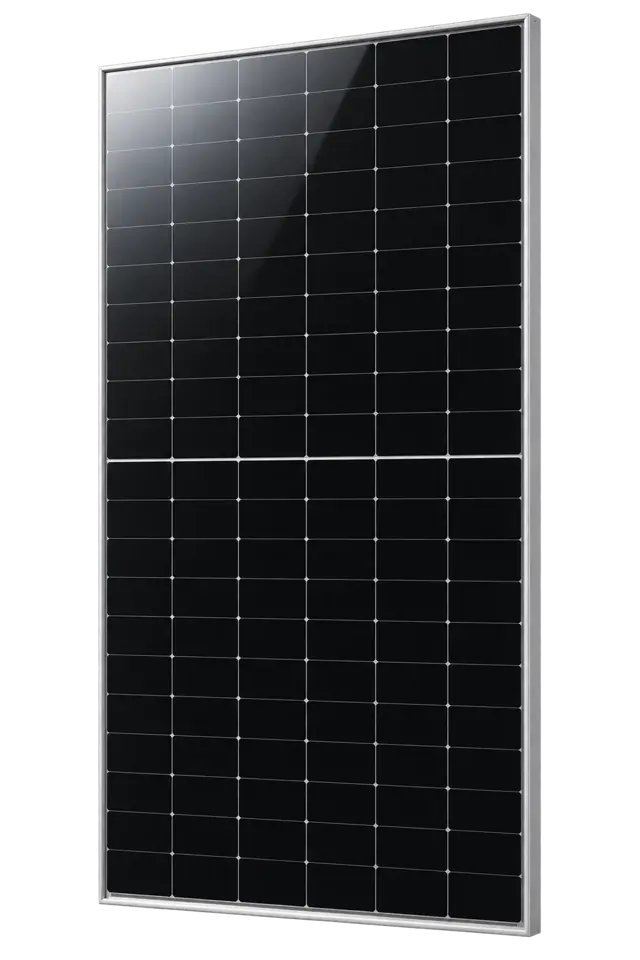
Monofacial HPBC module for commercial & industrial rooftops, 570–595 W, 22.8 % efficiency.
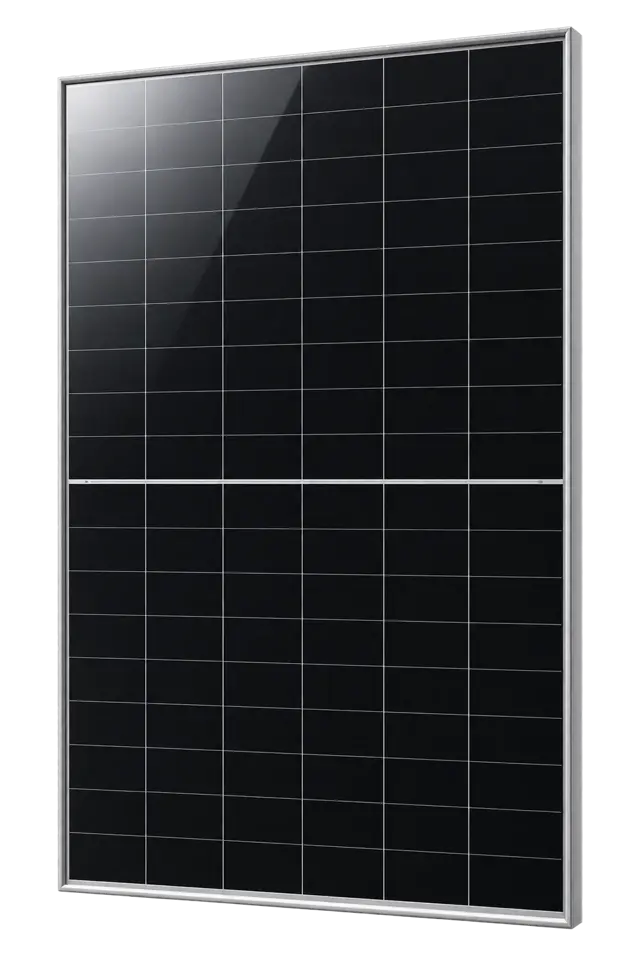
Residential back-contact rooftop module, 455–485 W, 23.3 % efficiency with anti-shading design.
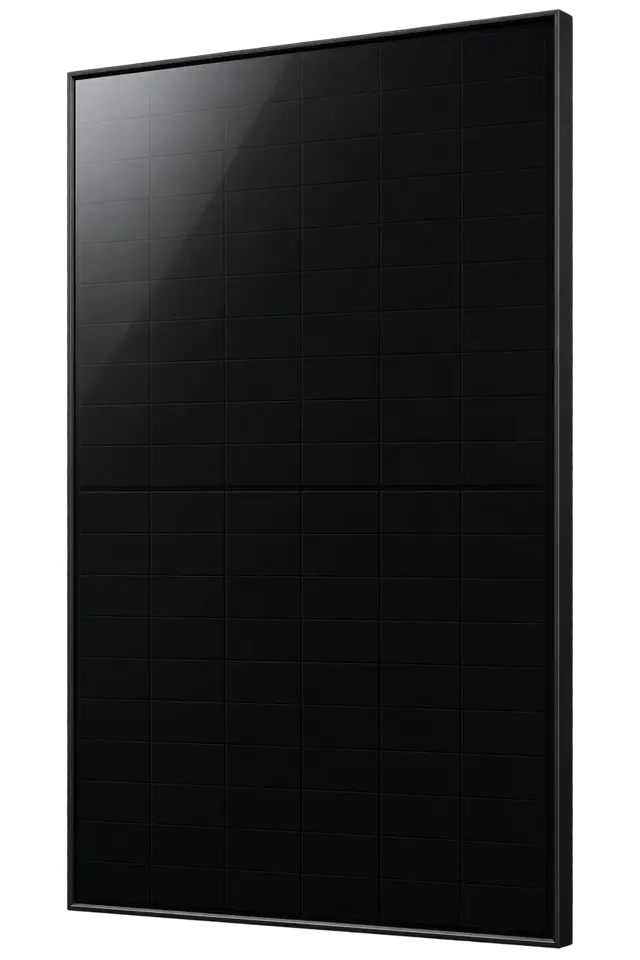
All-black aesthetic version for premium villas, 445–465 W, 22.5 % efficiency.
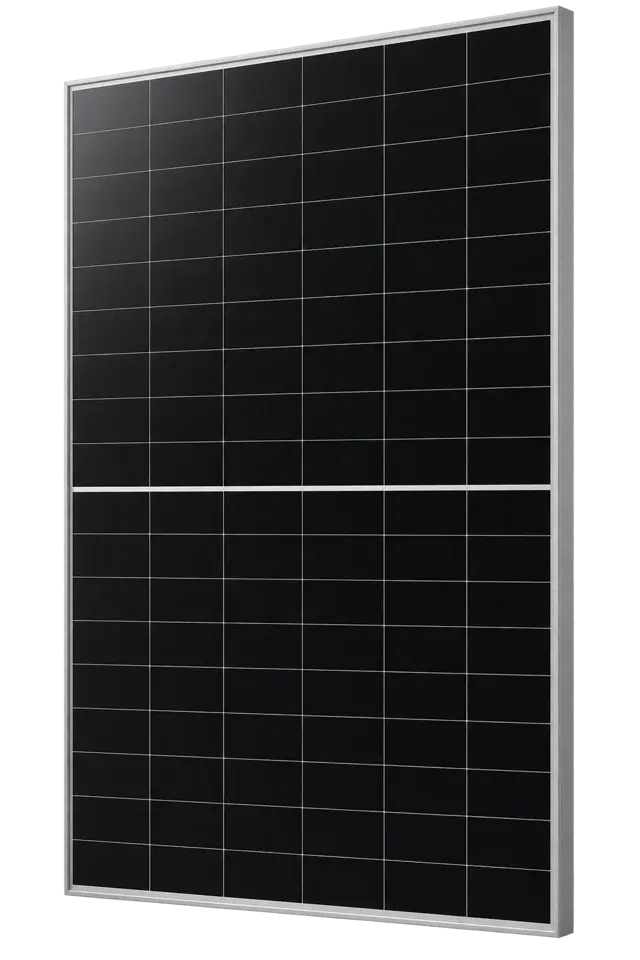
Residential HPBC 2.0 back-contact module, 54-cell format, around 480 W with strong partial-shade behaviour.
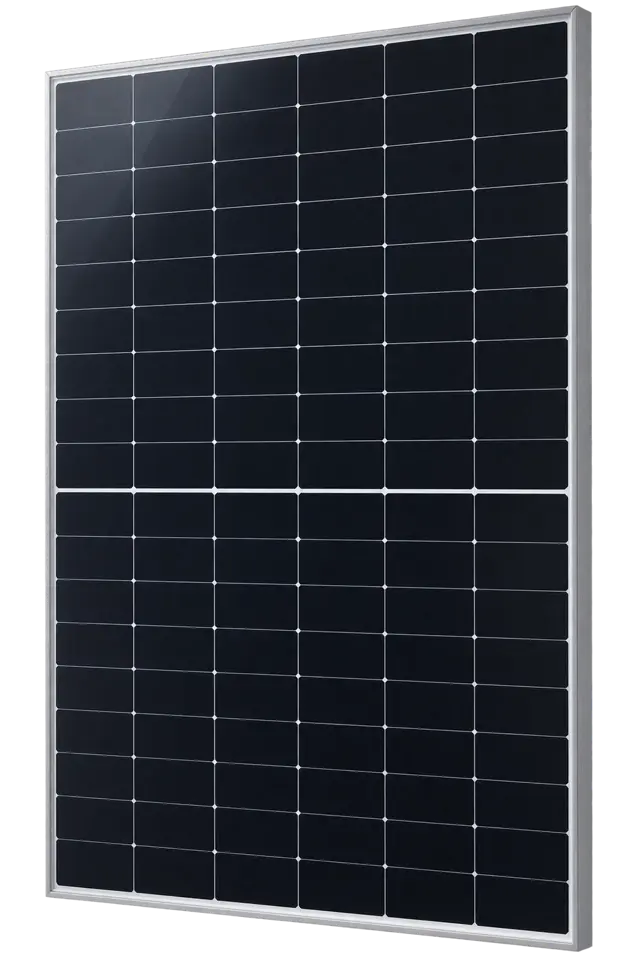
Rooftop HPBC back-contact module on 182 mm wafers, 415–435 W, around 22 % efficiency.
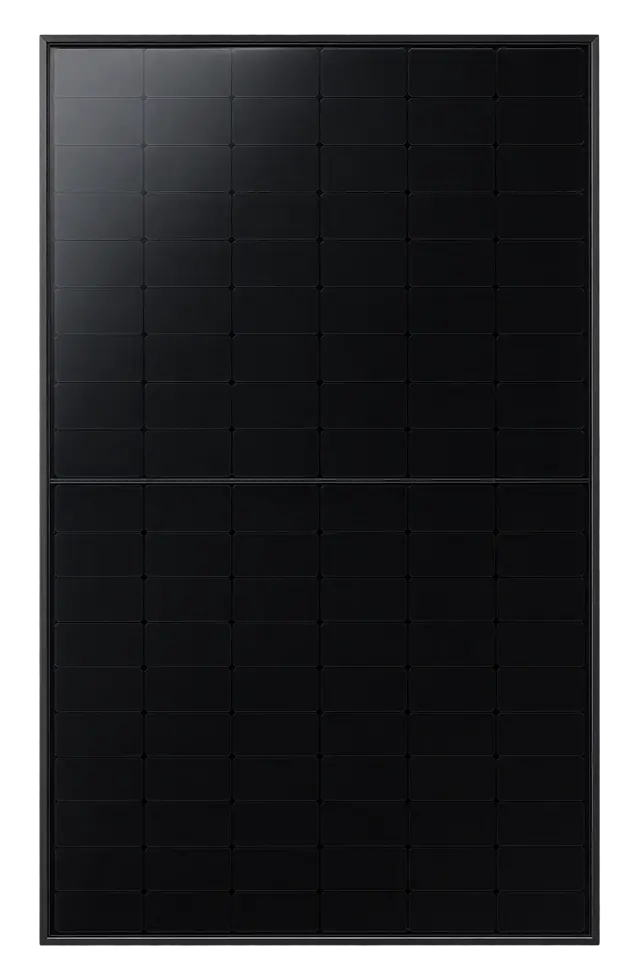
All-black residential back-contact module with black frame and backsheet, around 420 W.
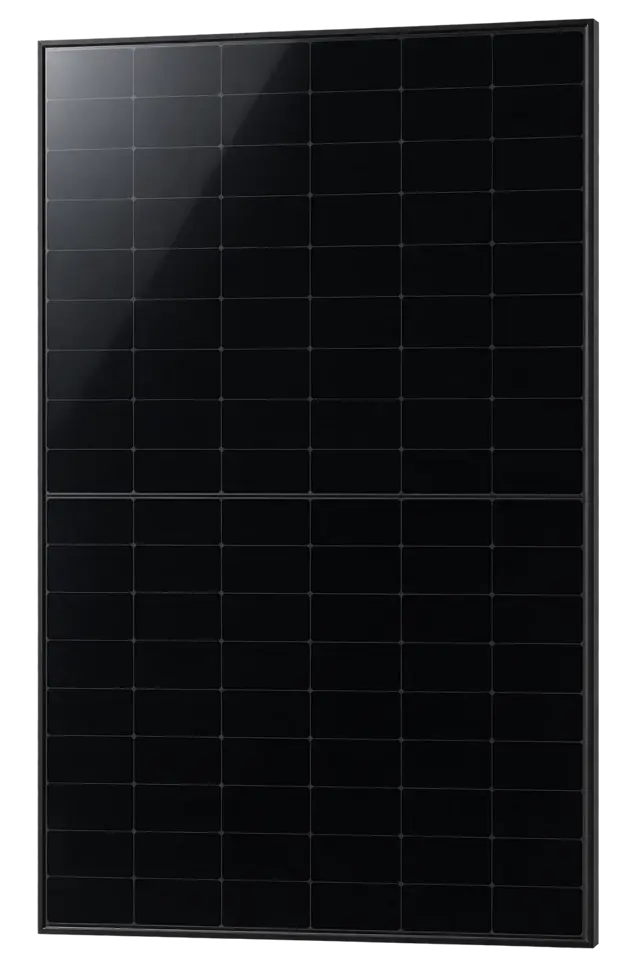
Premium all-black HPBC 2.0 rooftop module with extended warranty, around 450 W and 23 % efficiency.
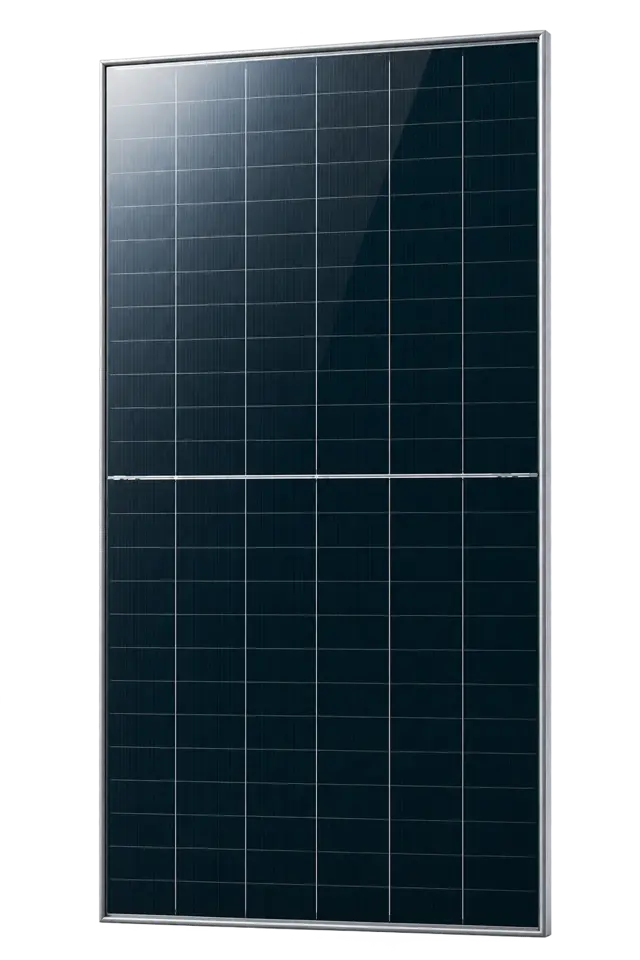
N-type TOPCon bifacial dual-glass module, 695–720 W, 23.2 % efficiency. Our utility-scale reference product.
