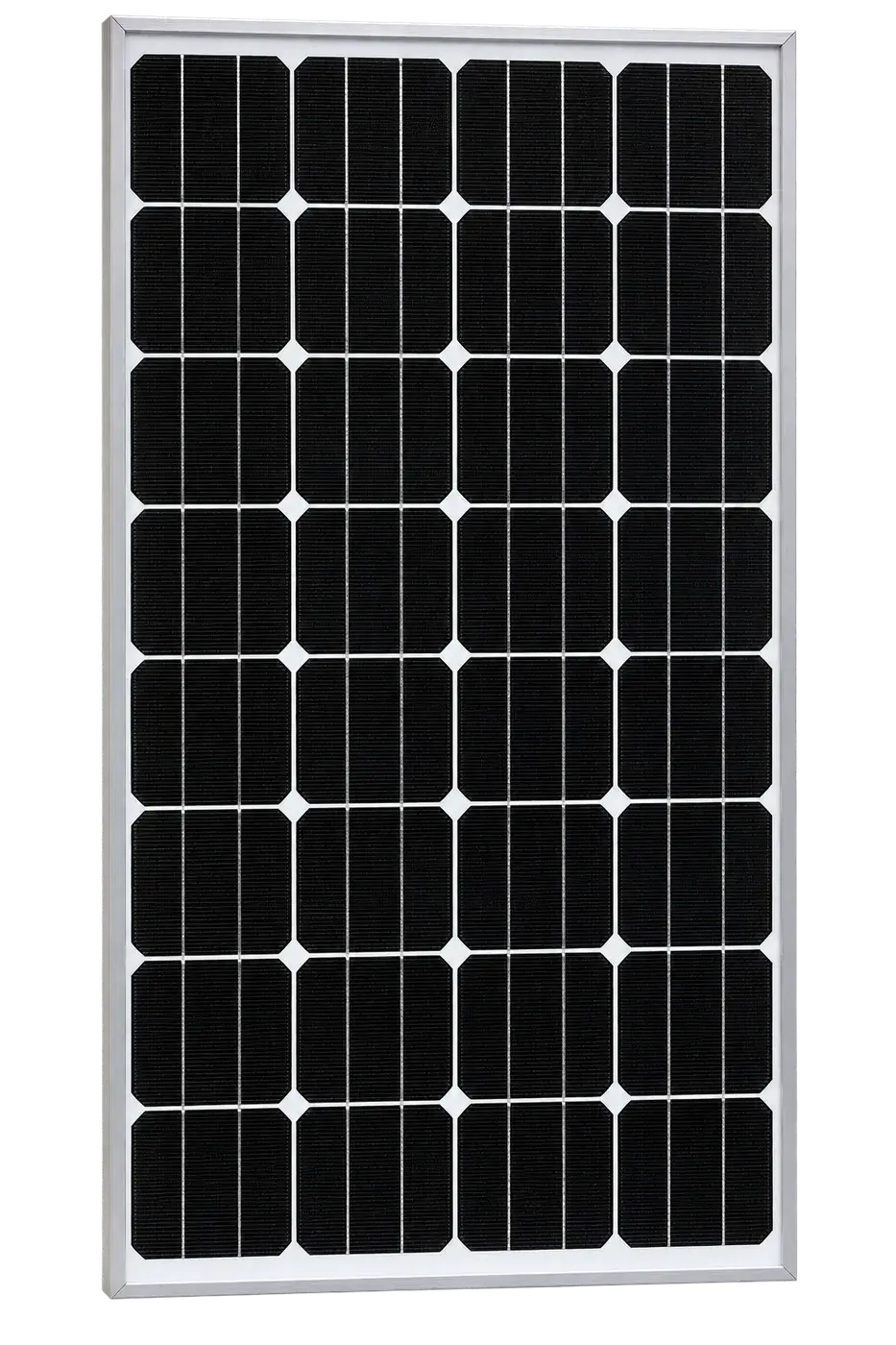
The 150 W size fills the gap between the 100 W panel and full-size modules. Around 7.9 A at 18.9 V means one panel keeps a 12 V system nominal while delivering 650–800 Wh a day in the Gulf — typical for a split-type solar street light with a 30–40 W LED, or a boat with refrigeration and navigation electronics. Its footprint (about 1.2 × 0.67 m) still fits most pole brackets and hardtops.
Pair it with a 15–20 A MPPT controller if the battery sits more than a few metres away; with a PWM controller, the battery voltage pulls the panel down to about 13–14 V and wastes 20–25 % of the available power. For coastal and marine sites, specify stainless fixings and check the frame's anodising thickness (≥15 µm).
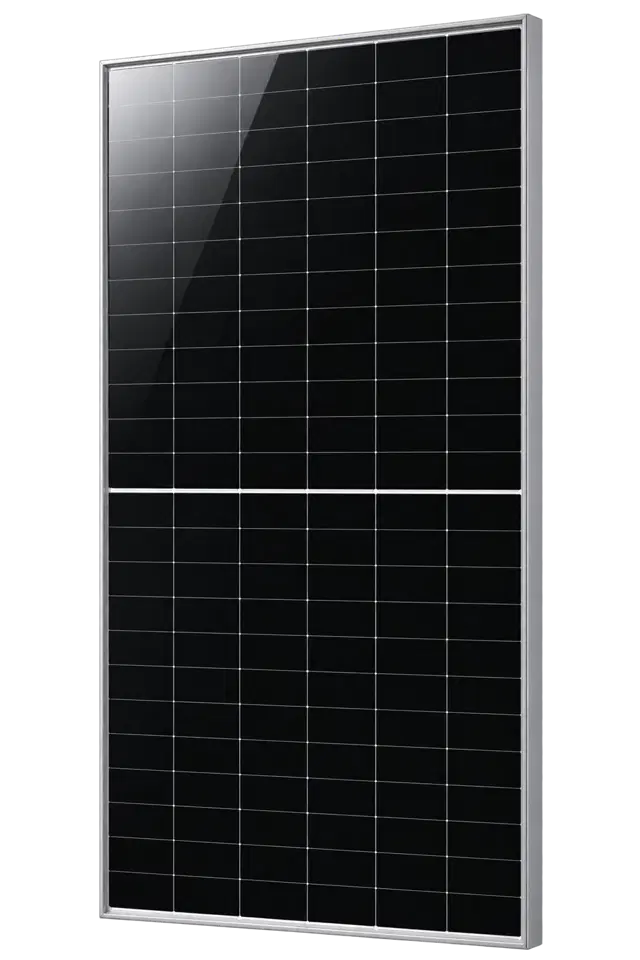
Utility-scale back-contact (HPBC 2.0) bifacial module, 640–670 W class, up to 24.8 % efficiency.
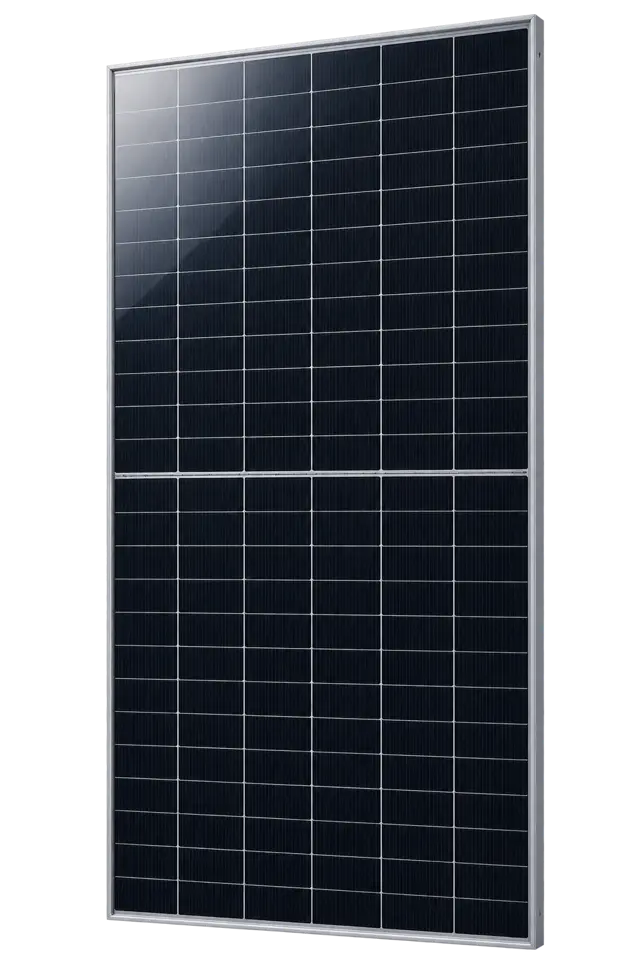
Bifacial dual-glass N-type HPDC module for ground-mount plants, 600–625 W, 23.0 % efficiency.
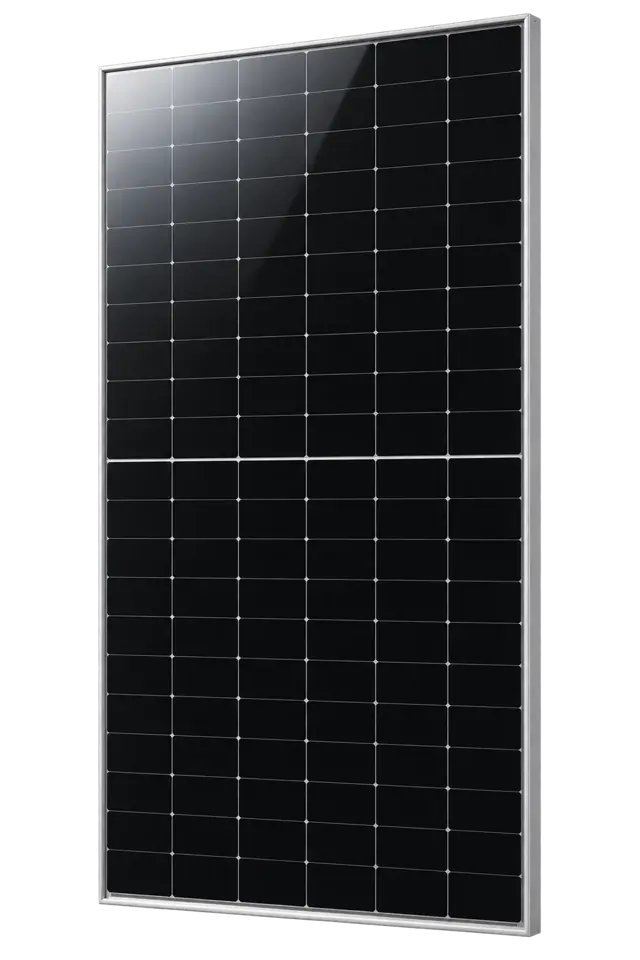
Monofacial HPBC module for commercial & industrial rooftops, 570–595 W, 22.8 % efficiency.
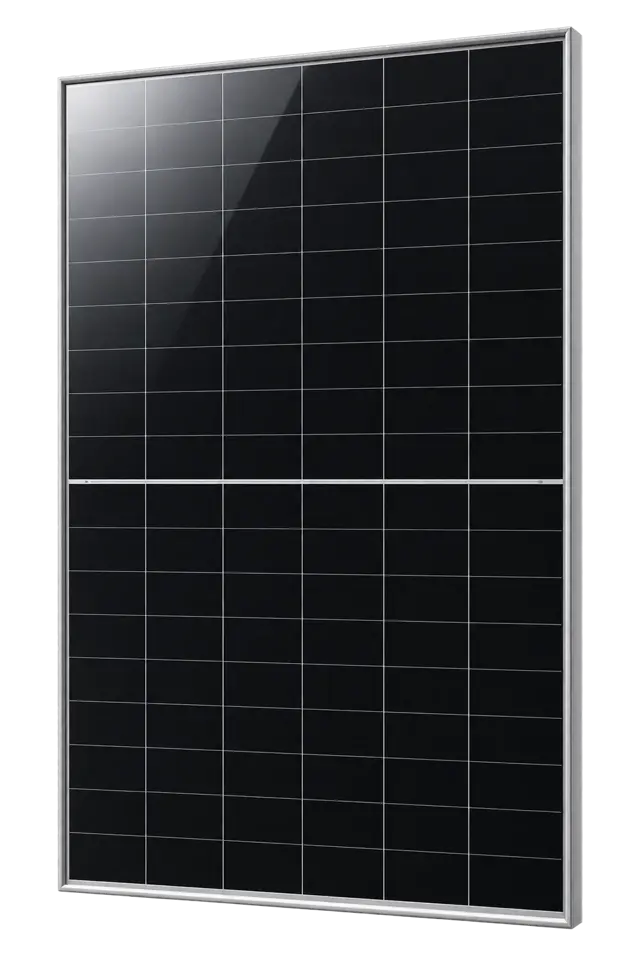
Residential back-contact rooftop module, 455–485 W, 23.3 % efficiency with anti-shading design.
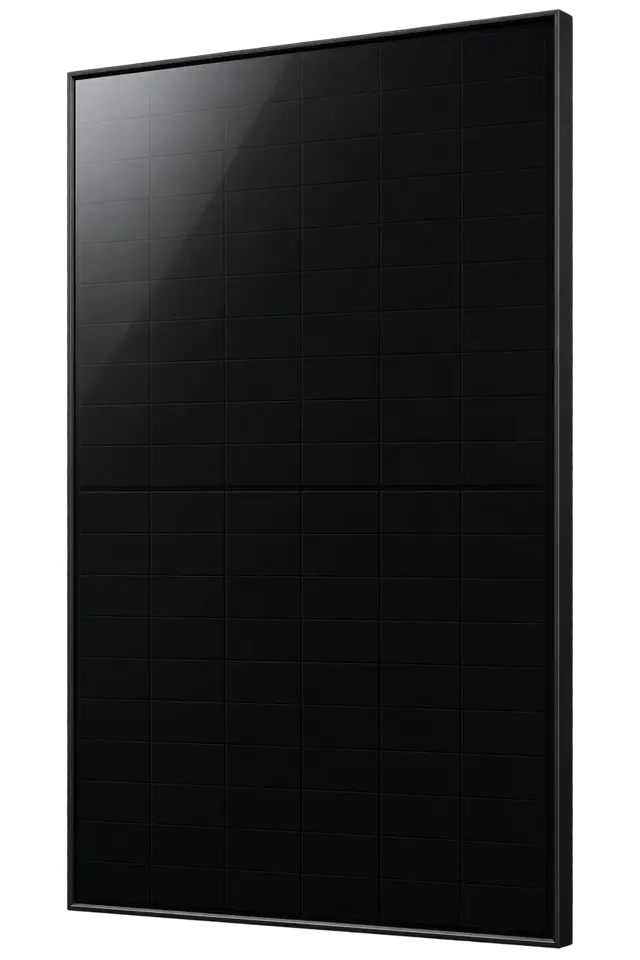
All-black aesthetic version for premium villas, 445–465 W, 22.5 % efficiency.
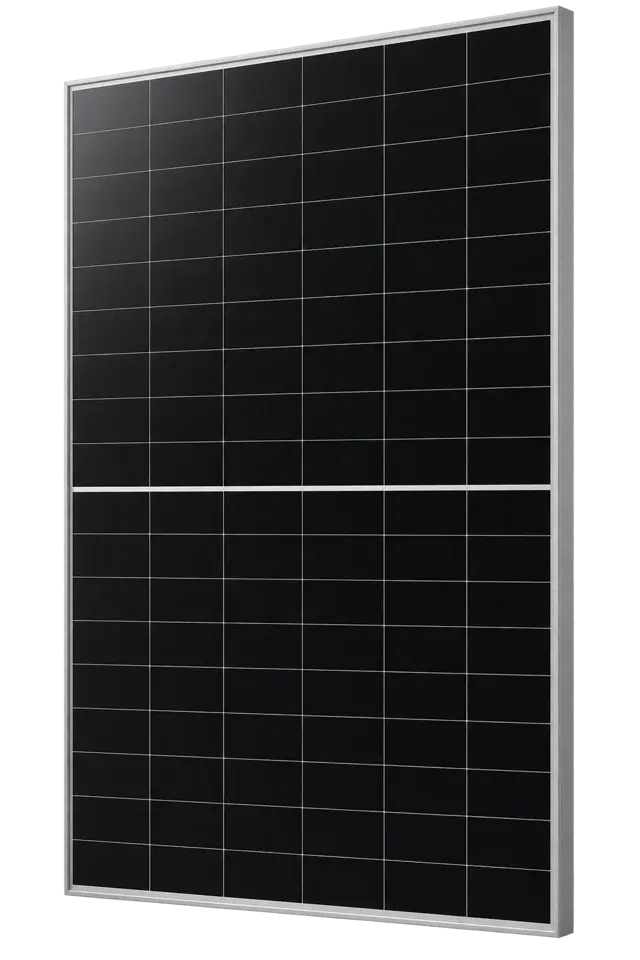
Residential HPBC 2.0 back-contact module, 54-cell format, around 480 W with strong partial-shade behaviour.
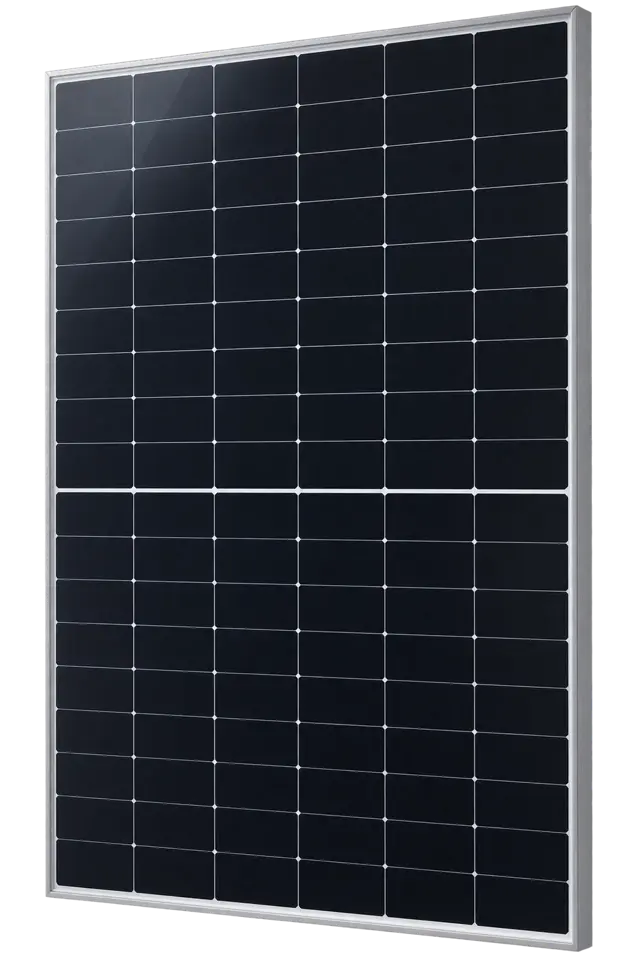
Rooftop HPBC back-contact module on 182 mm wafers, 415–435 W, around 22 % efficiency.
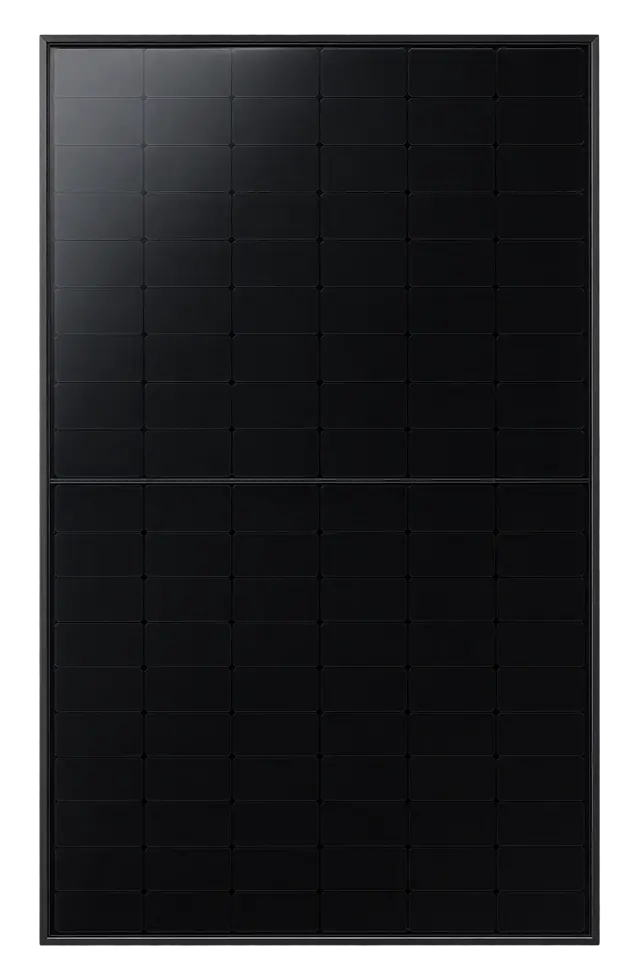
All-black residential back-contact module with black frame and backsheet, around 420 W.
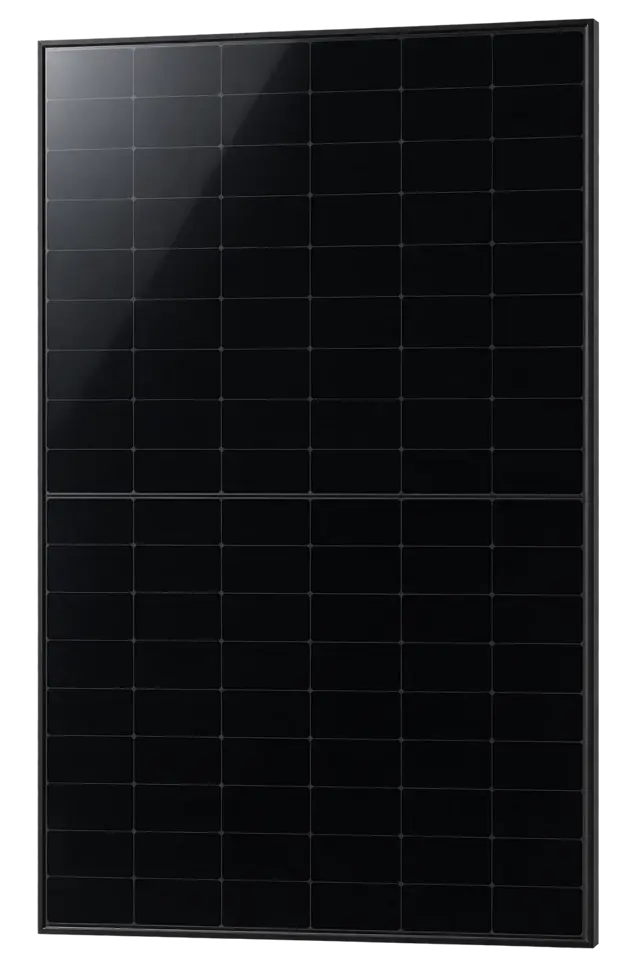
Premium all-black HPBC 2.0 rooftop module with extended warranty, around 450 W and 23 % efficiency.
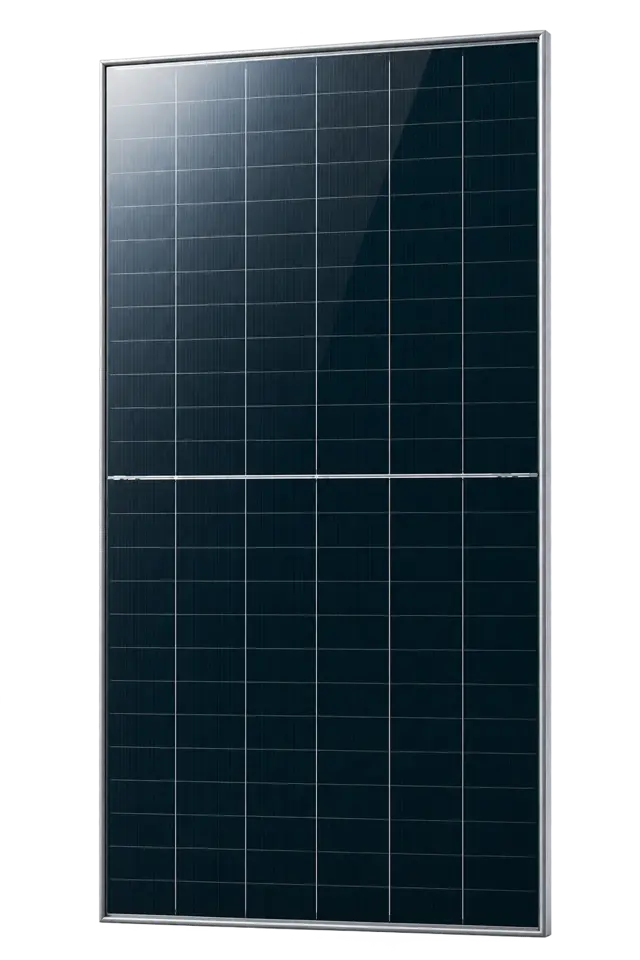
N-type TOPCon bifacial dual-glass module, 695–720 W, 23.2 % efficiency. Our utility-scale reference product.
