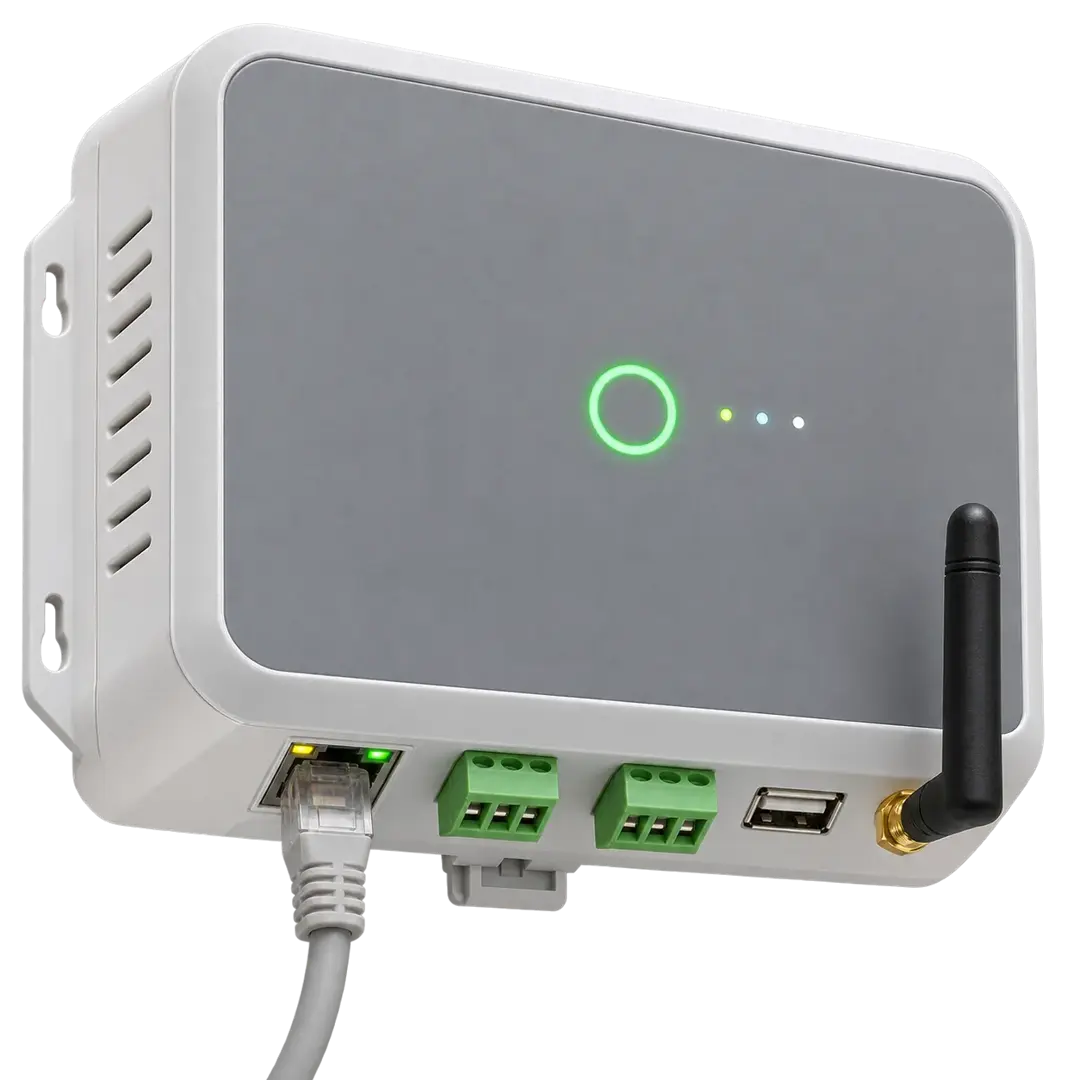
A hybrid inverter already decides when to charge and discharge its own battery, but it does not know when the car is plugged in, when the water heater could run on surplus, or what tomorrow's weather and tariff look like. An EMS sits above all devices: it reads the grid meter every second, forecasts PV production from weather data, learns the household load profile and then schedules flexible loads — EV charging, heat pump or electric water heater, pool pump — into hours of solar surplus or cheap tariff.
The gateway connects over Modbus TCP/RTU, SunSpec, OCPP for chargers, EEBus or relay outputs for heat pumps, and Wi-Fi/Ethernet to a cloud app. Typical results are a self-consumption increase of 10–25 percentage points and lower peak demand, which matters where time-of-use or demand charges apply. It can also enforce an export limit or a main-fuse limit so that EV charging never trips the incoming breaker. Check device compatibility lists before purchase; open protocols protect you from lock-in when one component is replaced.
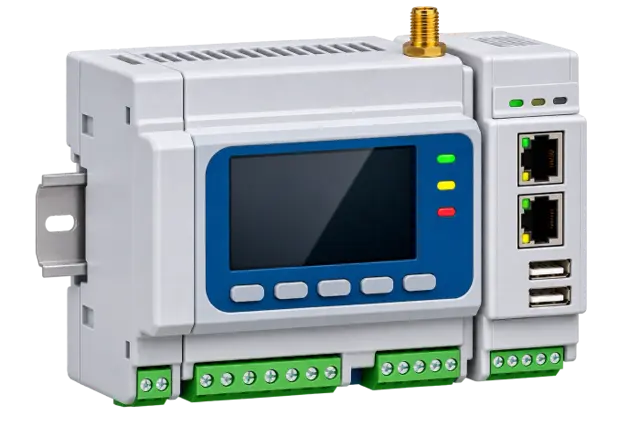
Central communication gateway that collects data from inverters, meters and sensors and sends it to the cloud or SCADA.

Plug-in communication stick that connects a single residential or small commercial inverter to the manufacturer's app.
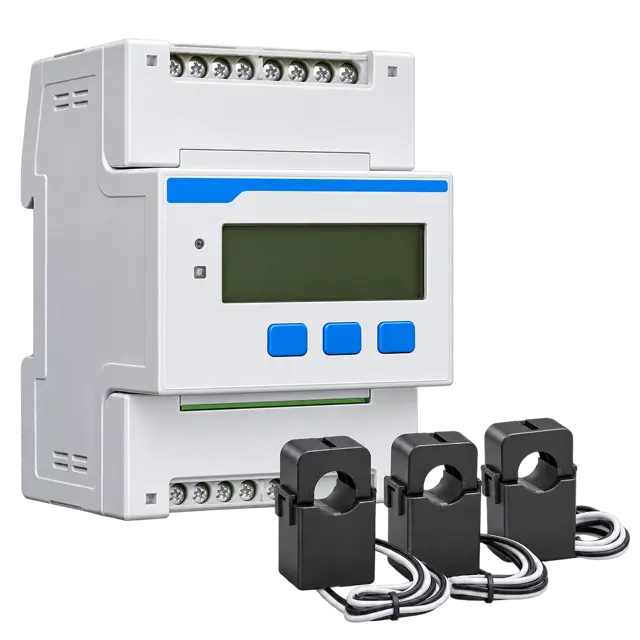
Bidirectional DIN-rail meter measuring grid import/export, required for zero-export control, self-consumption and battery management.
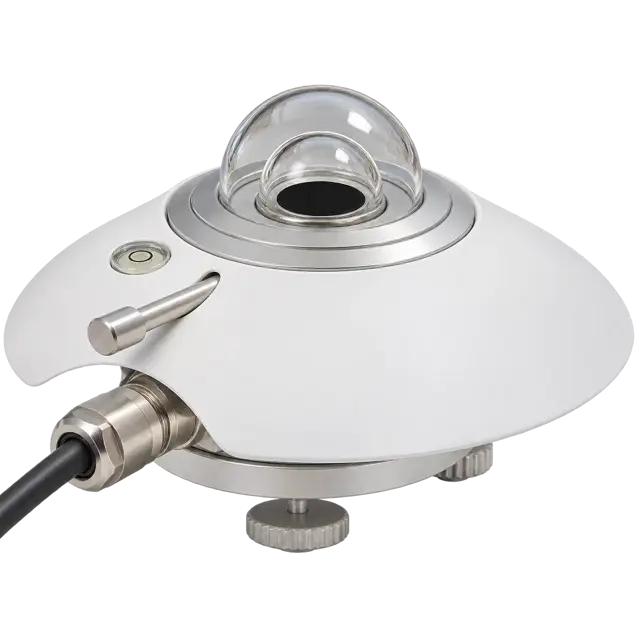
Thermopile sensor measuring global irradiance (W/m²); the reference for performance-ratio (PR) calculation on bankable plants.
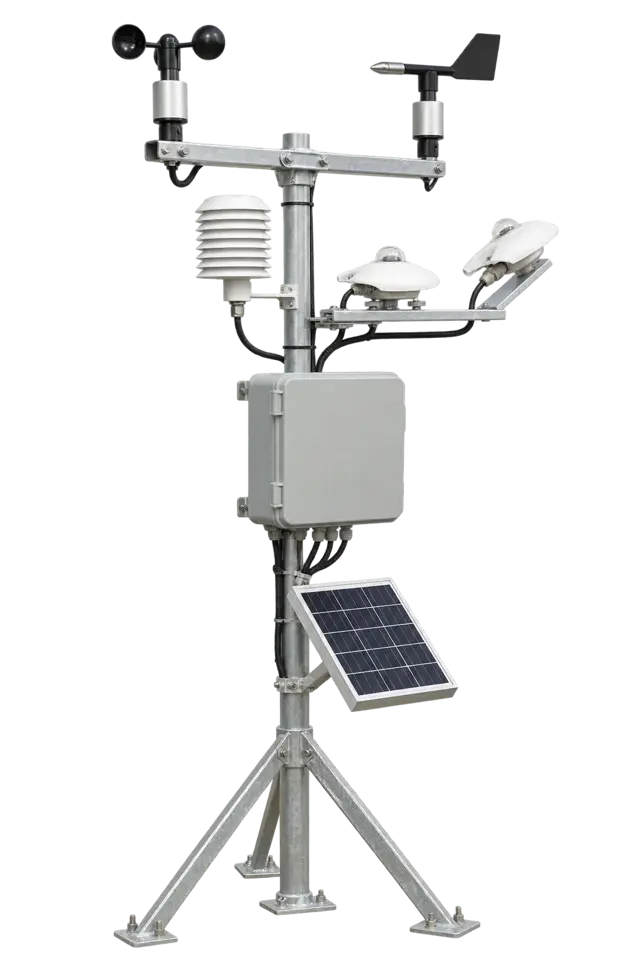
Complete meteorological mast: POA and GHI irradiance, module and ambient temperature, wind, humidity, rain and soiling.
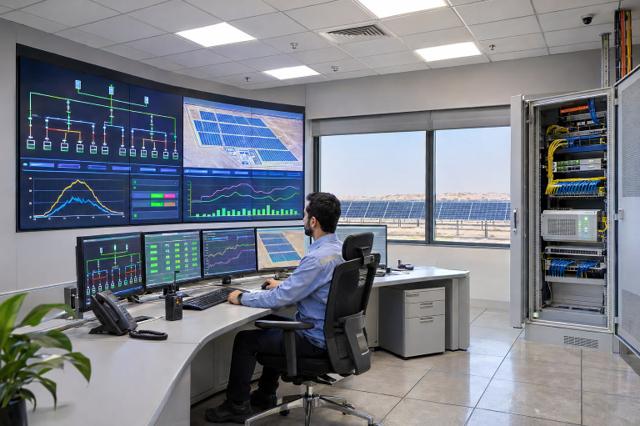
Plant-level supervisory control and grid-code compliance: active/reactive power, voltage and frequency response, alarms and reporting.
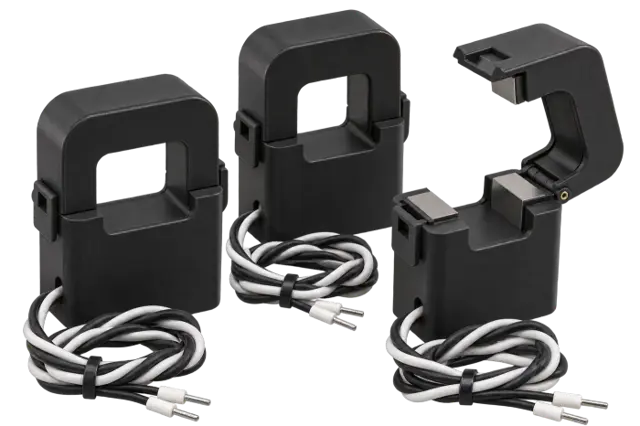
Clip-on current transformers for energy meters, export limiters and monitoring — installed around live cables without disconnecting them.
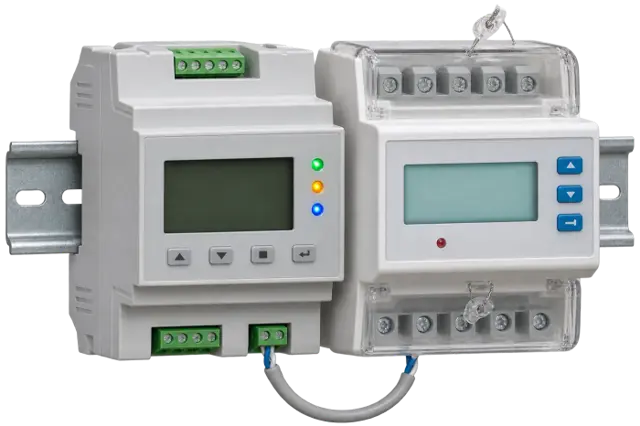
Measures power at the grid connection and curtails inverters in real time so the site never exports more than the utility allows — zero or a set limit.
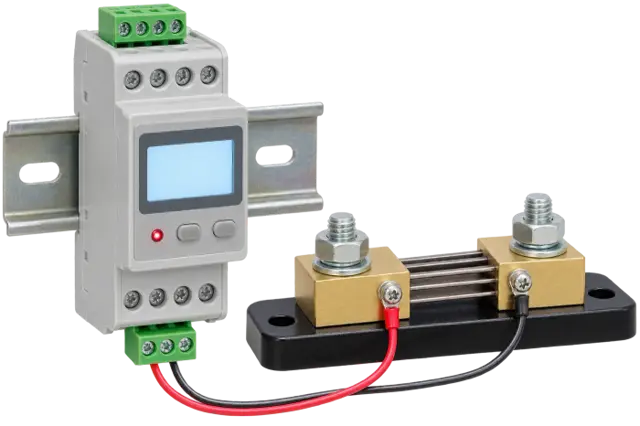
Measures voltage, current, power and kWh on PV strings, battery banks or DC loads; RS485 Modbus output for logging.
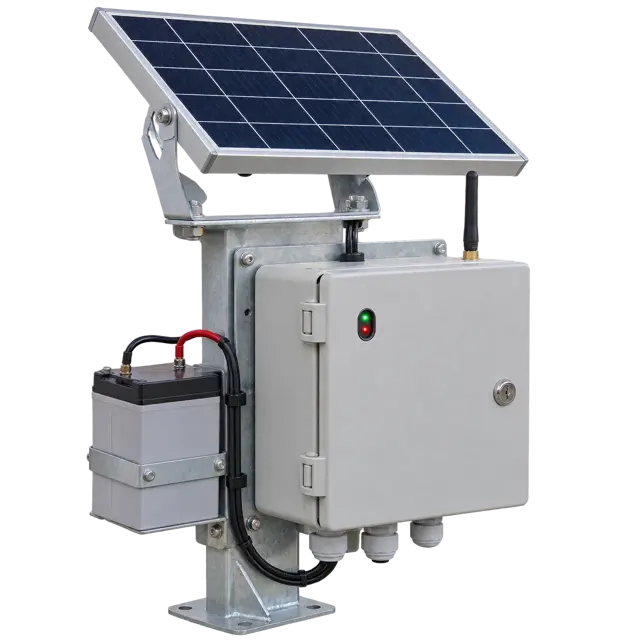
Row-mounted controller that drives a tracker motor using a solar-position algorithm, backtracking and automatic wind and flood stow.
