
For homes and small sites a full data logger is unnecessary: a dongle plugged into the inverter's COM port uploads production, consumption (when a meter is fitted) and fault codes every few minutes over the home Wi-Fi or a 4G SIM. The owner sees live output on a phone app and the installer can diagnose remotely. Use the 4G version where Wi-Fi coverage at the inverter location is weak, which is common when inverters are mounted on roofs or in plant rooms.
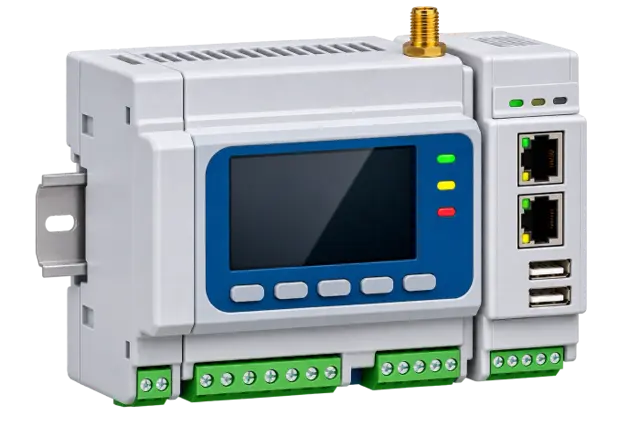
Central communication gateway that collects data from inverters, meters and sensors and sends it to the cloud or SCADA.
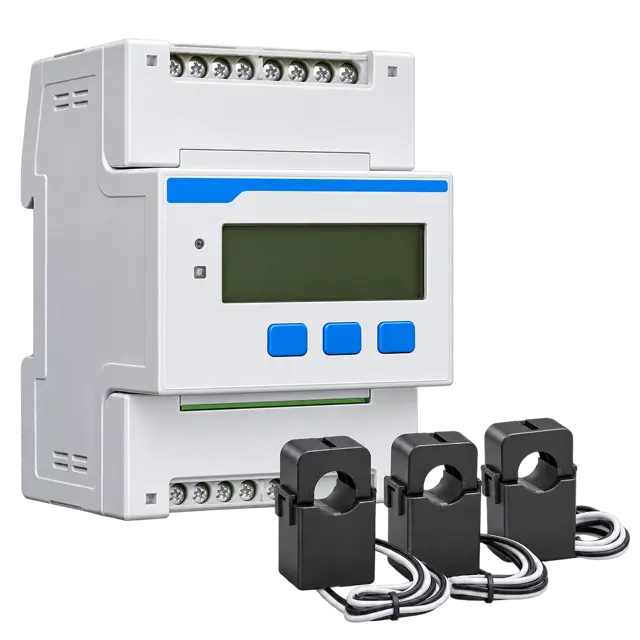
Bidirectional DIN-rail meter measuring grid import/export, required for zero-export control, self-consumption and battery management.
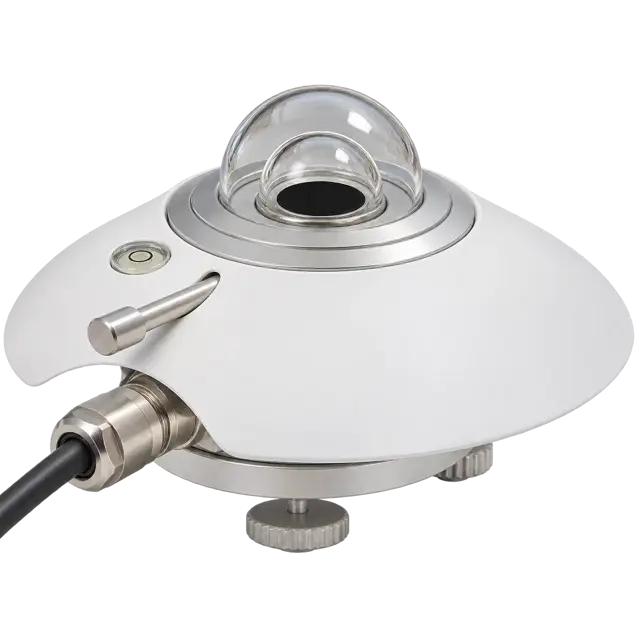
Thermopile sensor measuring global irradiance (W/m²); the reference for performance-ratio (PR) calculation on bankable plants.
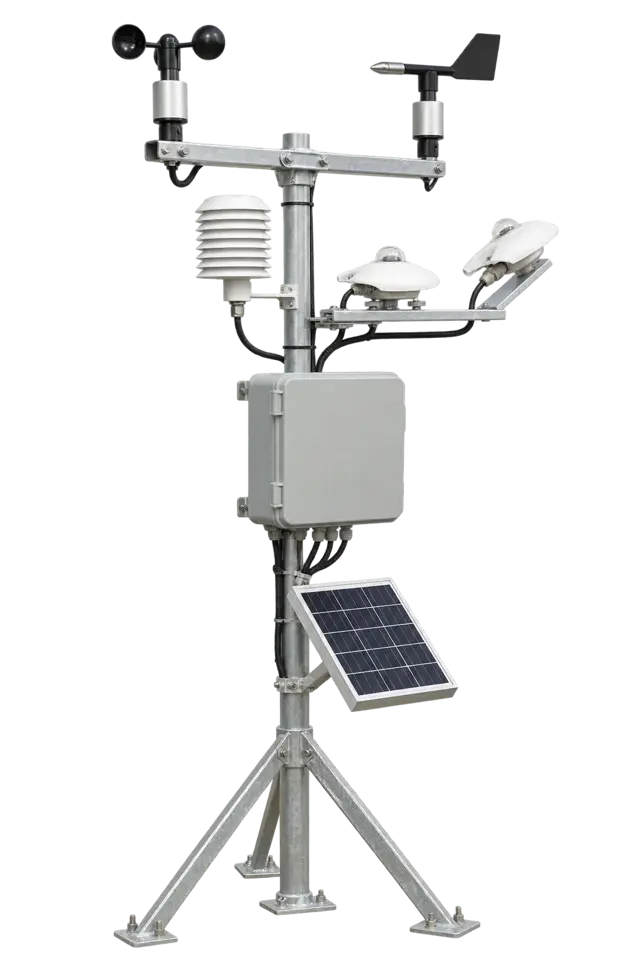
Complete meteorological mast: POA and GHI irradiance, module and ambient temperature, wind, humidity, rain and soiling.
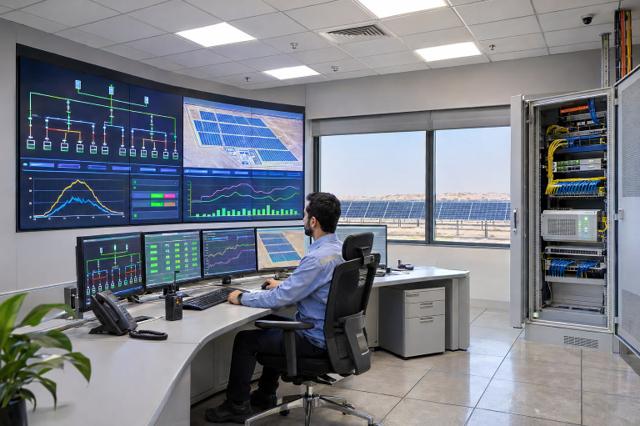
Plant-level supervisory control and grid-code compliance: active/reactive power, voltage and frequency response, alarms and reporting.
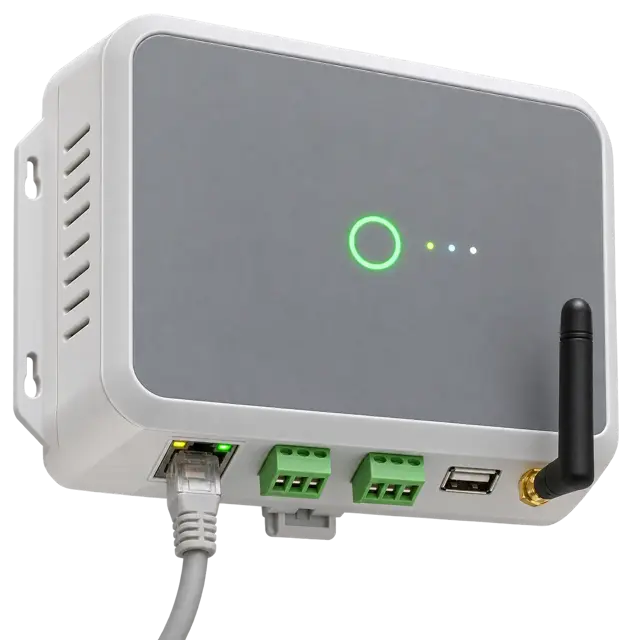
Small controller that coordinates PV, battery, EV charger, heat pump and big loads to use more of your own solar power and avoid peak tariffs.
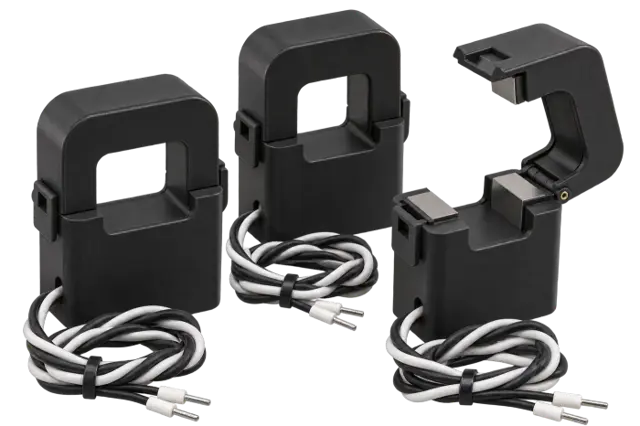
Clip-on current transformers for energy meters, export limiters and monitoring — installed around live cables without disconnecting them.
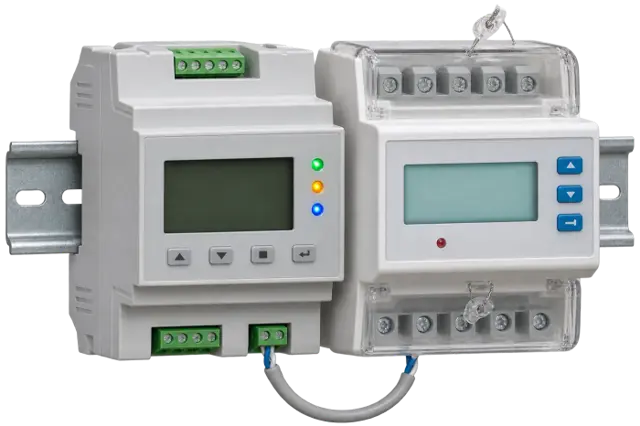
Measures power at the grid connection and curtails inverters in real time so the site never exports more than the utility allows — zero or a set limit.
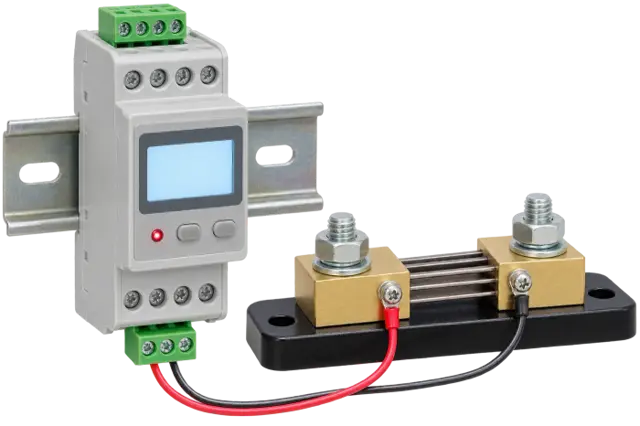
Measures voltage, current, power and kWh on PV strings, battery banks or DC loads; RS485 Modbus output for logging.
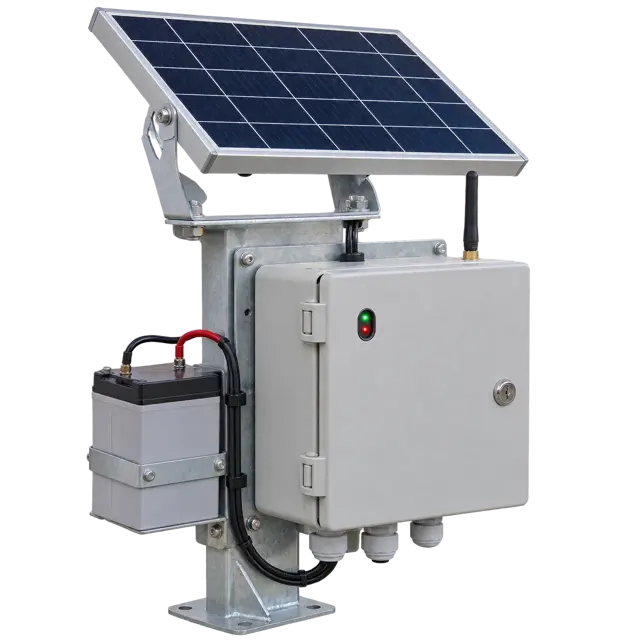
Row-mounted controller that drives a tracker motor using a solar-position algorithm, backtracking and automatic wind and flood stow.
