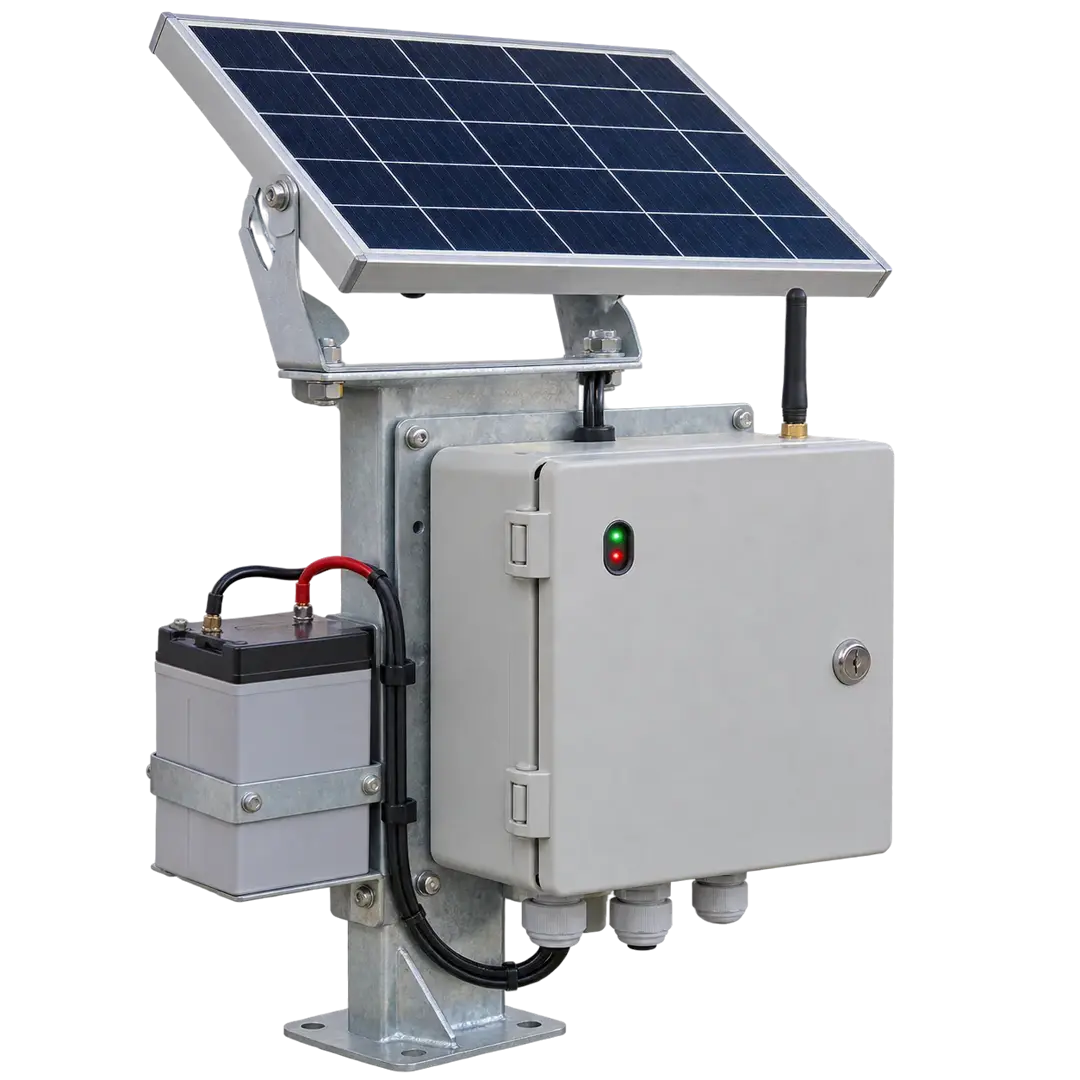
Each single-axis tracker row has a small tracker control unit (TCU) mounted on the torque tube or a pile. It calculates the sun's position from GPS time and coordinates with an astronomical algorithm and turns the row through a slew drive or linear actuator, typically within ±55–60°. An inclinometer confirms the actual angle to about ±0.1°. In the morning and evening it backtracks — flattening the rows so they do not shade one another — which avoids large mismatch losses on high-current bifacial strings.
TCUs are self-powered by a small dedicated PV panel and battery, or string-powered from the main array, and communicate with a network controller over Zigbee, LoRa or RS485. The network controller reads site anemometers and sends all rows to stow — a safe angle, often near flat or a design-specific angle — when wind exceeds roughly 15–20 m/s, and can also command flood, snow or cleaning positions. Advanced versions use terrain-aware backtracking and diffuse-light optimisation that move rows flatter on cloudy days. Keep TCU firmware updated and check battery health yearly; a row stuck at an angle loses energy and may be unprotected during a storm.
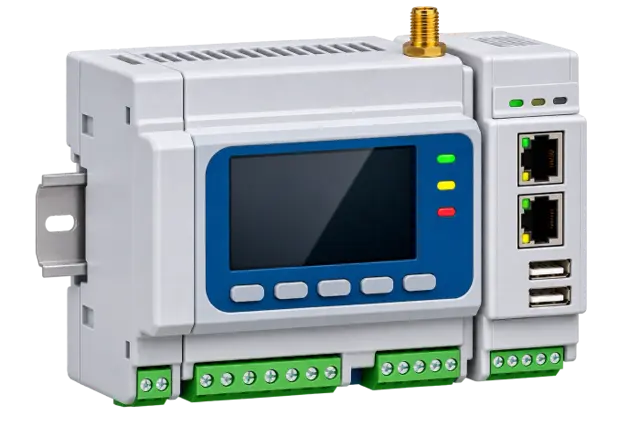
Central communication gateway that collects data from inverters, meters and sensors and sends it to the cloud or SCADA.

Plug-in communication stick that connects a single residential or small commercial inverter to the manufacturer's app.
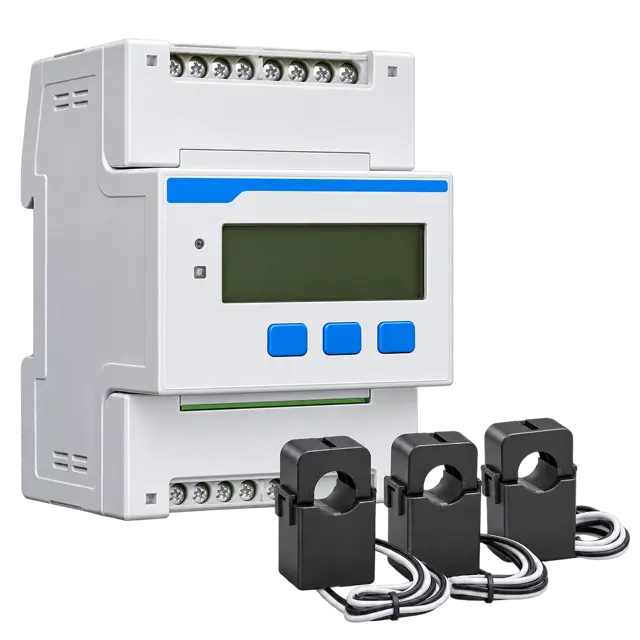
Bidirectional DIN-rail meter measuring grid import/export, required for zero-export control, self-consumption and battery management.
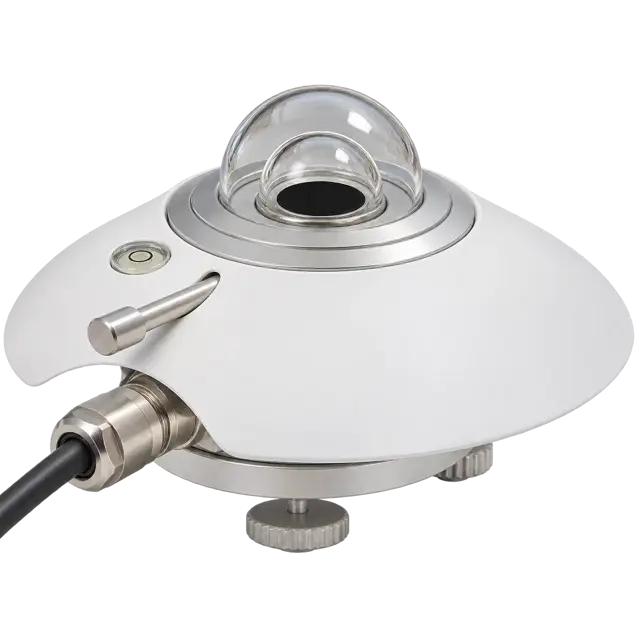
Thermopile sensor measuring global irradiance (W/m²); the reference for performance-ratio (PR) calculation on bankable plants.
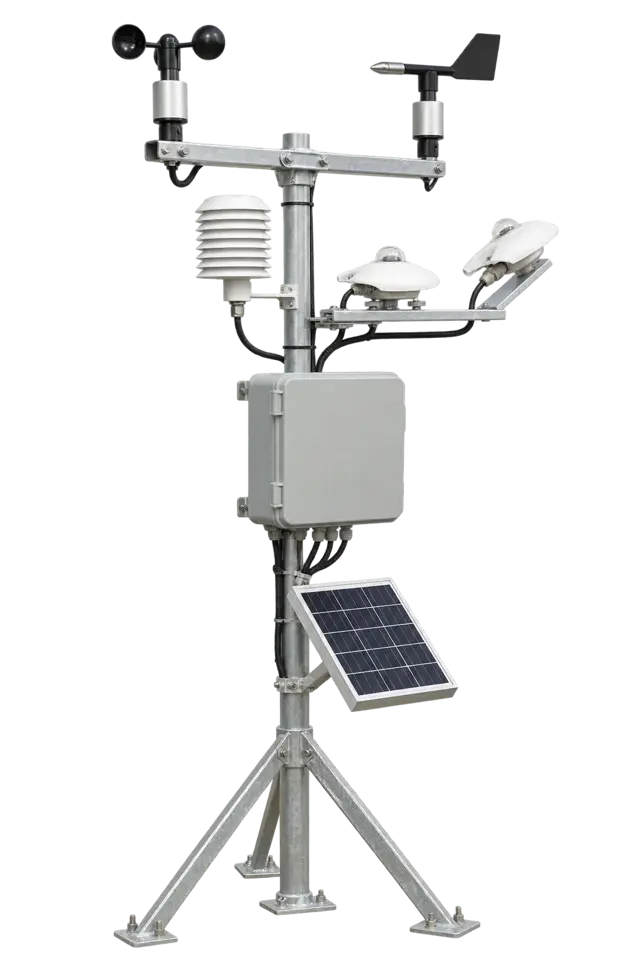
Complete meteorological mast: POA and GHI irradiance, module and ambient temperature, wind, humidity, rain and soiling.
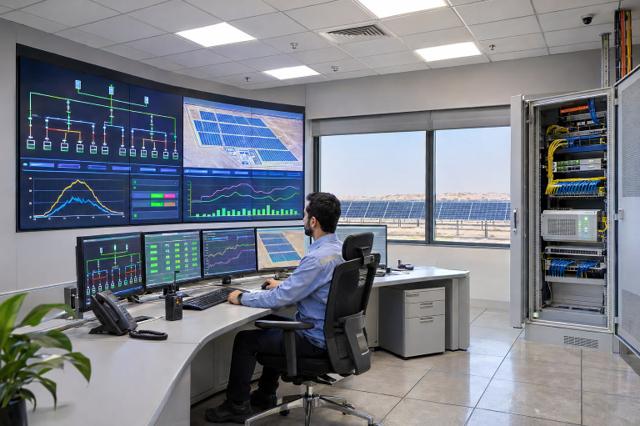
Plant-level supervisory control and grid-code compliance: active/reactive power, voltage and frequency response, alarms and reporting.
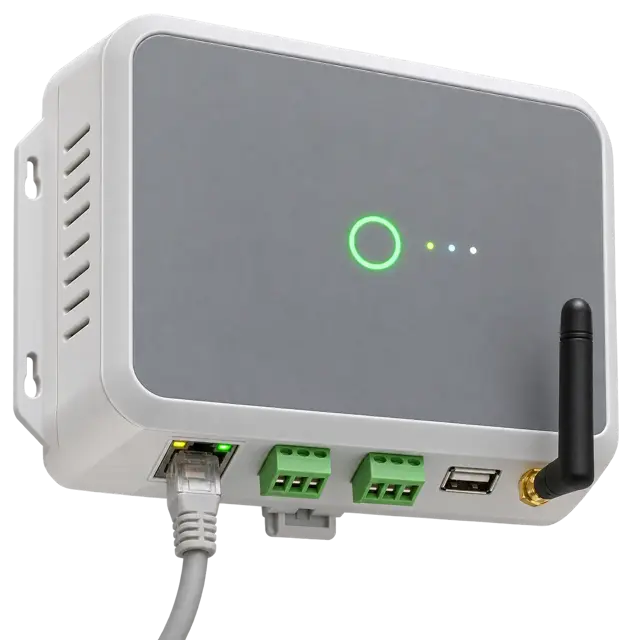
Small controller that coordinates PV, battery, EV charger, heat pump and big loads to use more of your own solar power and avoid peak tariffs.
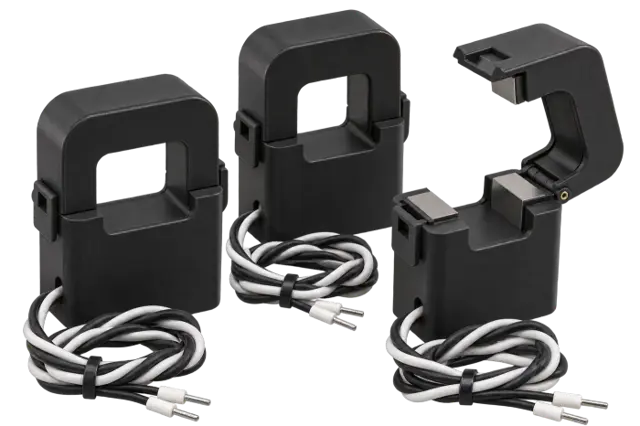
Clip-on current transformers for energy meters, export limiters and monitoring — installed around live cables without disconnecting them.
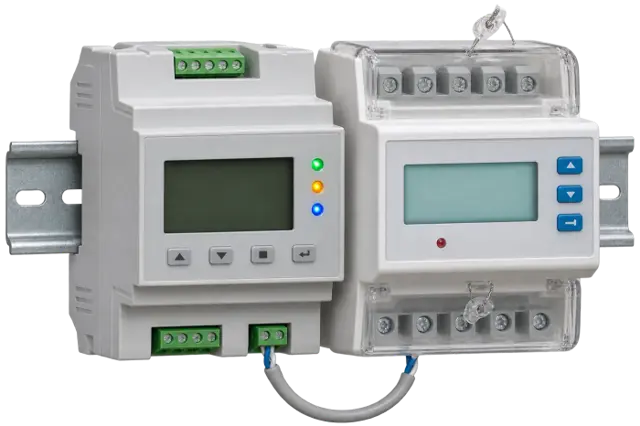
Measures power at the grid connection and curtails inverters in real time so the site never exports more than the utility allows — zero or a set limit.
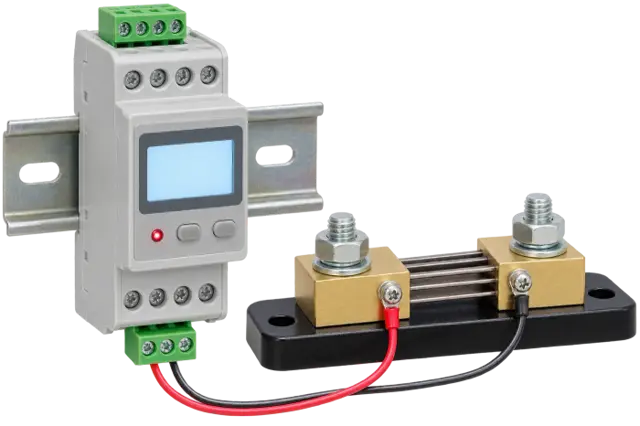
Measures voltage, current, power and kWh on PV strings, battery banks or DC loads; RS485 Modbus output for logging.
