
Flexible modules replace glass and frame with an ETFE front sheet and a thin polymer or fibreglass backing, so a 100 W panel weighs under 2 kg and can follow a gently curved roof. Back-contact (IBC) cells are preferred because they have no fragile front ribbons and tolerate flexing better, which also gives the panel its uniform dark look. Typical uses are caravan and campervan roofs, bimini tops, sailing yachts, tents and shade structures that cannot carry glass modules.
The trade-off is heat: glued flat to a roof with no air gap, cells run 10–20 °C hotter than a framed panel, which in the Gulf costs output and shortens life. Bond them with a flexible marine adhesive on spaced strips or use grommet mounting to keep some airflow, never bend beyond about 30° or flex repeatedly, and avoid walking on them. Expect 4–6 years of strong service in harsh sun versus 25 years for glass modules.
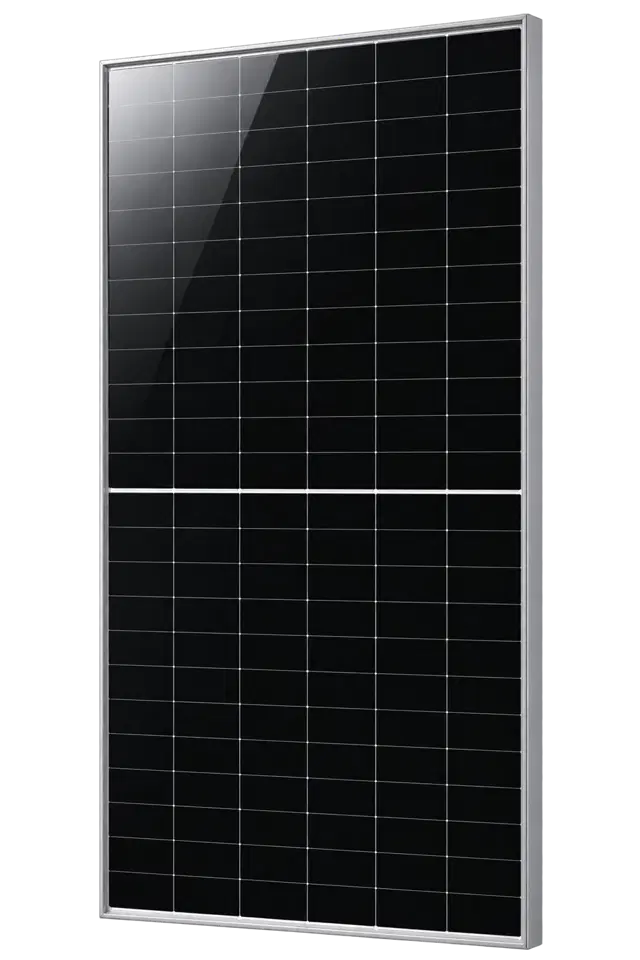
Utility-scale back-contact (HPBC 2.0) bifacial module, 640–670 W class, up to 24.8 % efficiency.
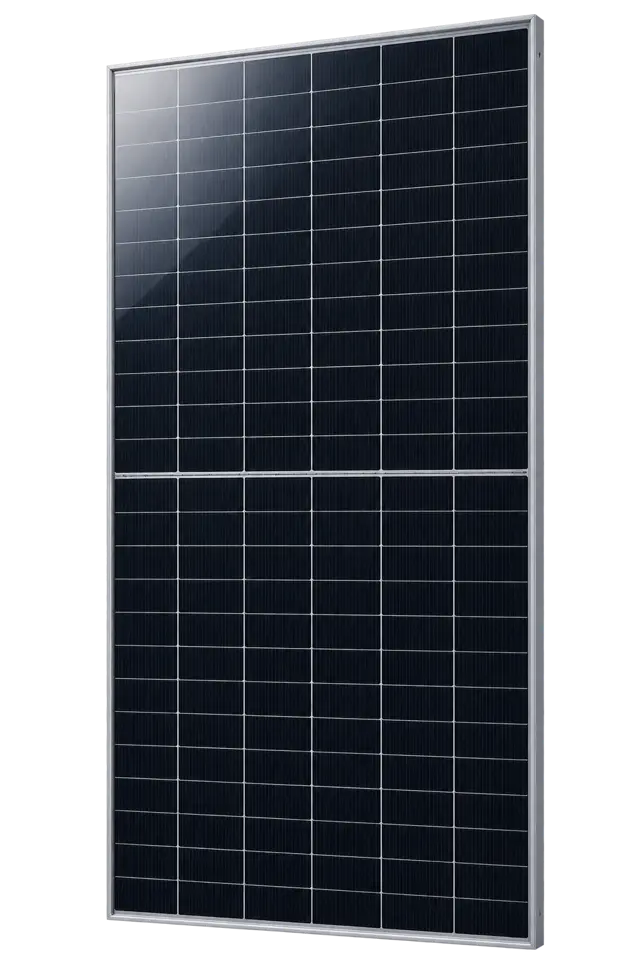
Bifacial dual-glass N-type HPDC module for ground-mount plants, 600–625 W, 23.0 % efficiency.
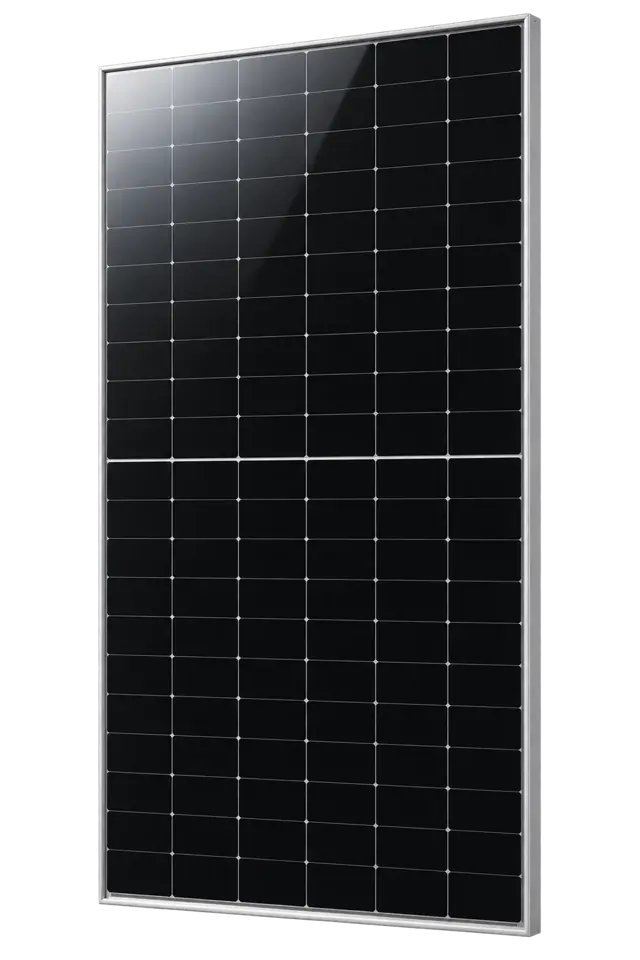
Monofacial HPBC module for commercial & industrial rooftops, 570–595 W, 22.8 % efficiency.
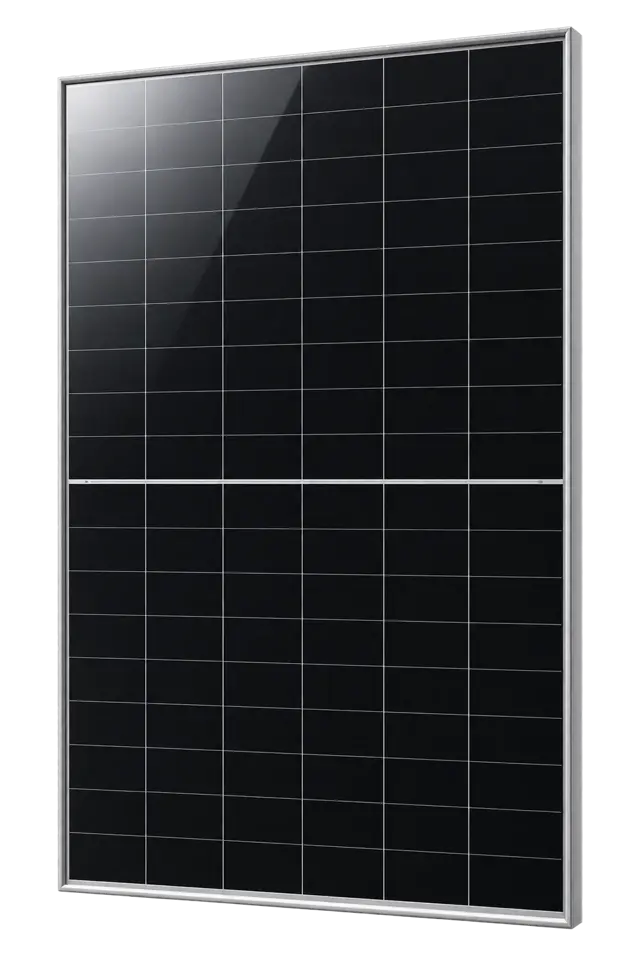
Residential back-contact rooftop module, 455–485 W, 23.3 % efficiency with anti-shading design.
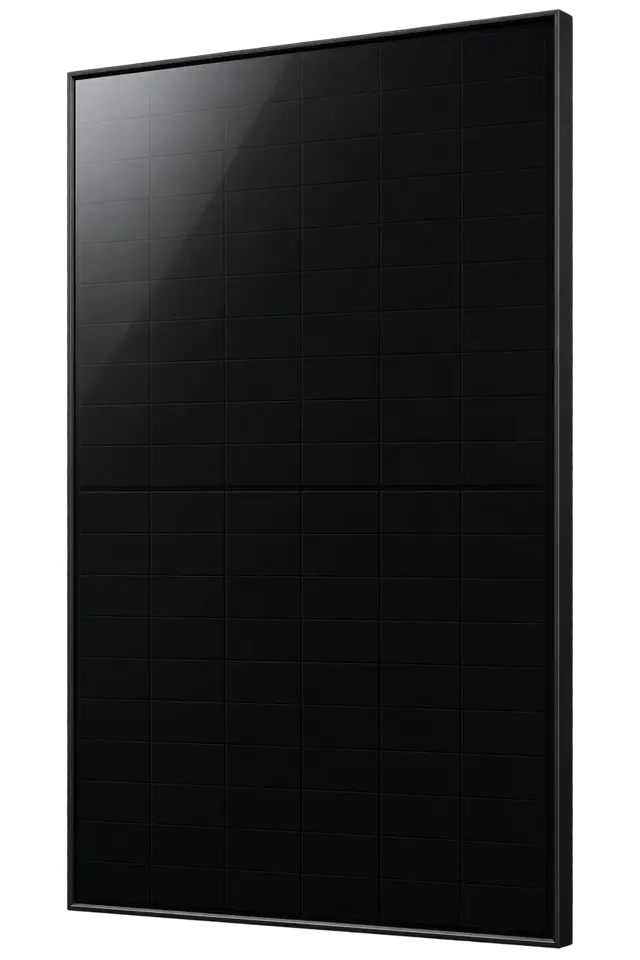
All-black aesthetic version for premium villas, 445–465 W, 22.5 % efficiency.
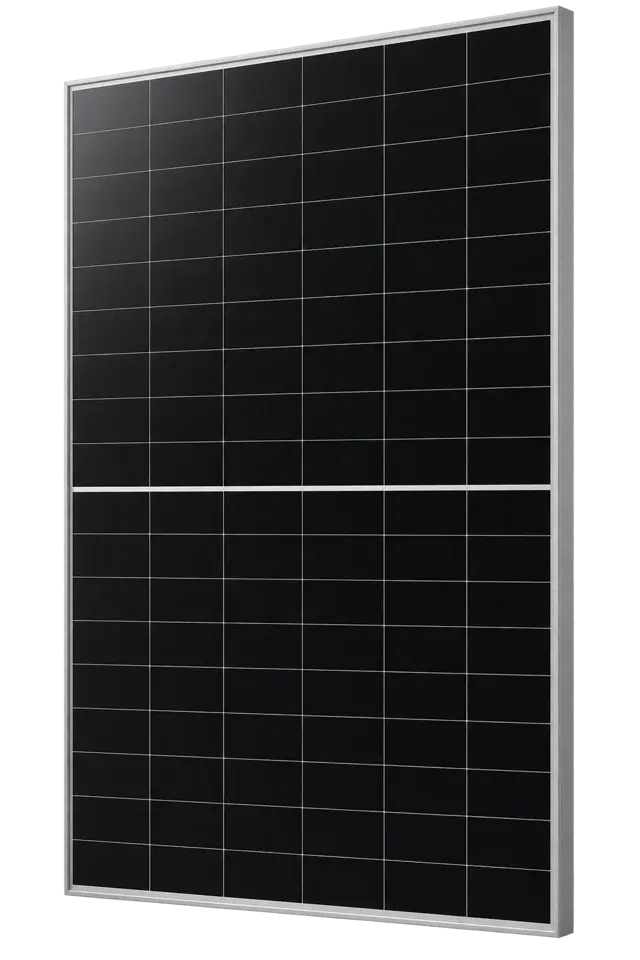
Residential HPBC 2.0 back-contact module, 54-cell format, around 480 W with strong partial-shade behaviour.
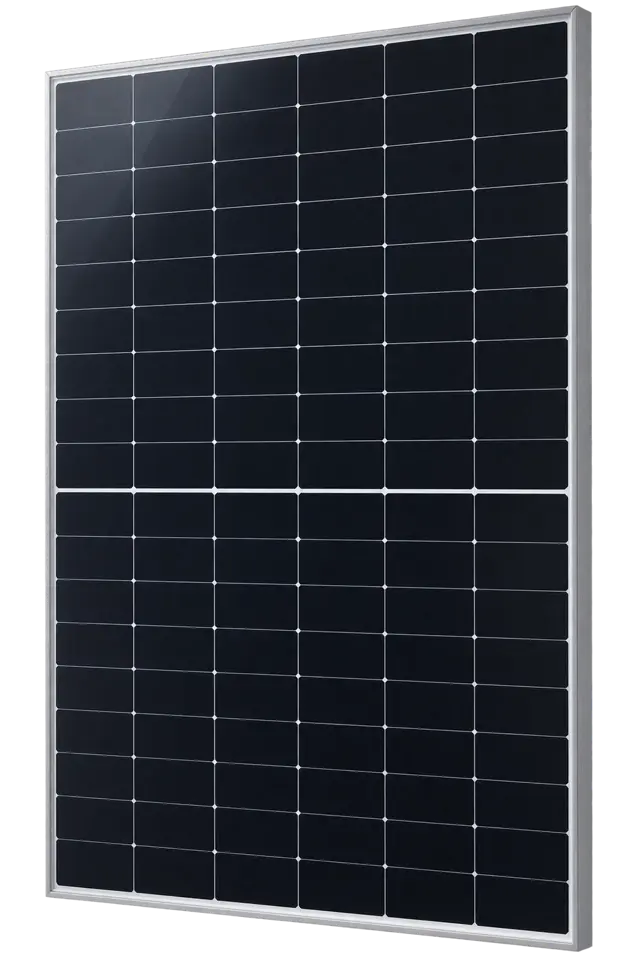
Rooftop HPBC back-contact module on 182 mm wafers, 415–435 W, around 22 % efficiency.
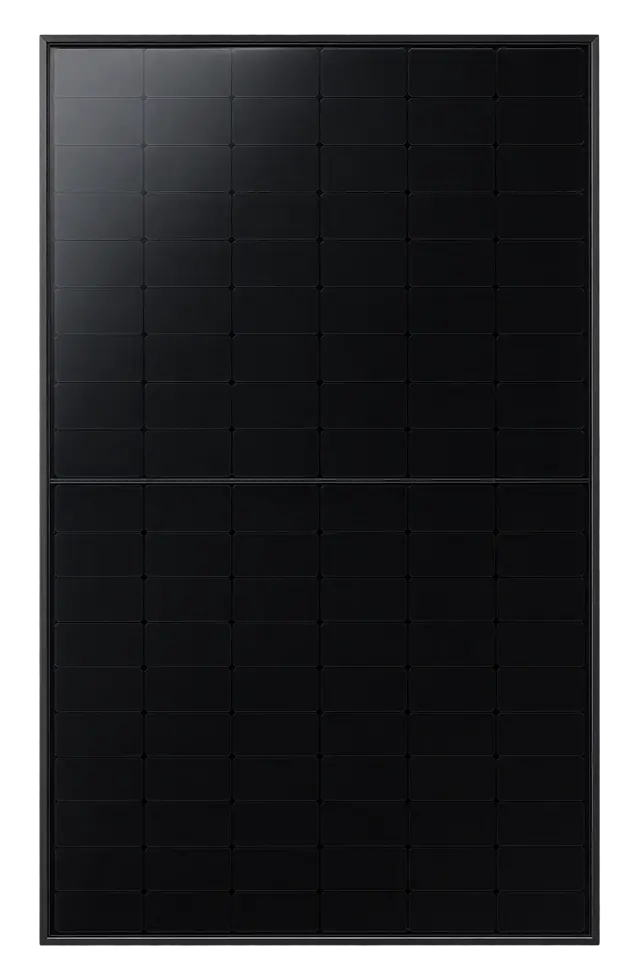
All-black residential back-contact module with black frame and backsheet, around 420 W.
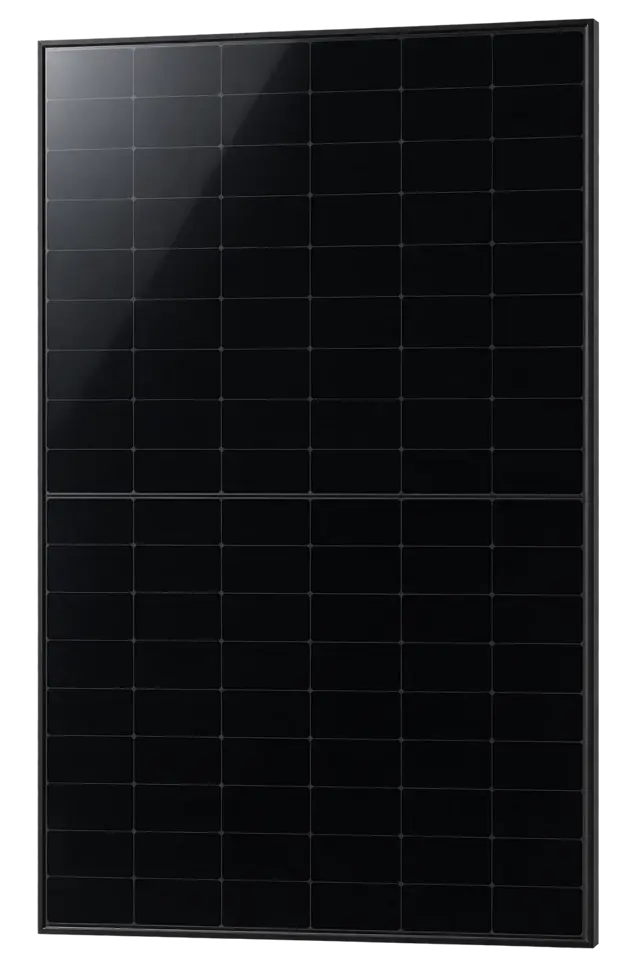
Premium all-black HPBC 2.0 rooftop module with extended warranty, around 450 W and 23 % efficiency.
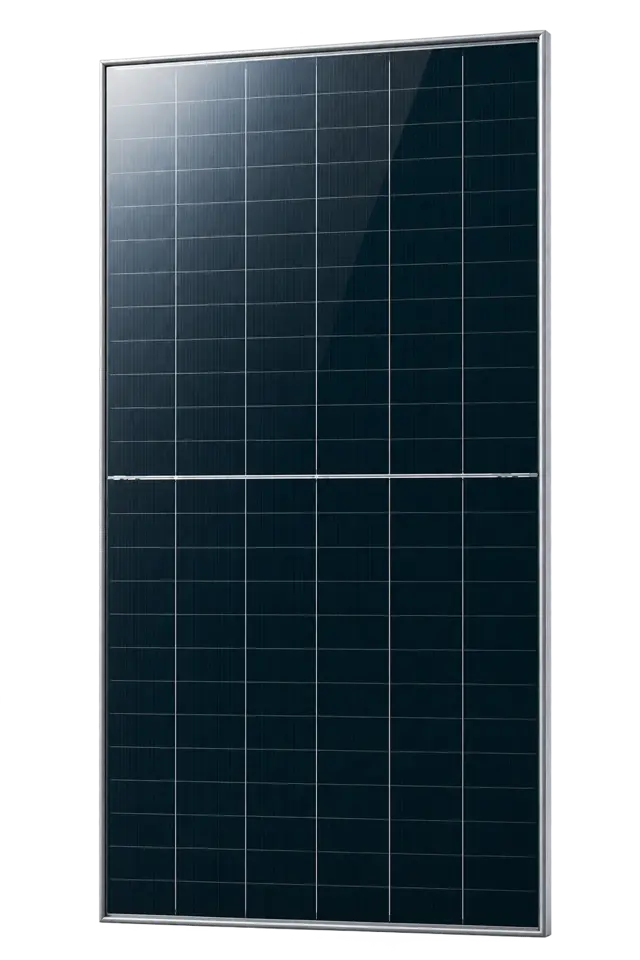
N-type TOPCon bifacial dual-glass module, 695–720 W, 23.2 % efficiency. Our utility-scale reference product.
