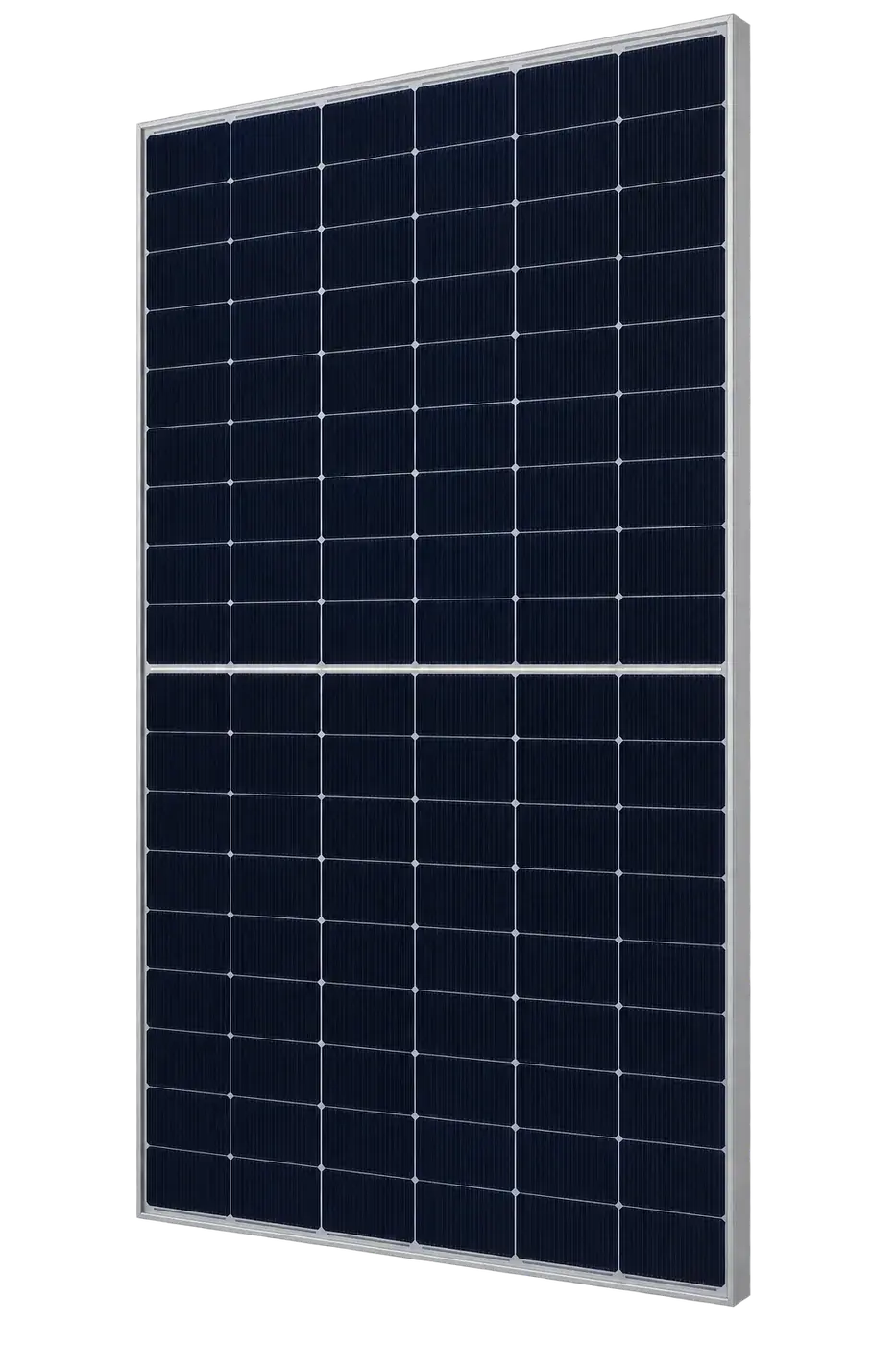
Electrically this module matches the backsheet version on the front, but its rear face is glass too, so light reflected from the ground or roof adds energy. With bifaciality around 80 % and a bright surface beneath (white membrane, light gravel, concrete), rear gain is typically 5–12 % on raised structures. Glass-glass construction also resists moisture ingress, PID and microcracks better than a polymer backsheet, which is why most manufacturers pair it with a 30-year power warranty and 0.4 %/yr degradation.
The trade-offs are weight (about 24 kg) and handling: frames are often thinner, the glass edges are more fragile, and clamps must sit only in the approved zones. Keep rails and junction boxes from shading the rear cells where possible, and on carports leave at least 1–1.5 m clearance between module and ground to make the rear side worthwhile.
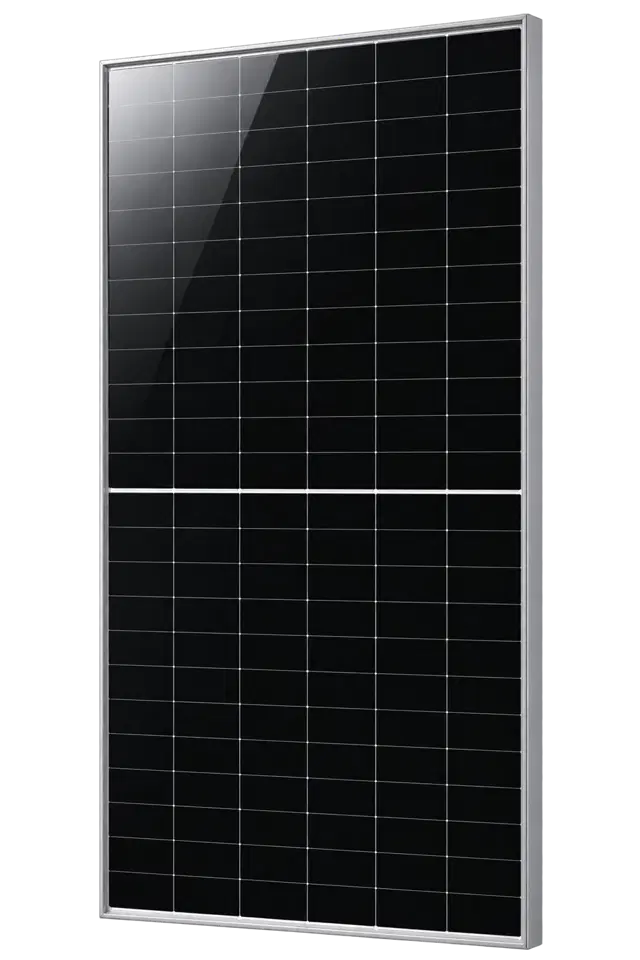
Utility-scale back-contact (HPBC 2.0) bifacial module, 640–670 W class, up to 24.8 % efficiency.
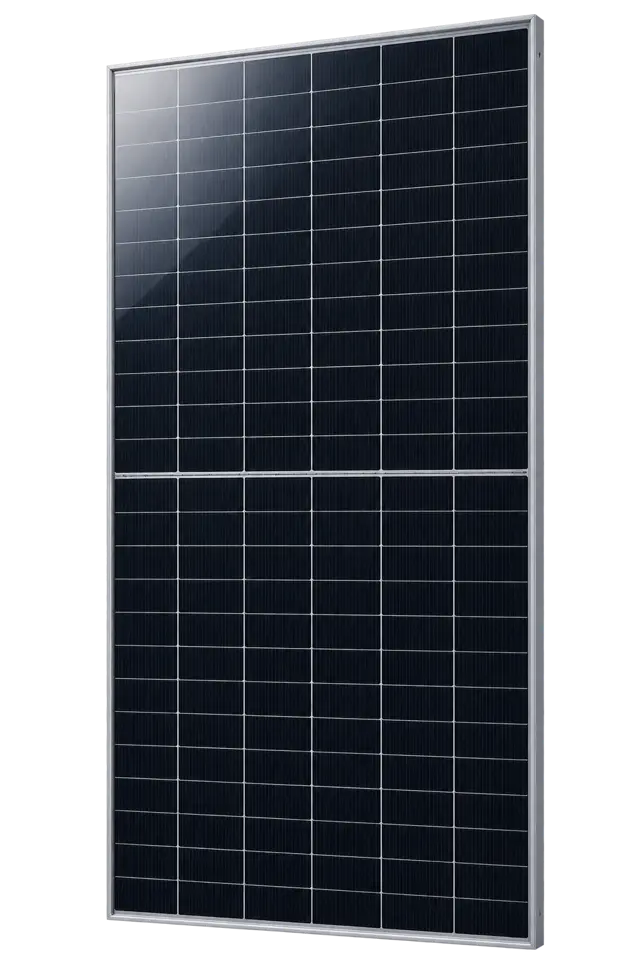
Bifacial dual-glass N-type HPDC module for ground-mount plants, 600–625 W, 23.0 % efficiency.
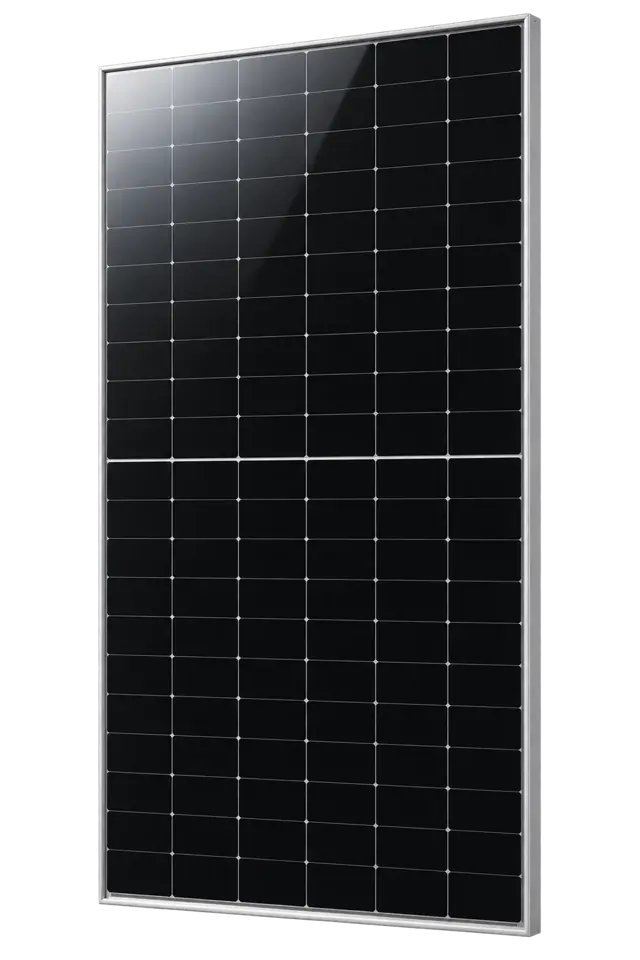
Monofacial HPBC module for commercial & industrial rooftops, 570–595 W, 22.8 % efficiency.
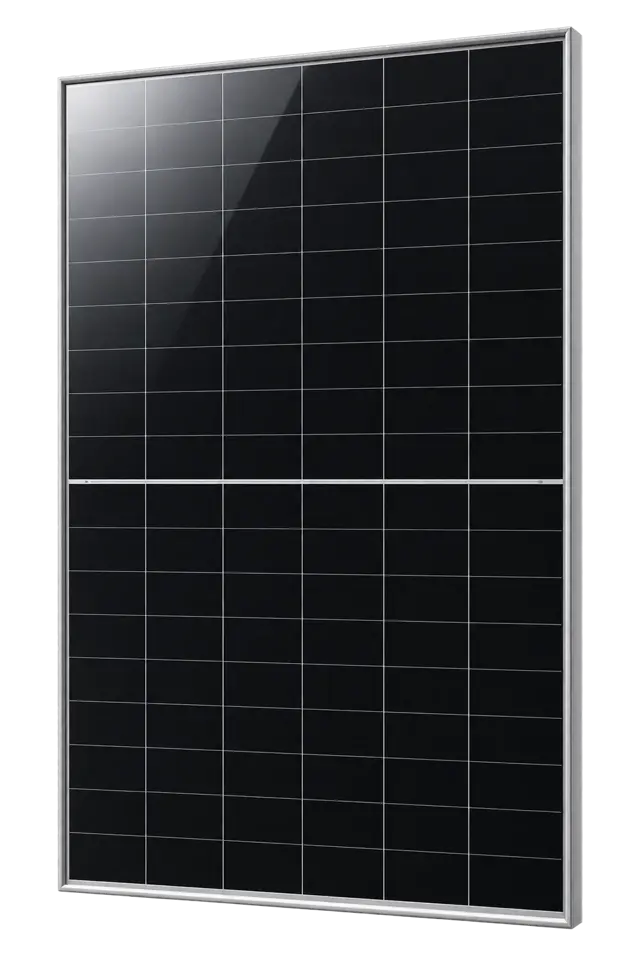
Residential back-contact rooftop module, 455–485 W, 23.3 % efficiency with anti-shading design.
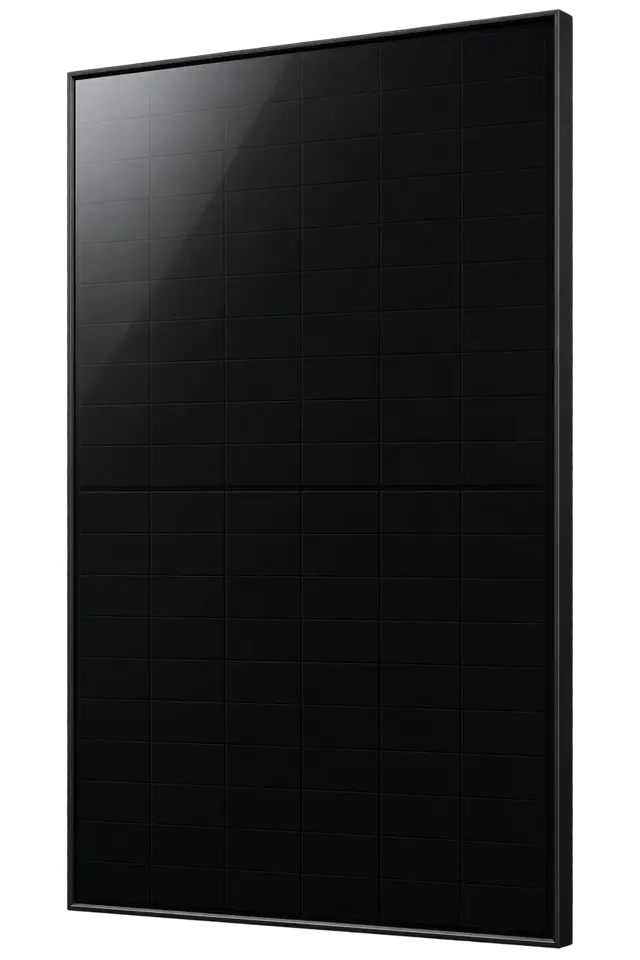
All-black aesthetic version for premium villas, 445–465 W, 22.5 % efficiency.
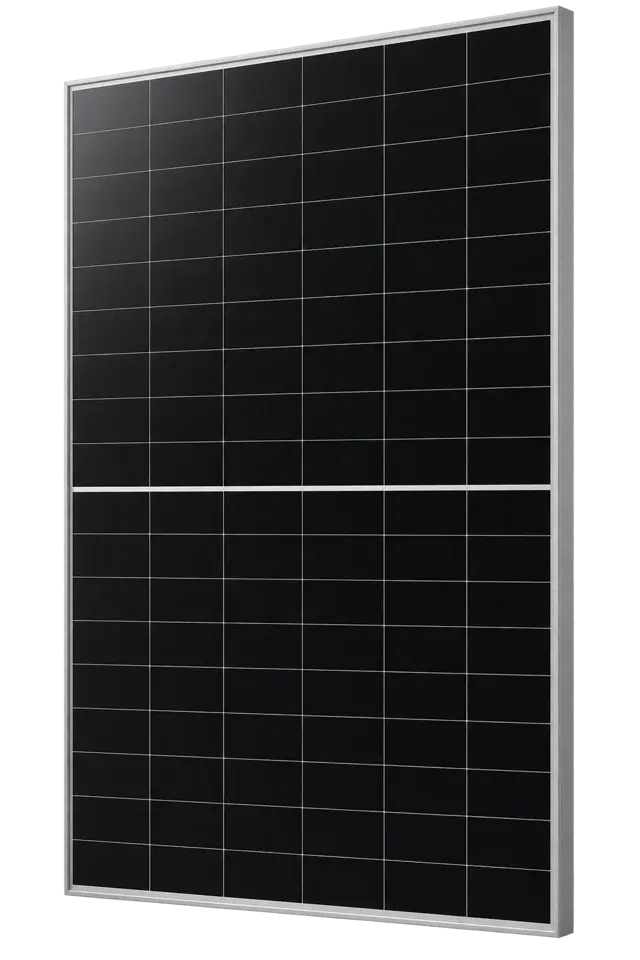
Residential HPBC 2.0 back-contact module, 54-cell format, around 480 W with strong partial-shade behaviour.
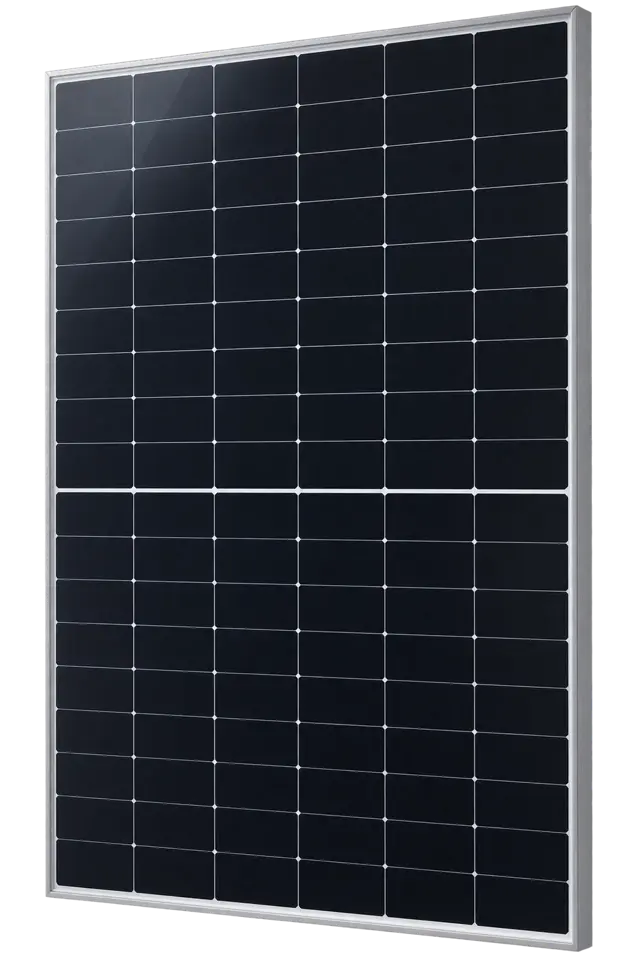
Rooftop HPBC back-contact module on 182 mm wafers, 415–435 W, around 22 % efficiency.
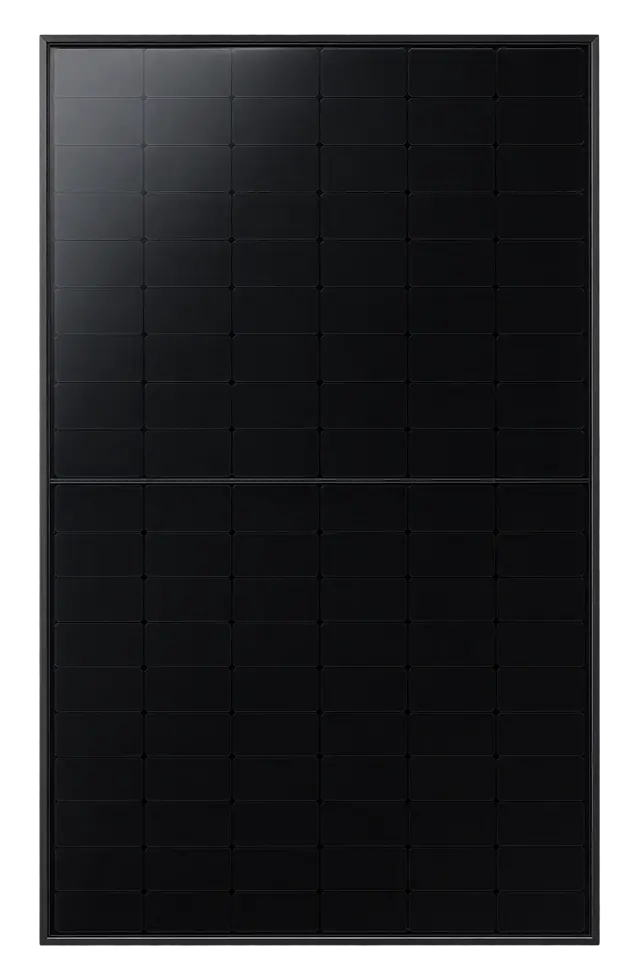
All-black residential back-contact module with black frame and backsheet, around 420 W.
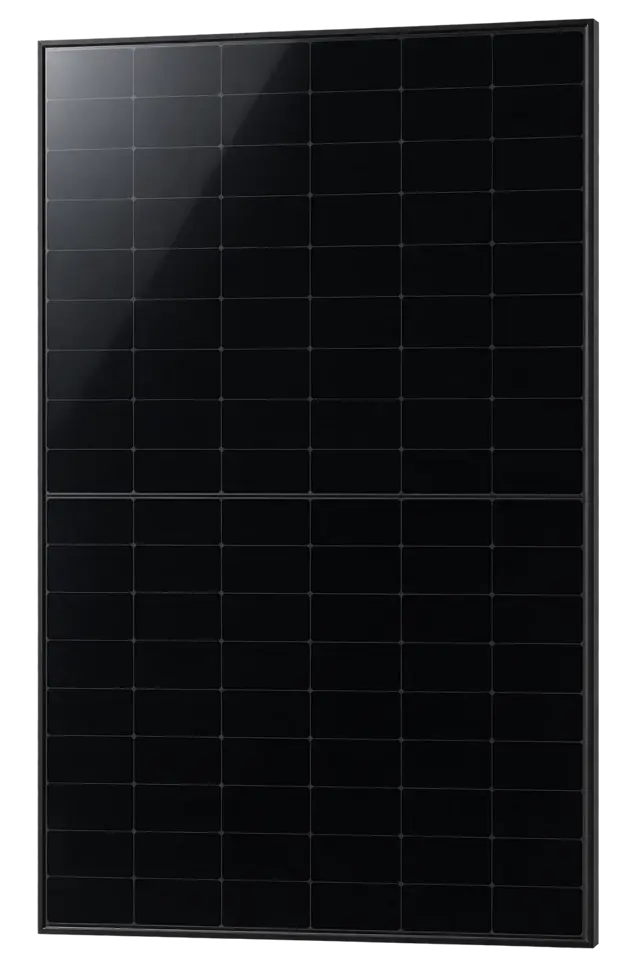
Premium all-black HPBC 2.0 rooftop module with extended warranty, around 450 W and 23 % efficiency.
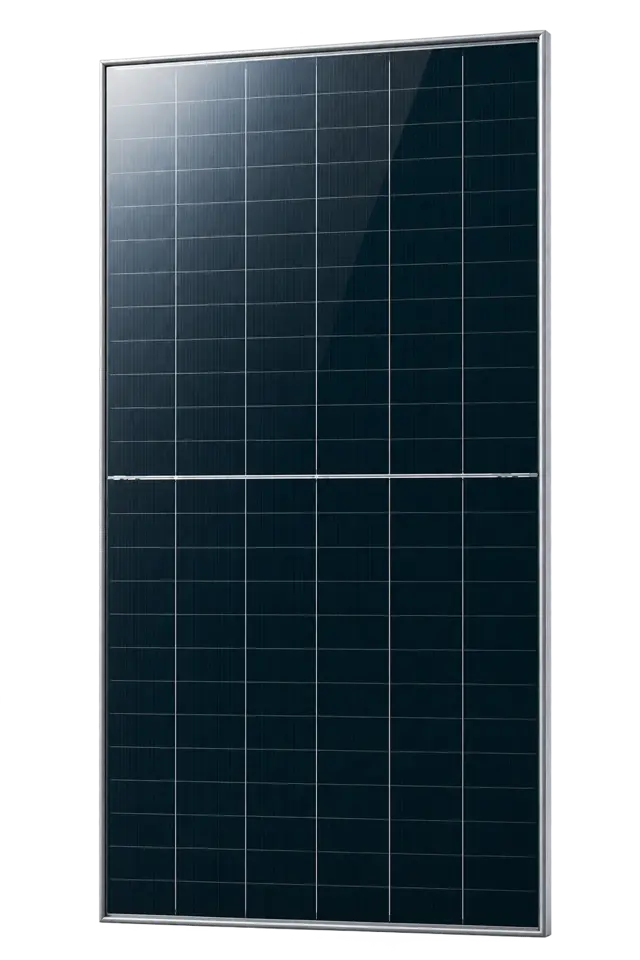
N-type TOPCon bifacial dual-glass module, 695–720 W, 23.2 % efficiency. Our utility-scale reference product.
