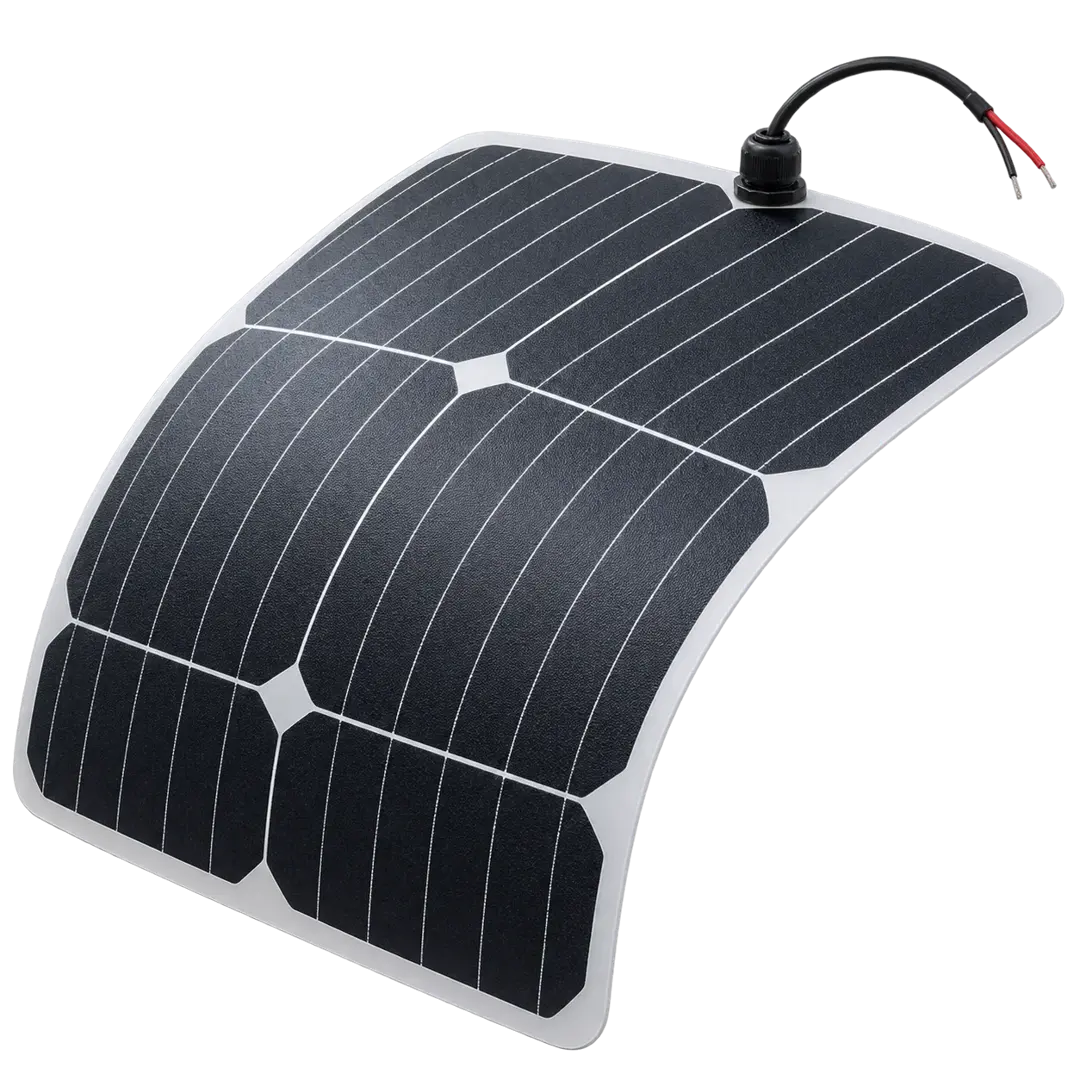
Walk-on modules use a thicker, textured composite top layer and a rigid-but-bendable backing so crew can step on them barefoot or in deck shoes without cracking the cells or slipping. The 50 W size (about 640 × 540 mm) fits between hatches and on coachroofs where nothing else will go, keeping a yacht's house battery topped up for anchor lights, bilge pumps and instruments.
The textured surface trades a few percent of efficiency for grip, and walk-on panels are still not designed for point loads such as dropped winch handles or heavy boots with grit. Fix them with marine sealant around the full perimeter, lead the cable through a deck gland, and add a small MPPT or PWM controller sized at 5–10 A. Salt spray makes regular fresh-water rinsing essential.
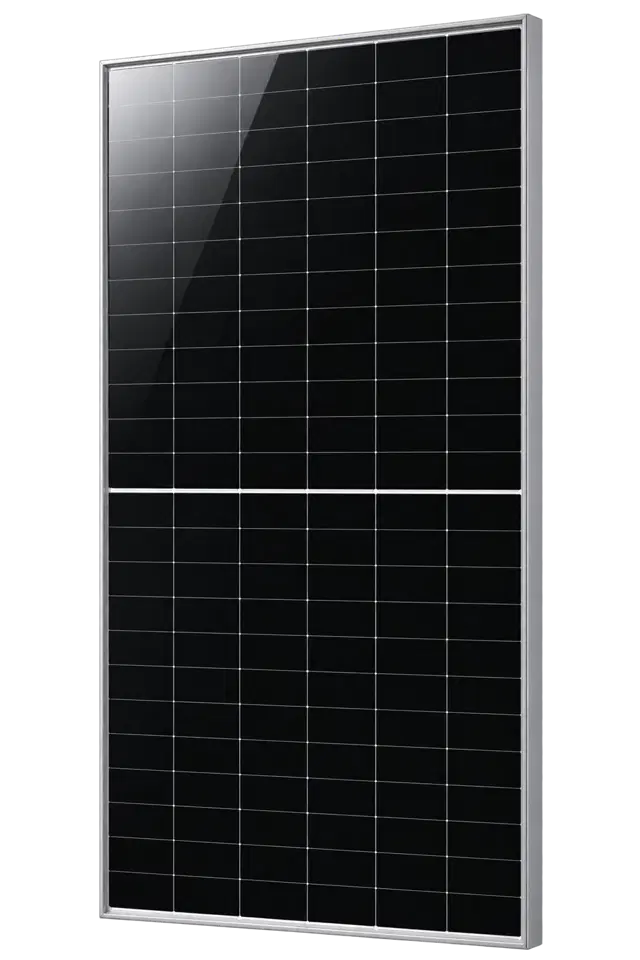
Utility-scale back-contact (HPBC 2.0) bifacial module, 640–670 W class, up to 24.8 % efficiency.
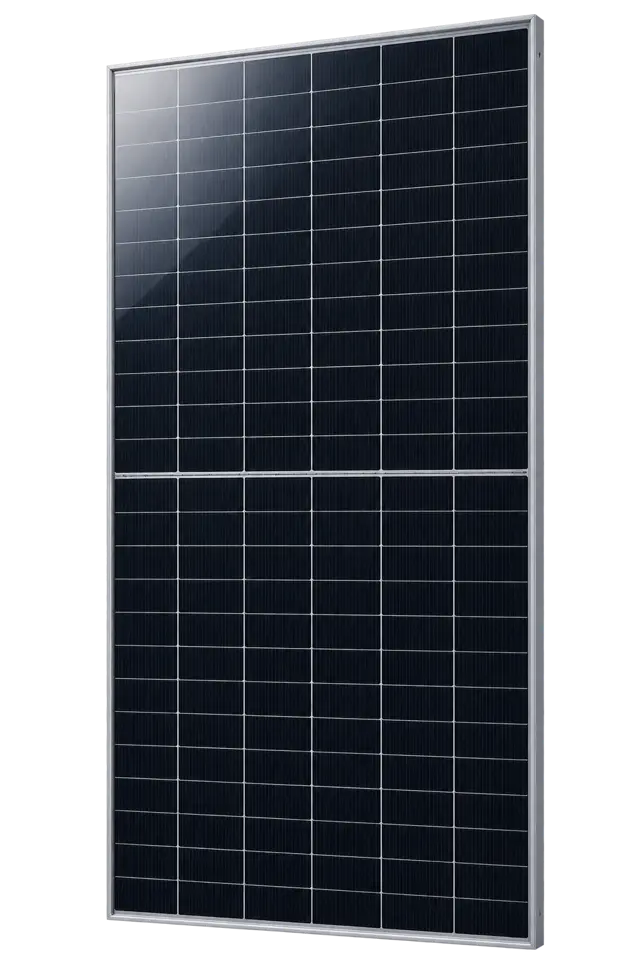
Bifacial dual-glass N-type HPDC module for ground-mount plants, 600–625 W, 23.0 % efficiency.
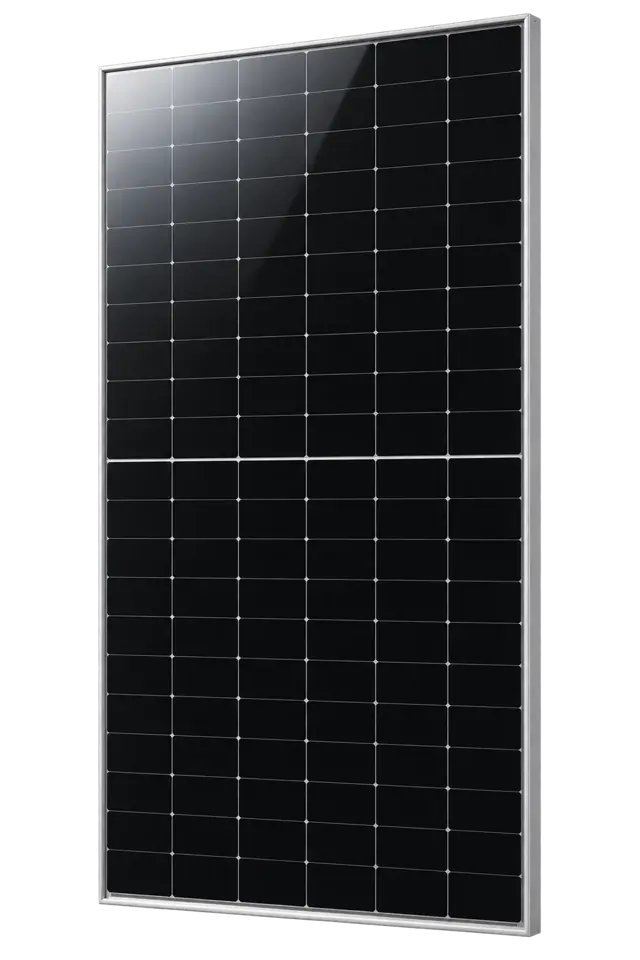
Monofacial HPBC module for commercial & industrial rooftops, 570–595 W, 22.8 % efficiency.
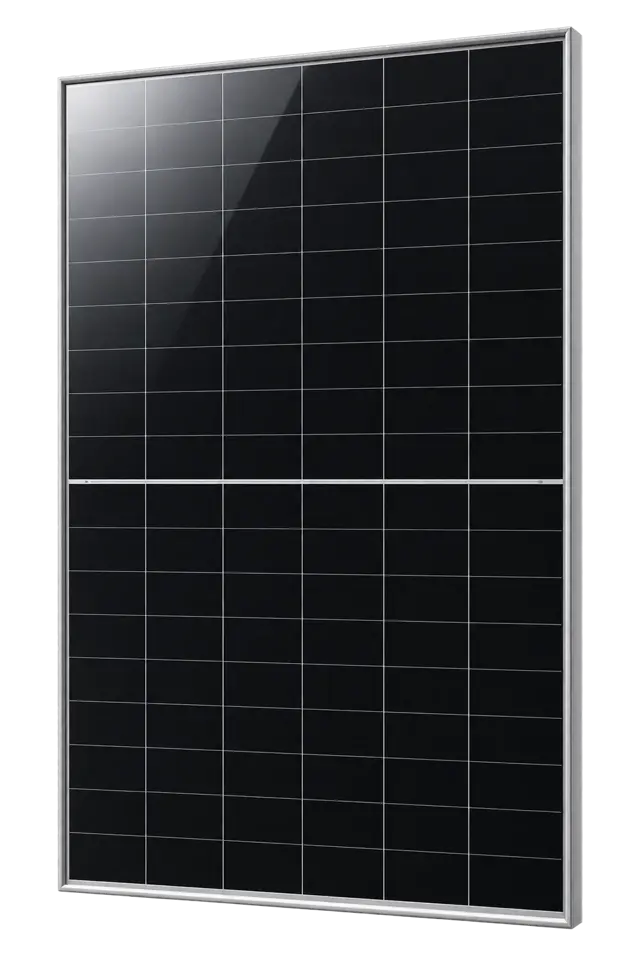
Residential back-contact rooftop module, 455–485 W, 23.3 % efficiency with anti-shading design.
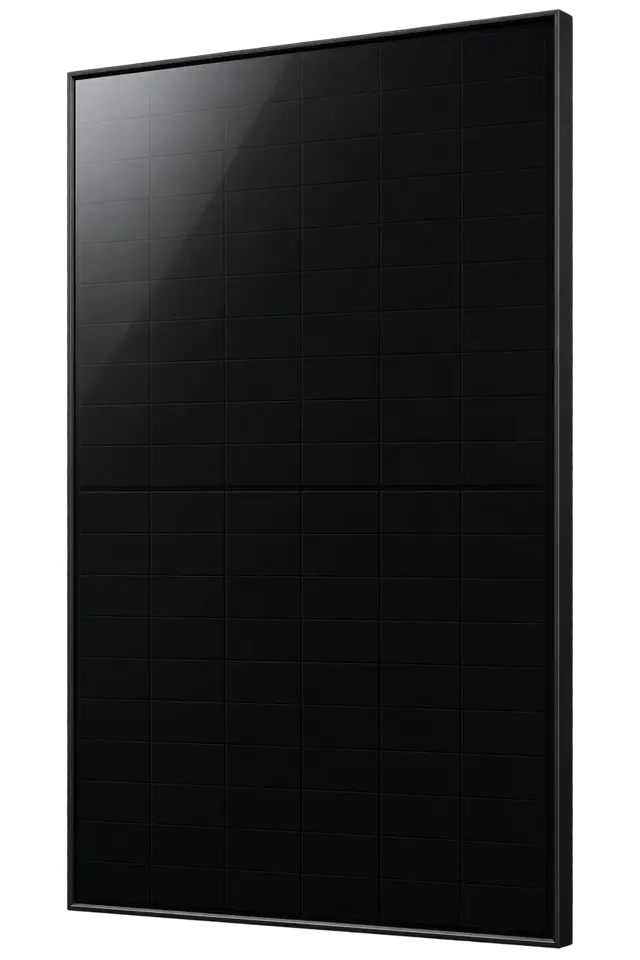
All-black aesthetic version for premium villas, 445–465 W, 22.5 % efficiency.
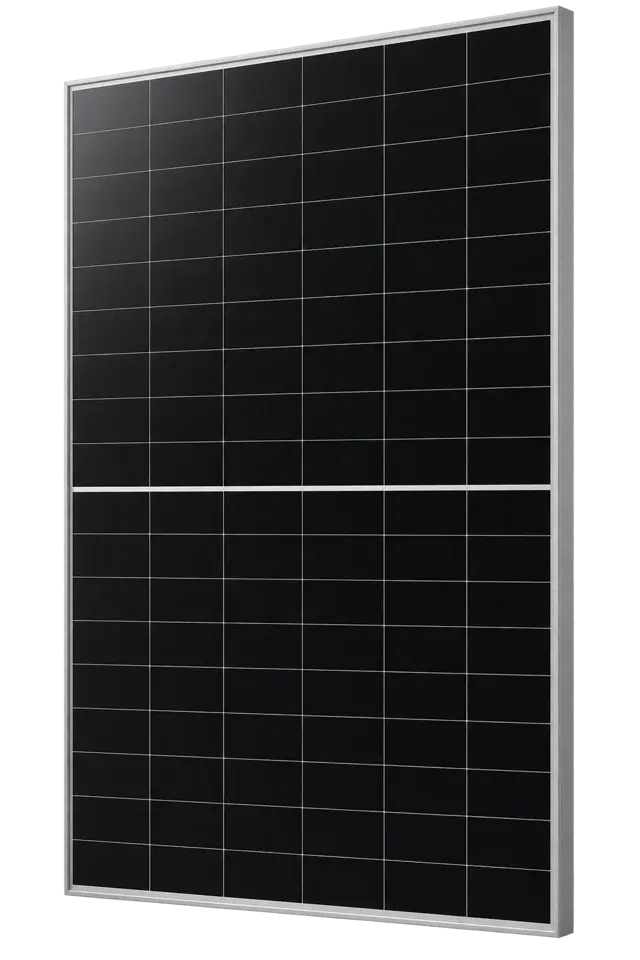
Residential HPBC 2.0 back-contact module, 54-cell format, around 480 W with strong partial-shade behaviour.
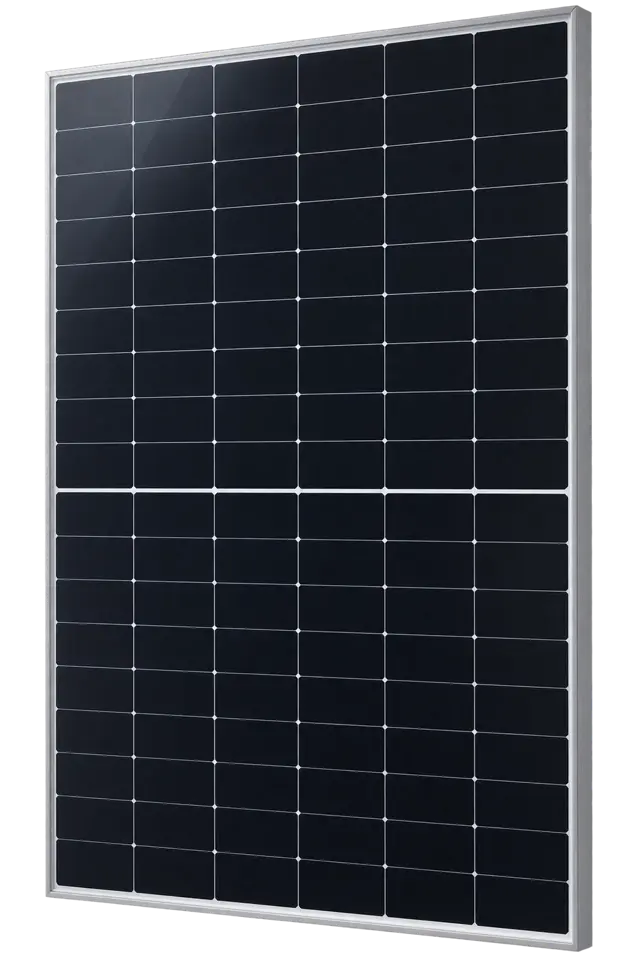
Rooftop HPBC back-contact module on 182 mm wafers, 415–435 W, around 22 % efficiency.
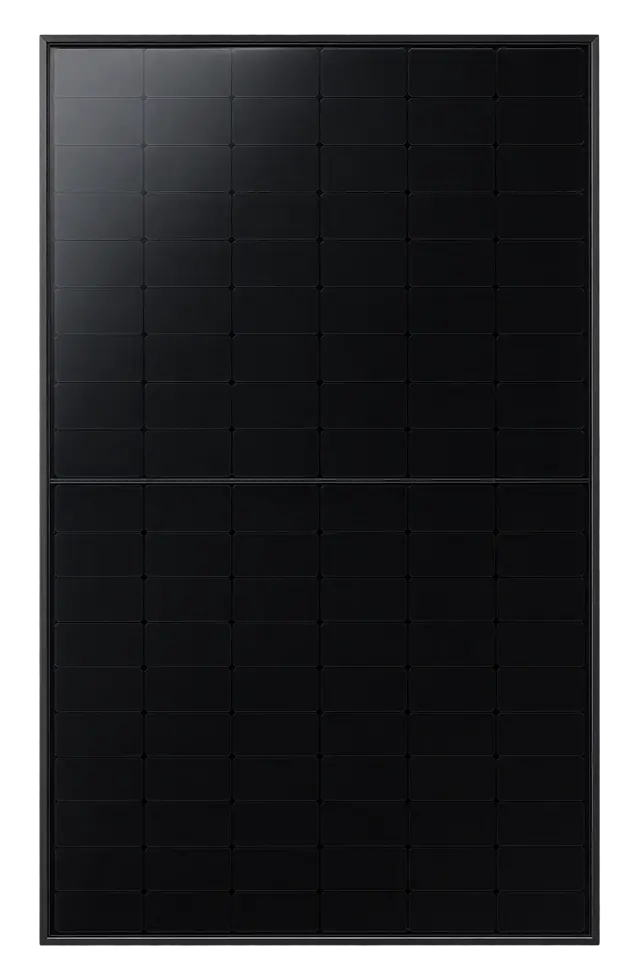
All-black residential back-contact module with black frame and backsheet, around 420 W.
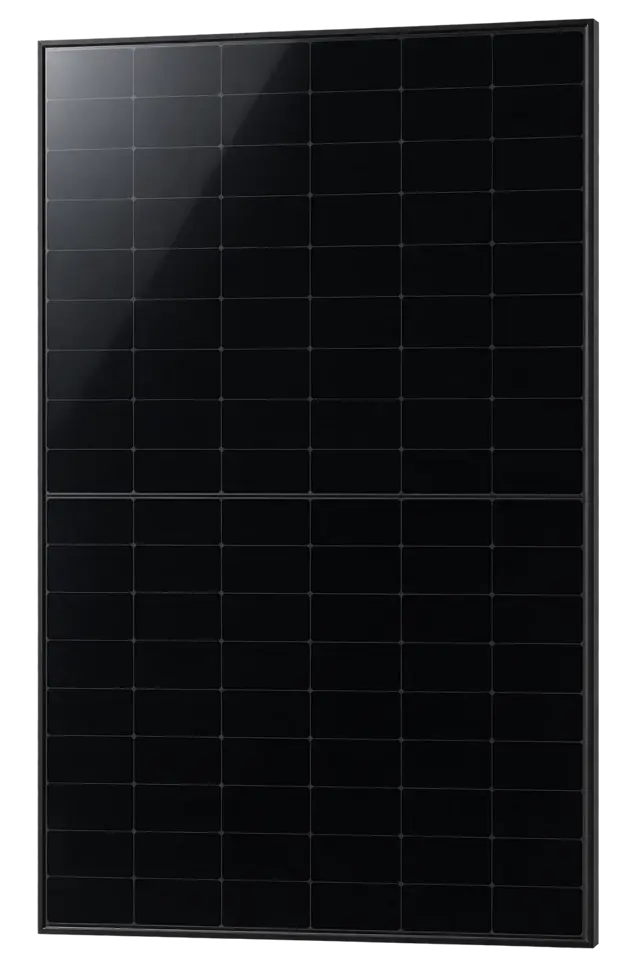
Premium all-black HPBC 2.0 rooftop module with extended warranty, around 450 W and 23 % efficiency.
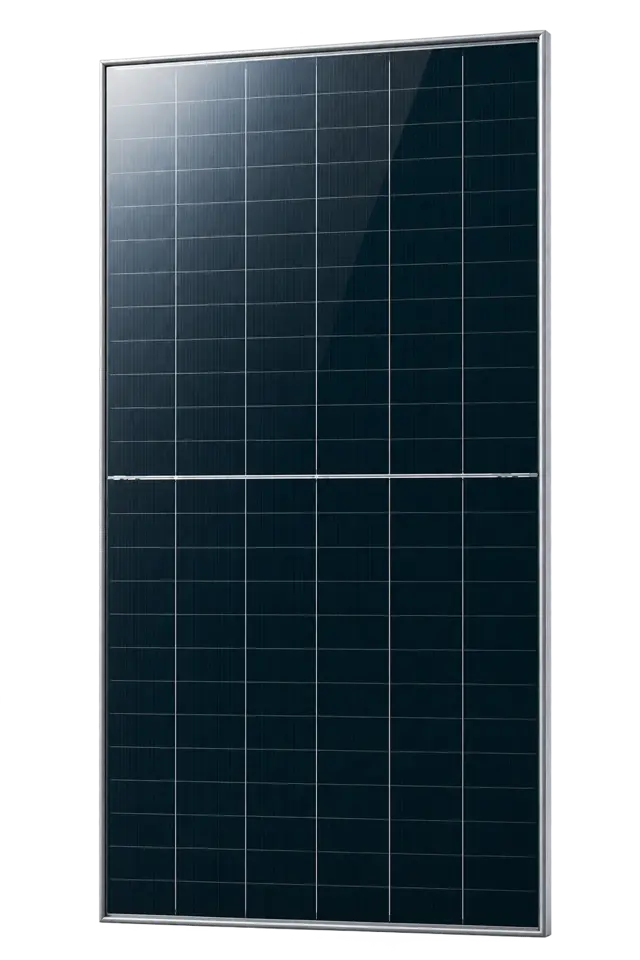
N-type TOPCon bifacial dual-glass module, 695–720 W, 23.2 % efficiency. Our utility-scale reference product.
