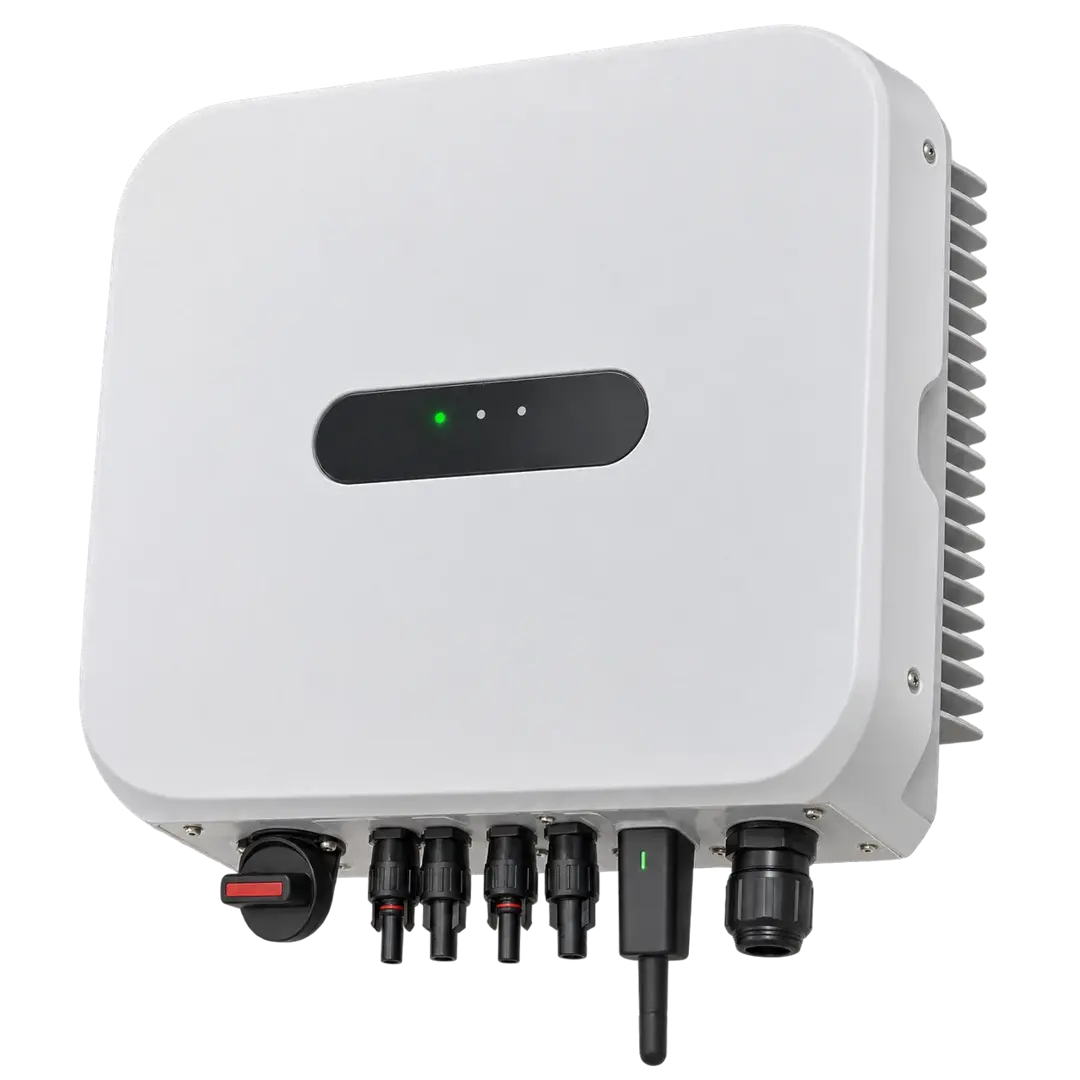
A 3 kW single-phase string inverter is the smallest size that still makes economic sense for a grid-connected roof. Two independent MPPTs let a short east string and a short west string run at their own operating points, and the wide tracking window (typically 80–550 V on a 600 V input) suits strings of six to eleven modern 430–475 W rooftop modules. Peak efficiency is around 97.6 %, and the unit is passively cooled, so there is no fan to fail.
Pair it with 3.3–4 kWp of modules: in GCC summers, cell temperatures of 65–70 °C cut real DC output well below the STC rating, so a DC/AC ratio of 1.1–1.3 rarely causes meaningful clipping. Mount it on a shaded north-facing wall or under a canopy; above about 45 °C ambient the inverter derates its output to protect the electronics. Wi-Fi monitoring, an RS485 port for an export-limit meter and integrated DC isolator are standard on this class.
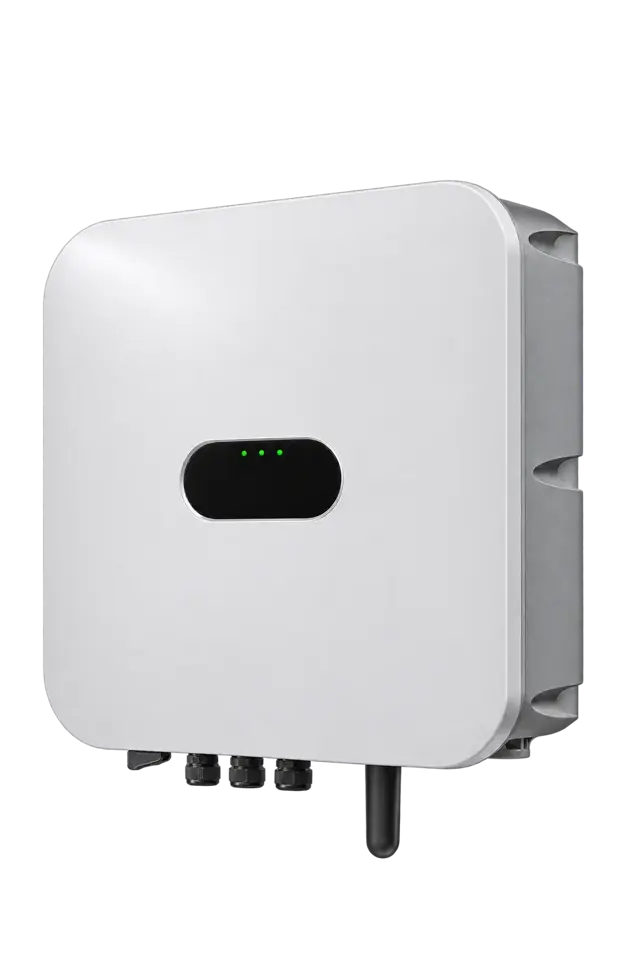
Compact residential string inverter with two MPPTs, 98.4 % peak efficiency and battery-ready design for villas and small rooftops.
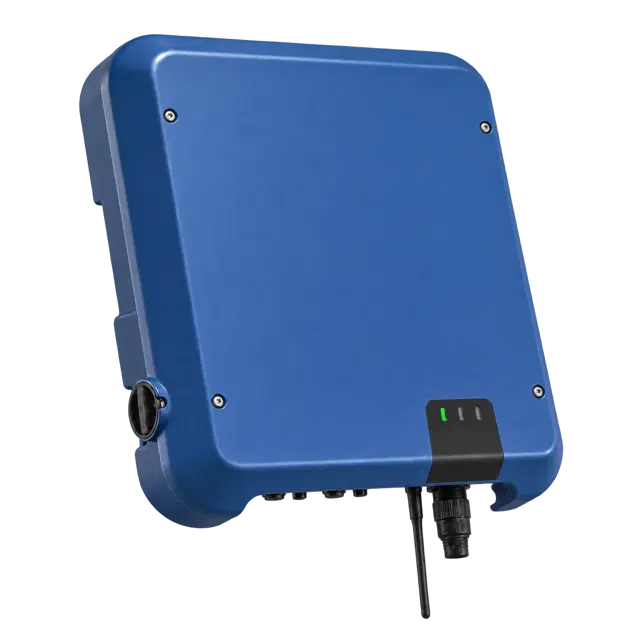
Three-phase inverter for large villas and small businesses, with balanced phase output and integrated web monitoring.
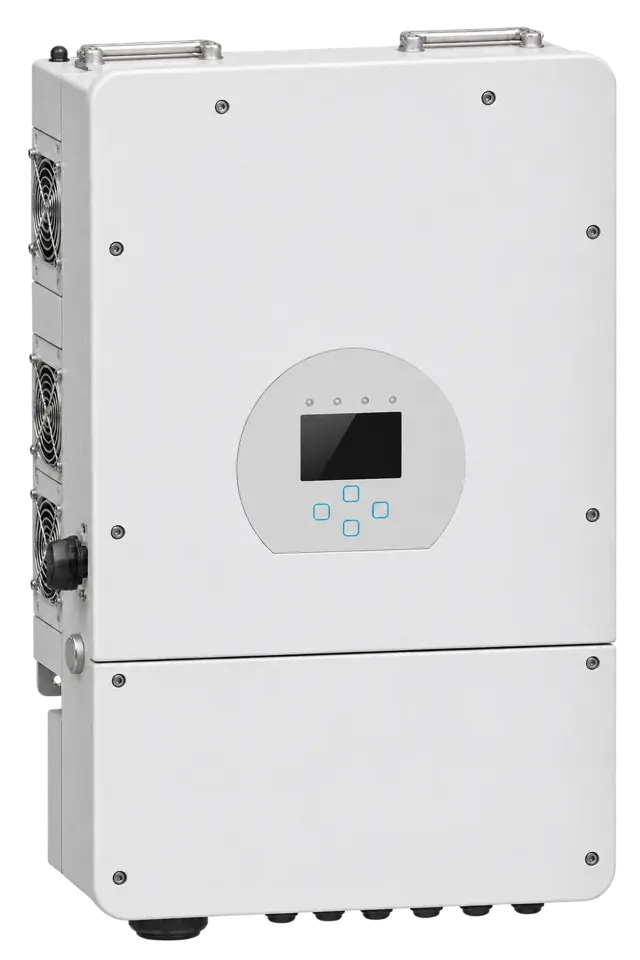
Hybrid inverter for homes with low-voltage LFP batteries: solar, battery, grid and generator inputs with automatic backup switching.
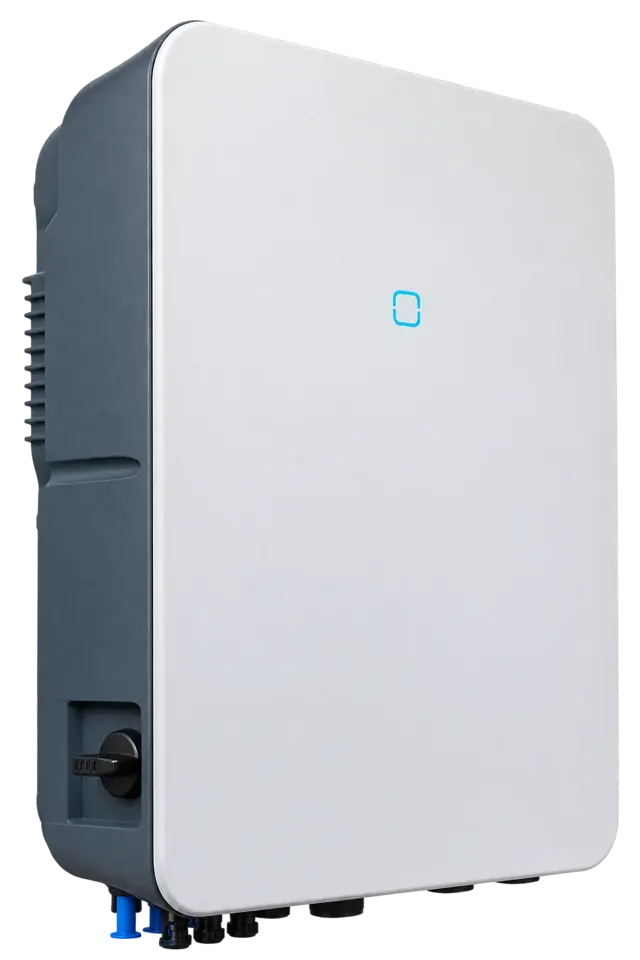
Three-phase hybrid for high-voltage batteries, with full backup on all three phases and 150 % DC oversizing.
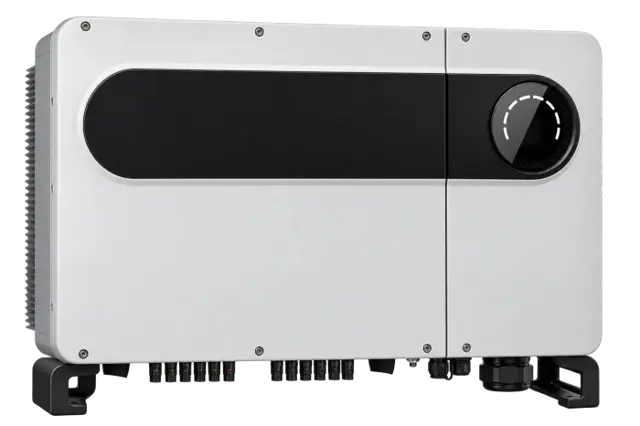
Six-MPPT commercial inverter for warehouse, factory and carport rooftops, with smart I-V curve diagnosis.
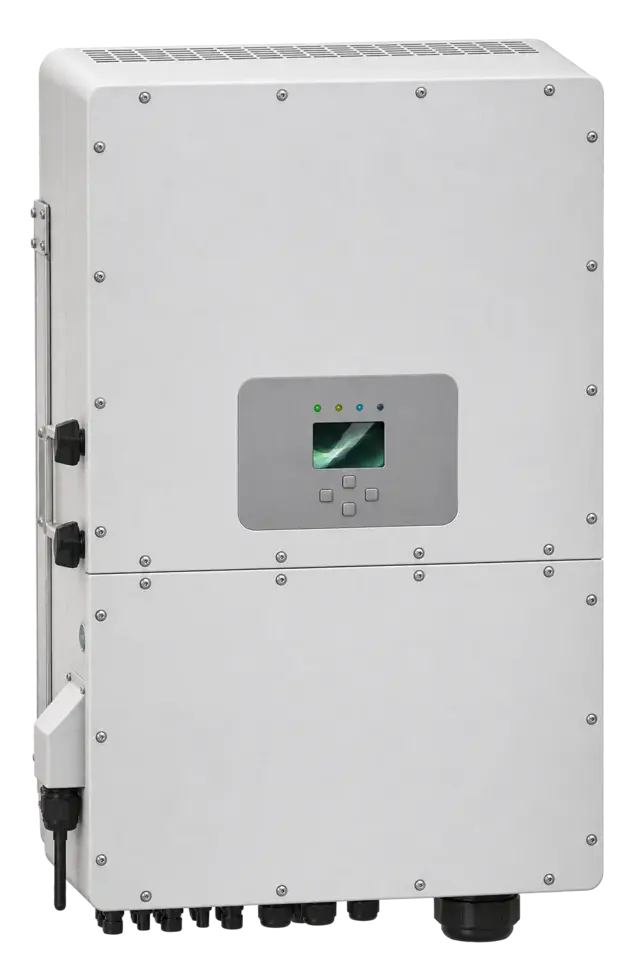
Commercial hybrid inverter for high-voltage battery cabinets: peak shaving, backup and diesel-generator integration for sites with weak grids.
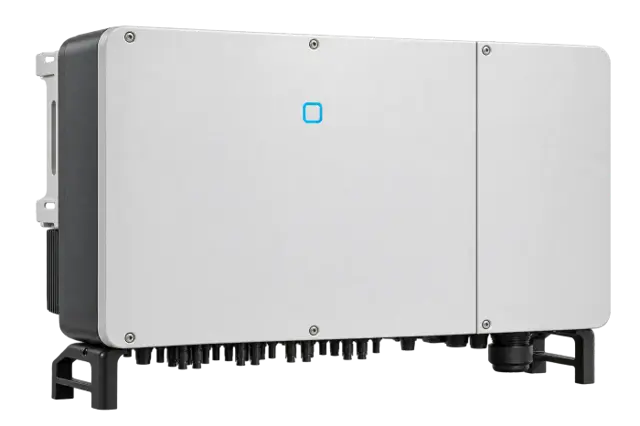
Nine-MPPT workhorse for large rooftops and distributed ground-mount plants, 98.7 % max efficiency.
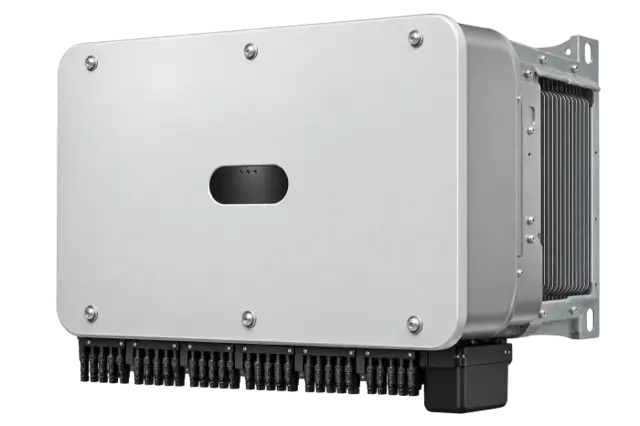
300 kW / 330 kVA string inverter for utility-scale plants on 1,500 V DC, feeding an 800 V AC medium-voltage skid.
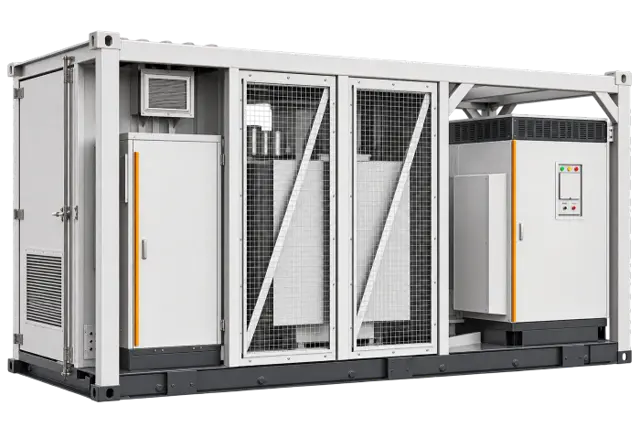
Megawatt-class central inverter for large, uniform utility plants; available as a turnkey MV skid with transformer and switchgear.
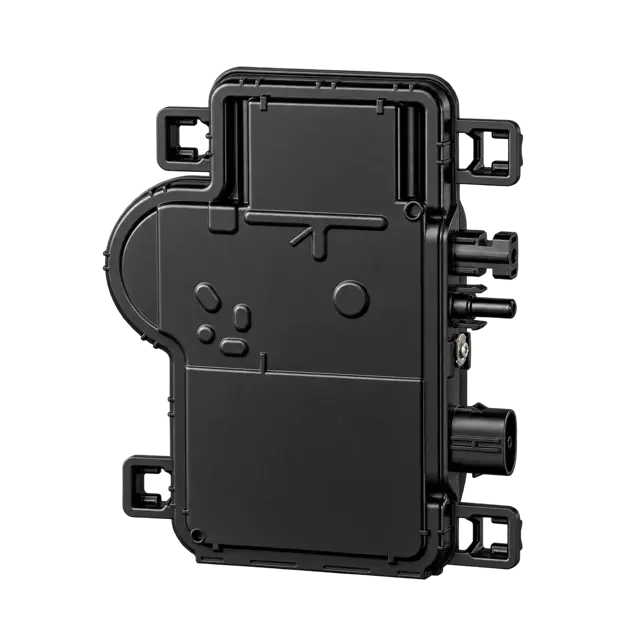
Module-level inverter: each module produces AC independently; suited to shaded or complex roofs and rapid-shutdown compliance.
