A perovskite top cell stacked on a silicon bottom cell to break the single-junction efficiency limit, with record cells above 33 %.
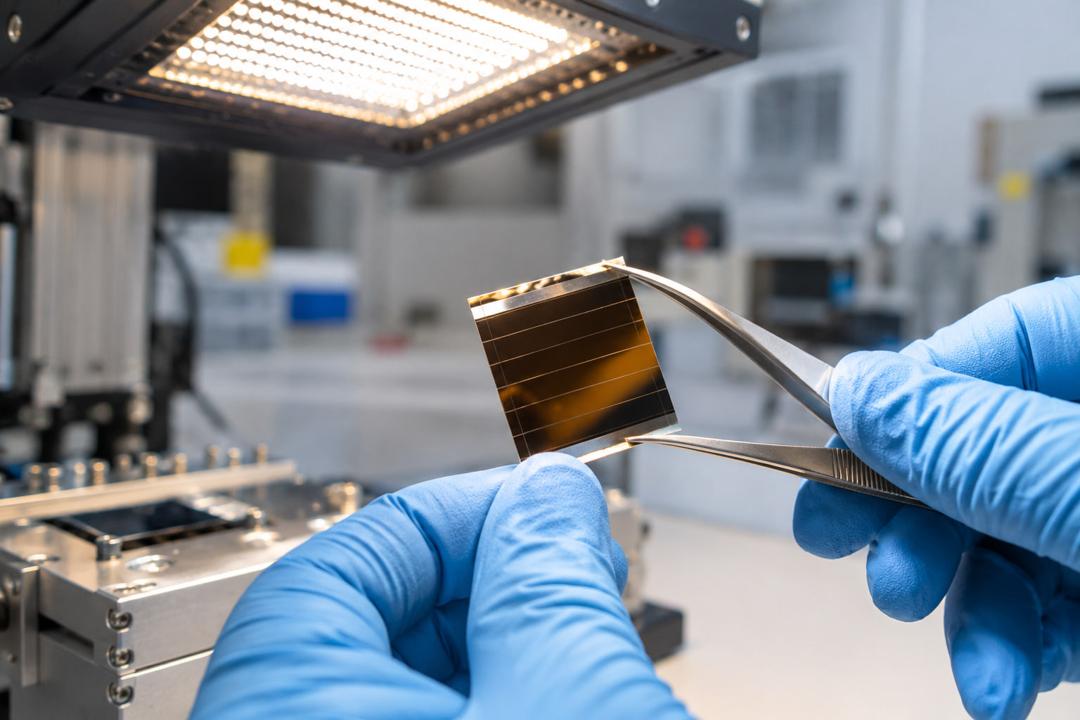
Perovskites are a family of crystalline materials (typically metal-halide ABX₃ compounds) whose band gap can be tuned. A wide-band-gap perovskite absorbs the blue and green part of the spectrum efficiently, while the silicon cell underneath converts the red and infrared light that passes through.
Silicon alone is limited to about 29.4 % theoretical efficiency. Perovskite-silicon tandems have already exceeded 33 % in certified laboratory cells, and LONGi, Trina Solar, JinkoSolar and others have announced record results and pilot lines.
The main hurdles before bankable mass deployment are long-term stability under heat, humidity and UV, scaling uniform coatings to full module size, and qualification under IEC test sequences. Field data over 10–25 years does not yet exist, so warranties and insurance terms are still evolving.
For projects being procured today, perovskite tandem is a technology to watch rather than buy. N-type TOPCon and back-contact modules remain the proven choice, while tandem products are expected to enter the market gradually over the coming years.
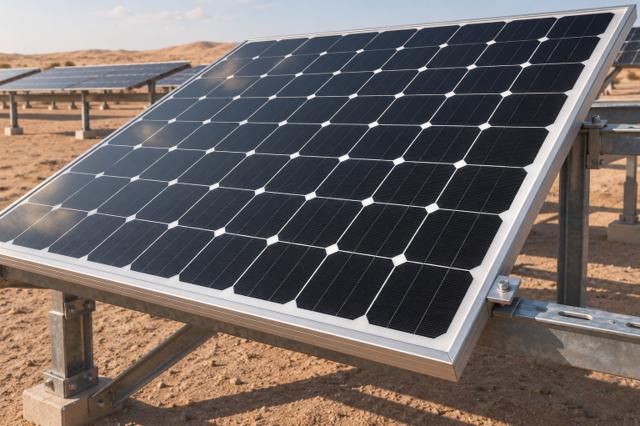
Passivated Emitter and Rear Cell on P-type monocrystalline silicon, the workhorse technology of 2016–2023.
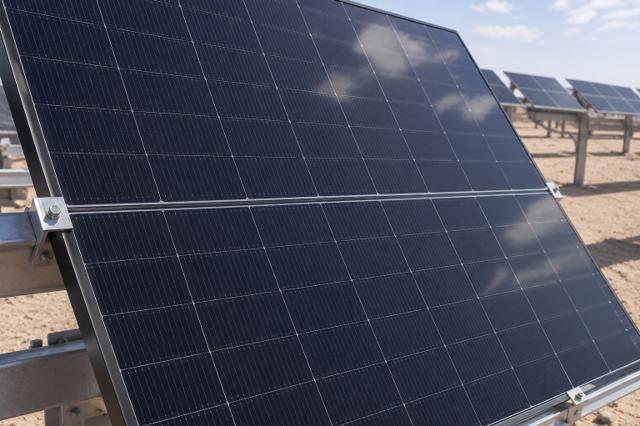
Tunnel Oxide Passivated Contact cells on N-type wafers: today's mainstream high-efficiency, high-bifaciality technology.
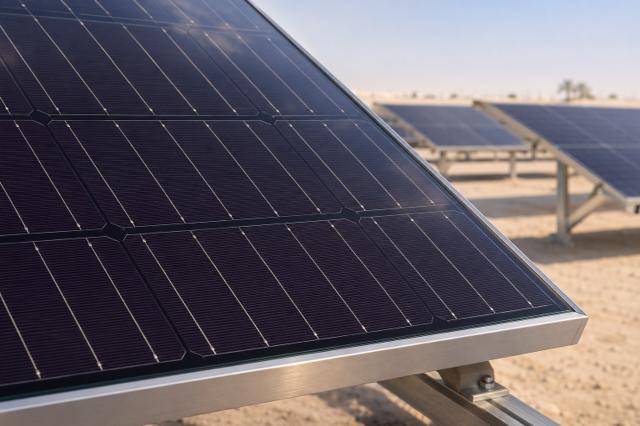
Crystalline N-type wafer sandwiched between thin amorphous-silicon layers, with the best temperature coefficient among silicon technologies.
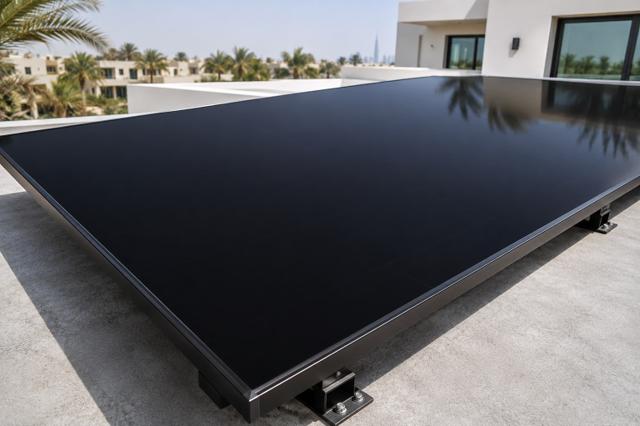
All electrical contacts moved to the rear of the cell. No front busbars, more light captured and the highest module efficiencies on the market.
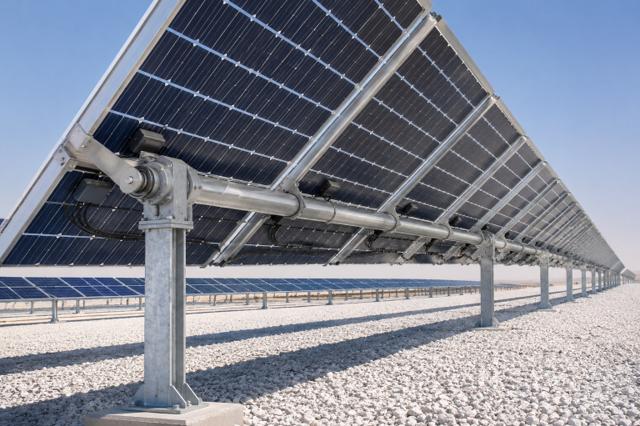
Modules that also convert light reaching their rear side, adding 5–25 % energy depending on ground albedo and mounting height.
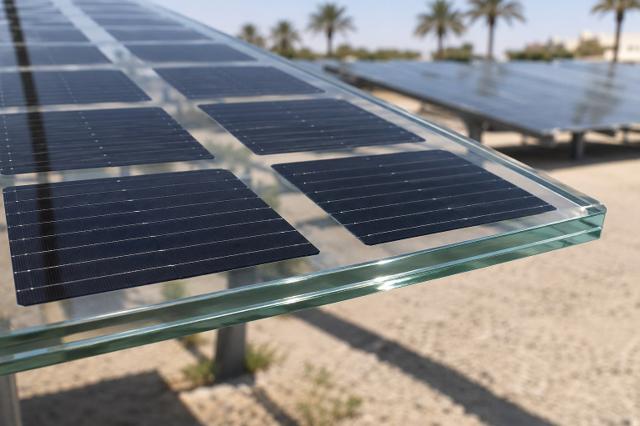
Cells laminated between two sheets of tempered glass for higher durability, lower degradation and 30-year warranties.
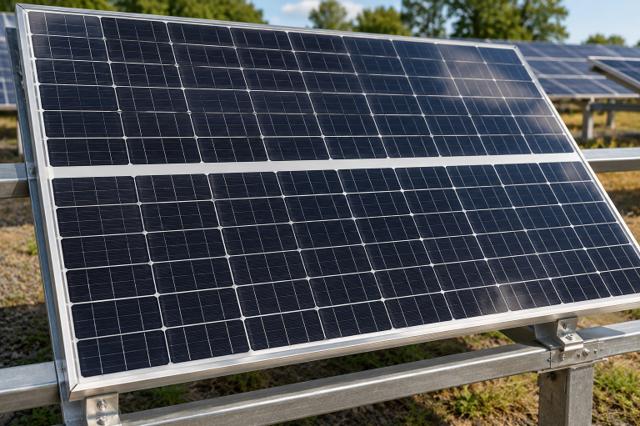
Cells laser-cut in half to halve current per string, reduce resistive losses and improve shade tolerance.
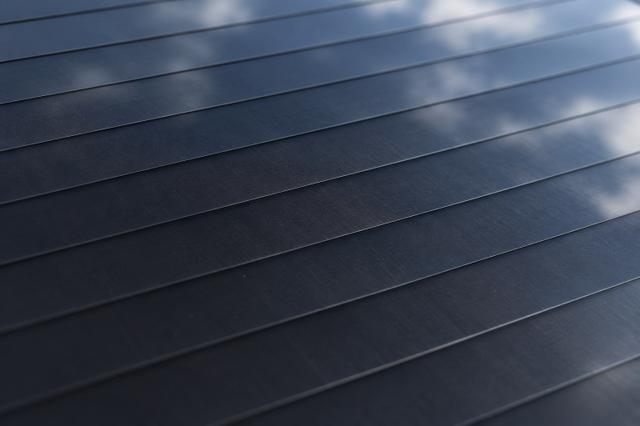
Cell strips overlapped like roof shingles and bonded with conductive adhesive, leaving no gaps or ribbons and a high active area.
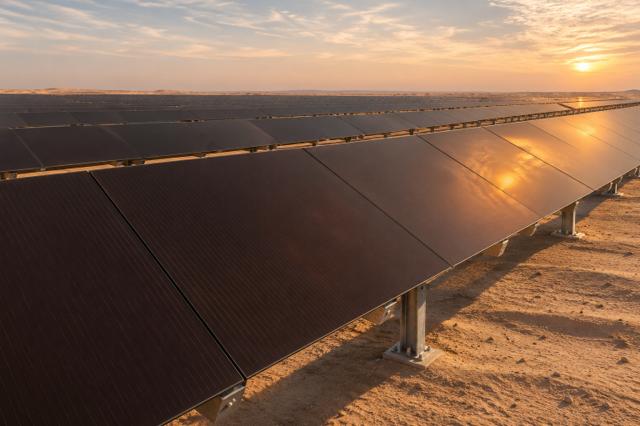
Semiconductor layers a few micrometers thick deposited on glass. Excellent heat and diffuse-light behavior, lower efficiency per area.
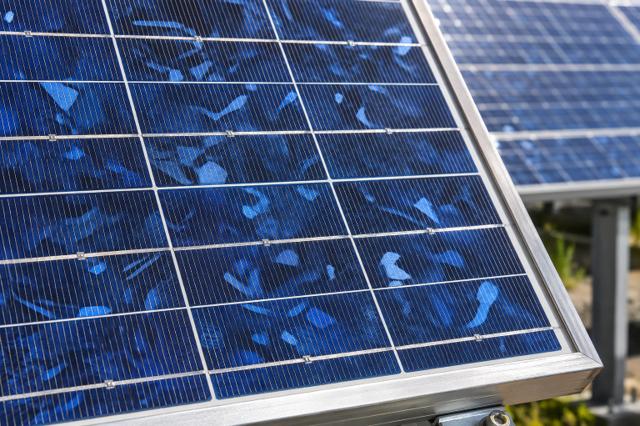
Blue, multi-grain silicon modules that dominated until about 2018, now discontinued by Tier-1 makers.
