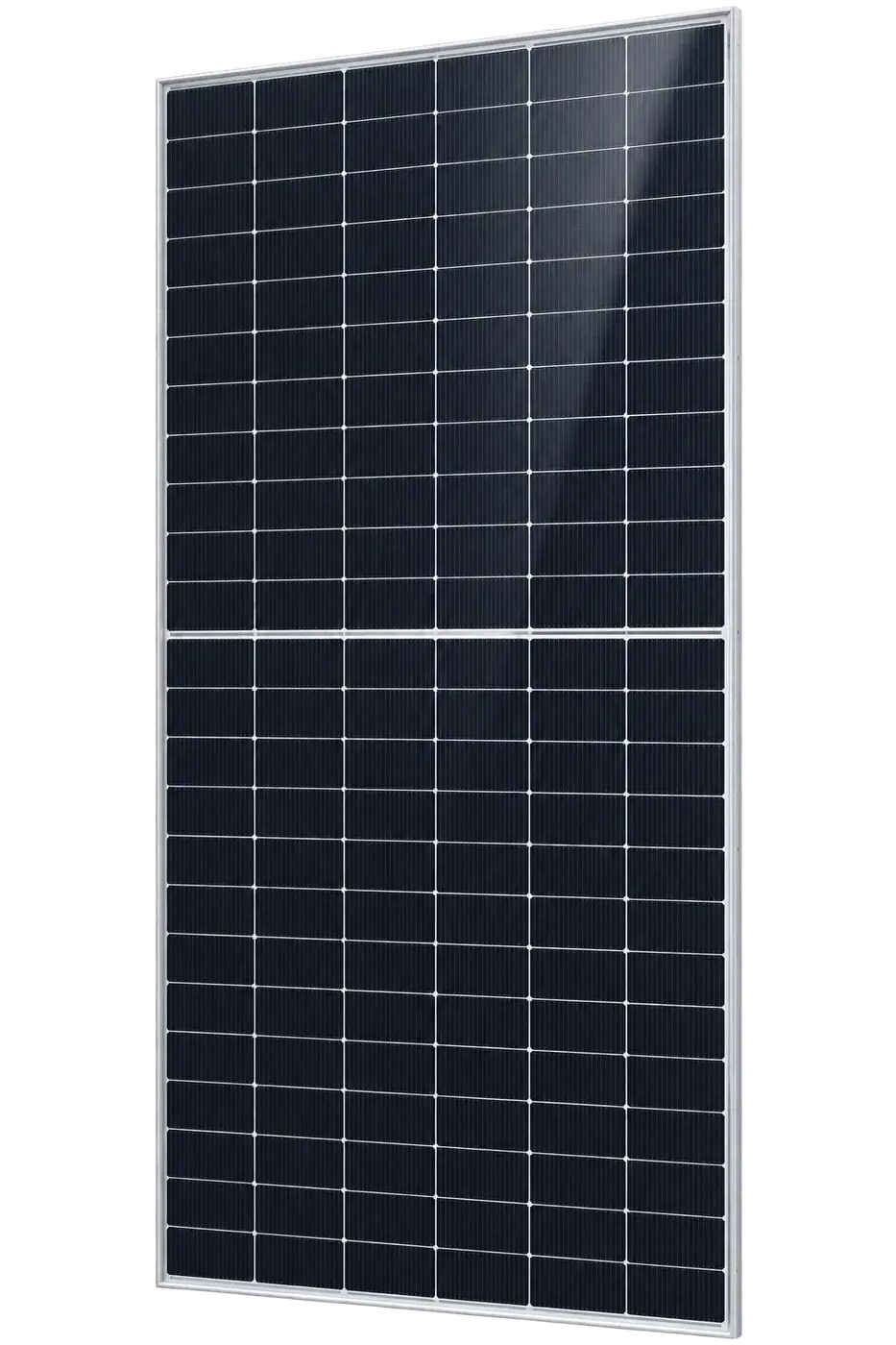
Rectangular wafers (often called M10R or 182 × 199 mm) were introduced so that modules could grow longer while keeping the 1134 mm width that fits standard containers and trackers. The resulting 2382 × 1134 mm module, agreed as a common industry size, carries 600–630 W with TOPCon cells. Because the width is unchanged, existing clamp designs and most tracker purlins still fit; only the table length and the mounting hole positions change.
It is now the most common module tendered for utility and large C&I ground projects. The glass-glass bifacial build gives around 80 % bifaciality and a 30-year warranty. Weight is about 33.5 kg, and the longer span means mechanical load ratings depend strongly on clamp position — follow the manual's long-side clamping zones and confirm the 2400 Pa rear load rating for desert wind regions.
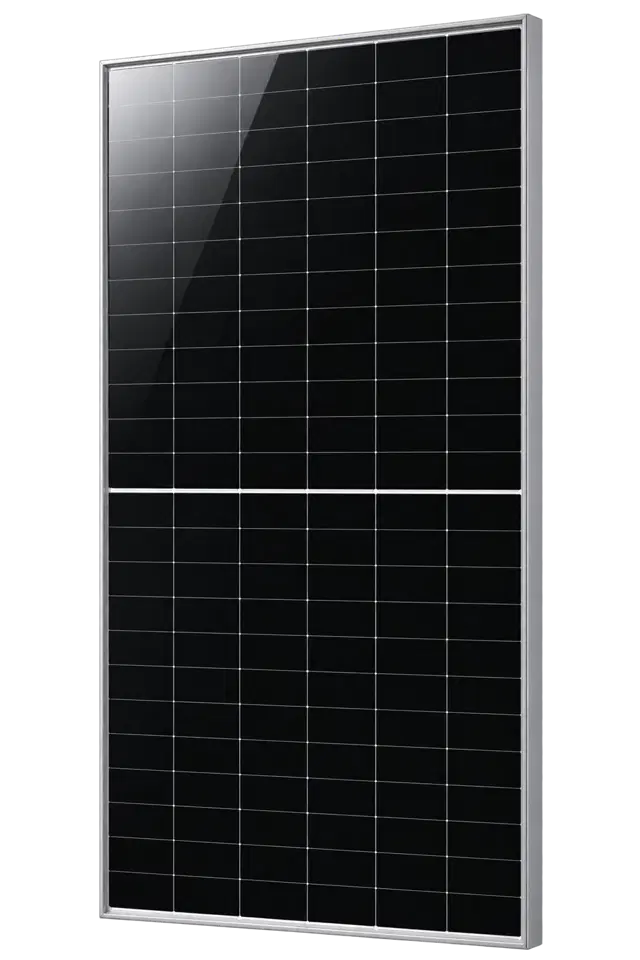
Utility-scale back-contact (HPBC 2.0) bifacial module, 640–670 W class, up to 24.8 % efficiency.
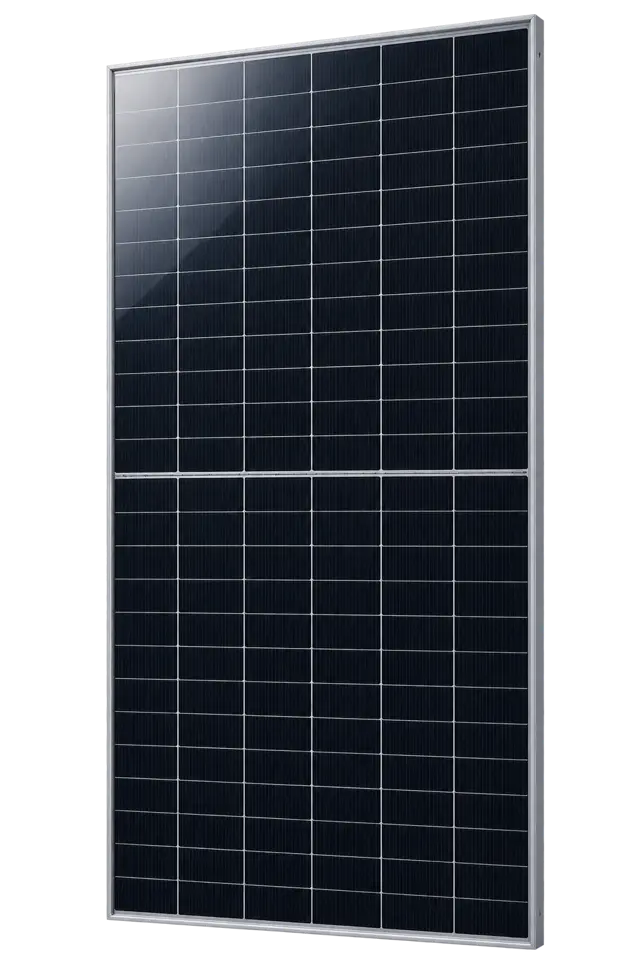
Bifacial dual-glass N-type HPDC module for ground-mount plants, 600–625 W, 23.0 % efficiency.
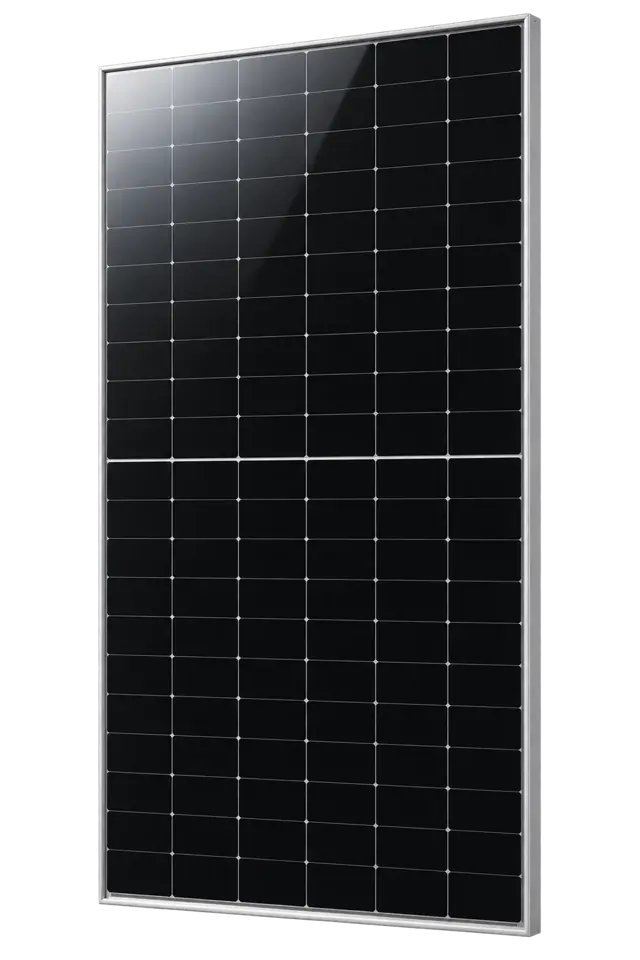
Monofacial HPBC module for commercial & industrial rooftops, 570–595 W, 22.8 % efficiency.
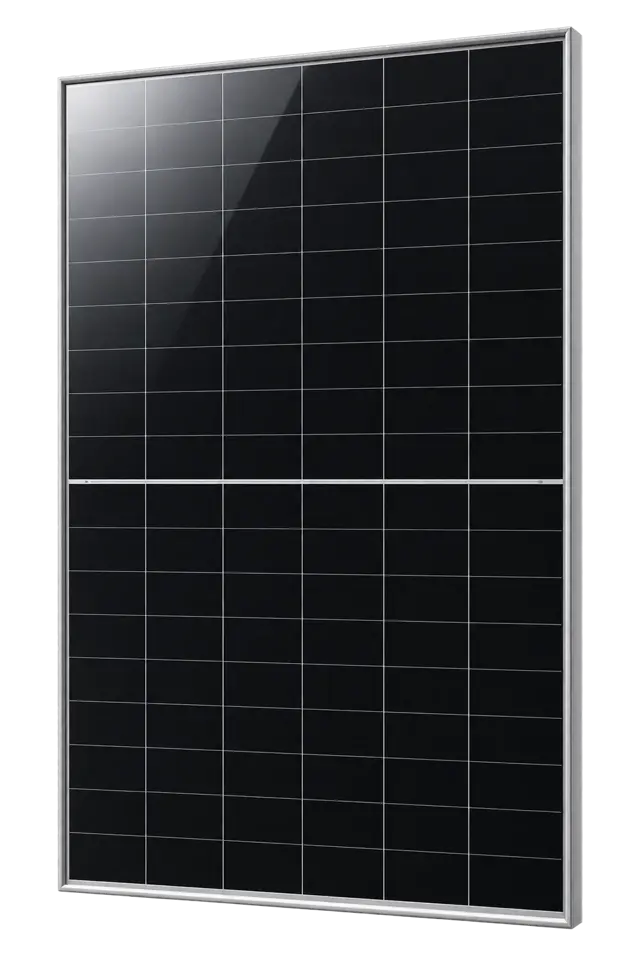
Residential back-contact rooftop module, 455–485 W, 23.3 % efficiency with anti-shading design.
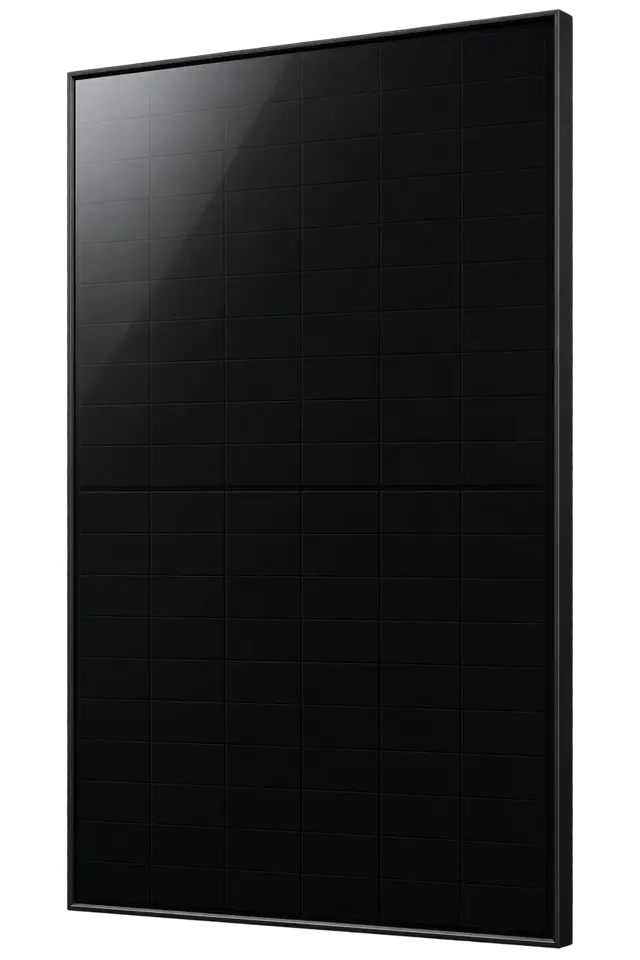
All-black aesthetic version for premium villas, 445–465 W, 22.5 % efficiency.
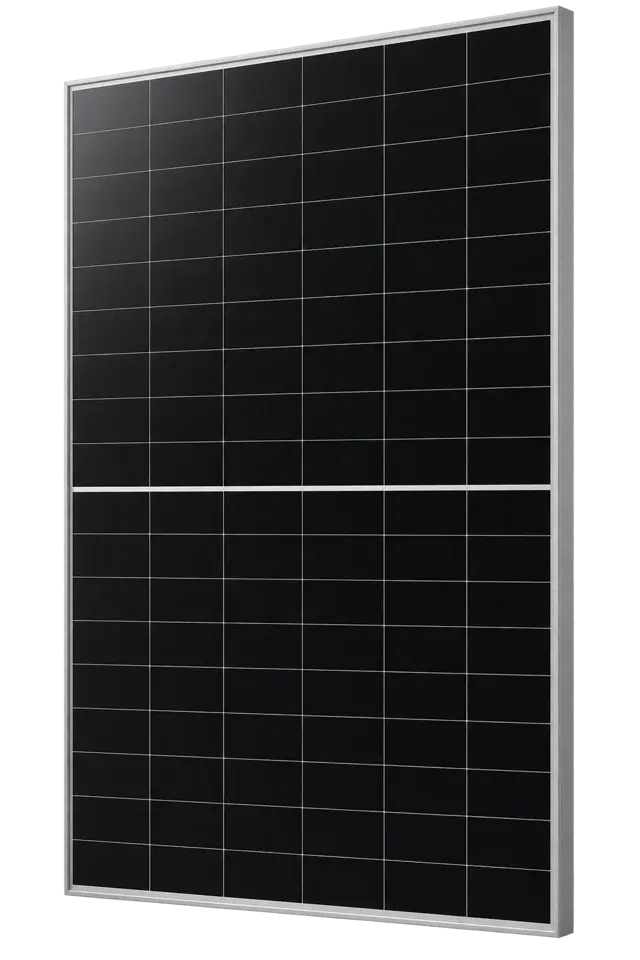
Residential HPBC 2.0 back-contact module, 54-cell format, around 480 W with strong partial-shade behaviour.
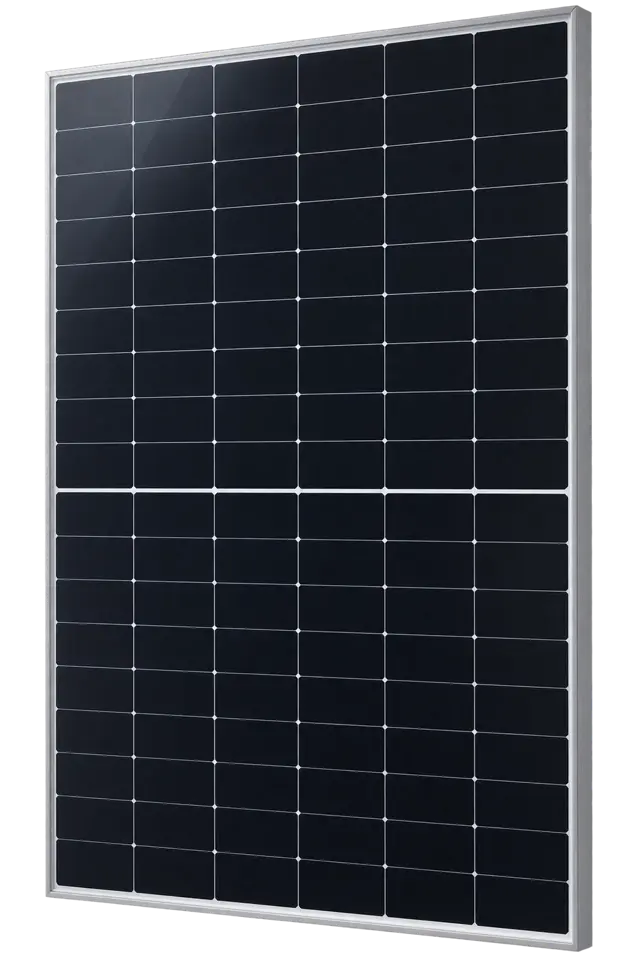
Rooftop HPBC back-contact module on 182 mm wafers, 415–435 W, around 22 % efficiency.
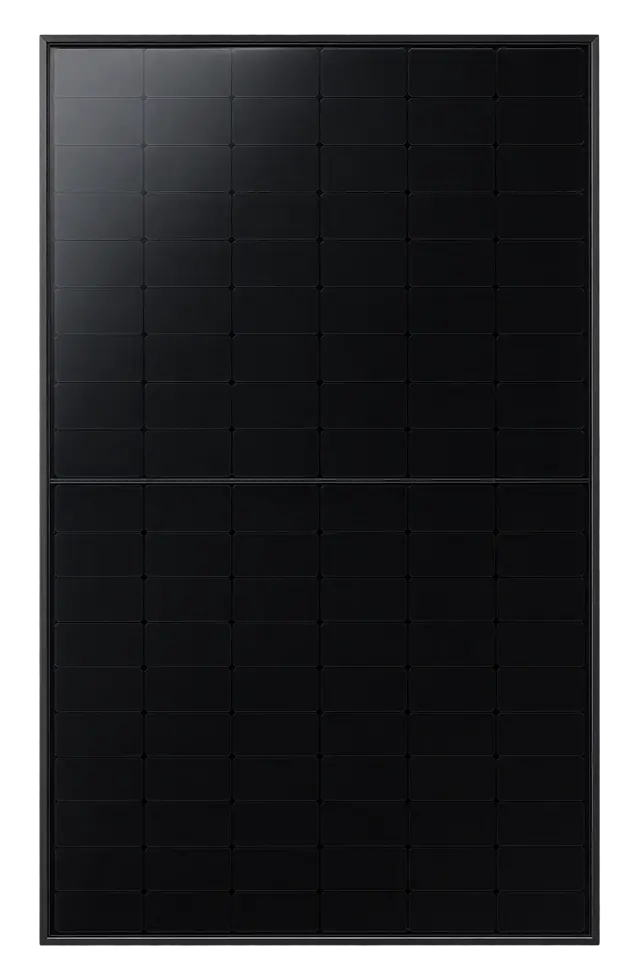
All-black residential back-contact module with black frame and backsheet, around 420 W.
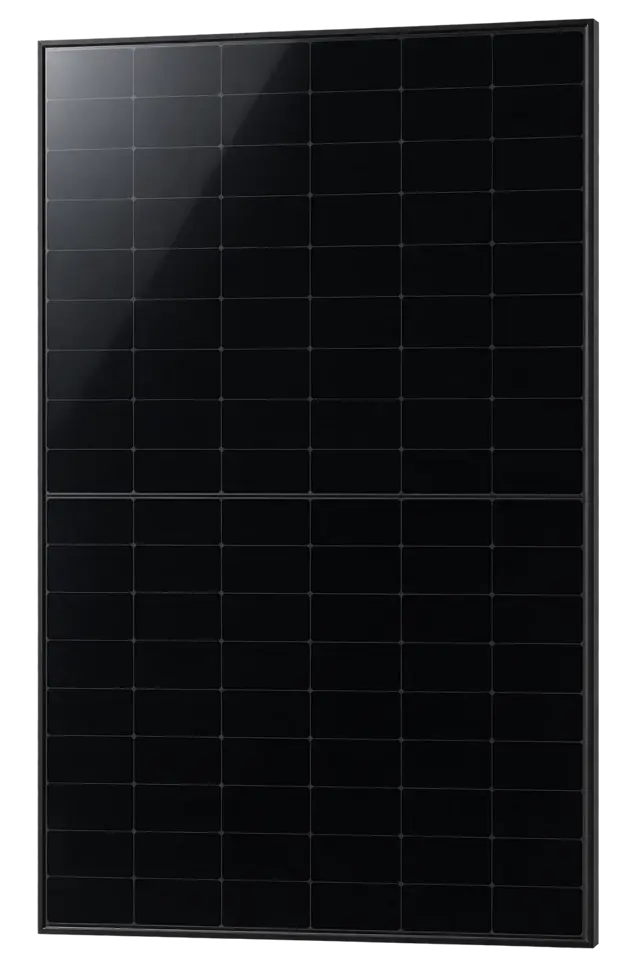
Premium all-black HPBC 2.0 rooftop module with extended warranty, around 450 W and 23 % efficiency.
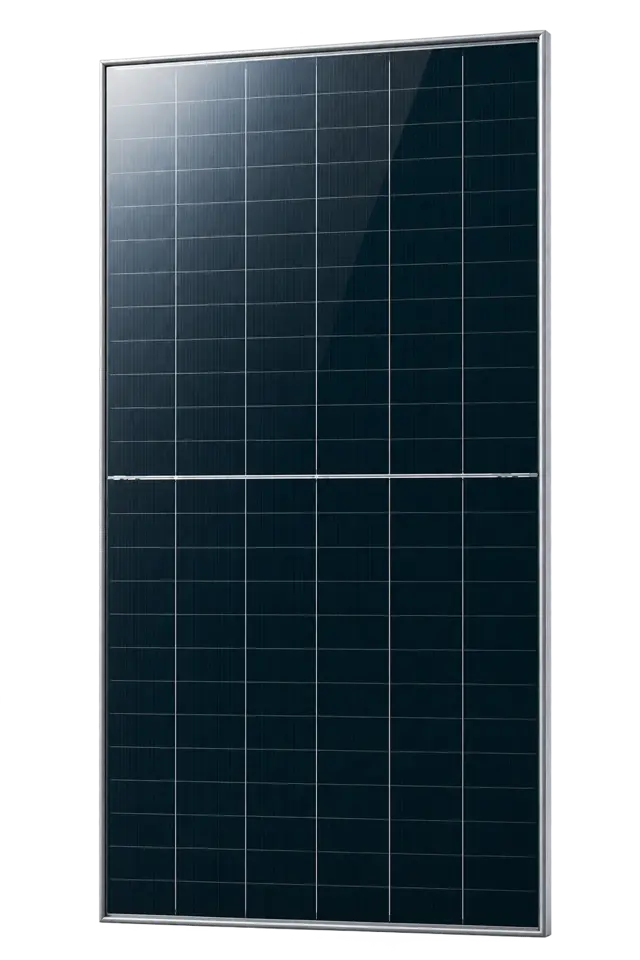
N-type TOPCon bifacial dual-glass module, 695–720 W, 23.2 % efficiency. Our utility-scale reference product.
