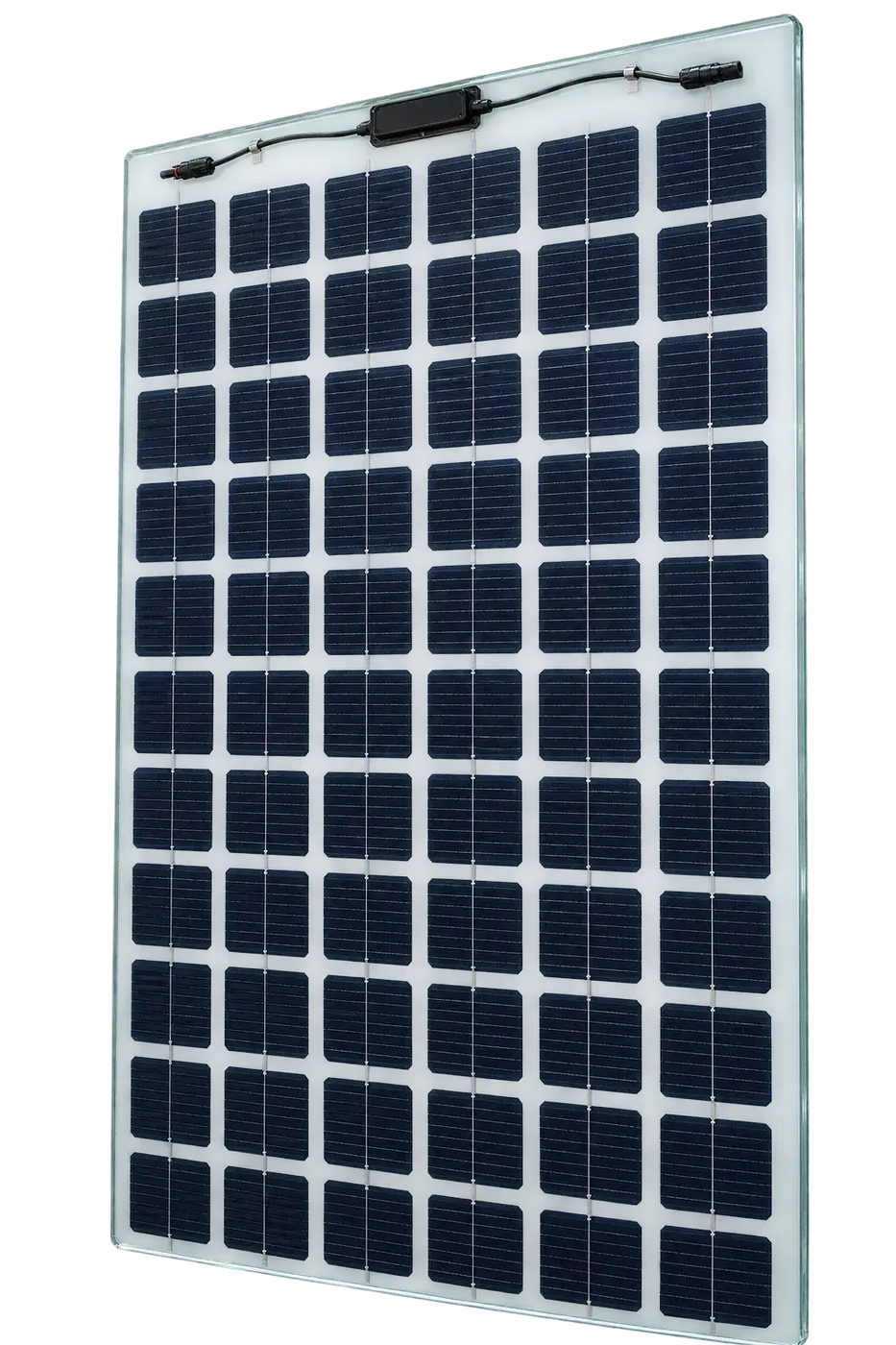
By spacing the cells apart in a clear glass-glass laminate, this module turns a pergola, walkway roof or terrace canopy into a dappled-shade generator. About 40 % of daylight passes between the cells, so the space below stays bright, while the cells block direct sun and much of the heat. Light reflected from the paving below also reaches the rear of the cells, giving a useful bifacial bonus of 5–10 % on light-coloured floors.
With fewer cells per square metre, output is around 260 W per 1.95 m² module, so cost per watt is higher than standard modules — the value is in replacing a glass or polycarbonate canopy. Use laminated safety glass rated for overhead glazing, design the supporting steel for the full glass weight (around 30 kg per module), and give the structure a slope of at least 5–10° so rain and dust wash off. Hide cabling in the purlins and specify black or clear-anodised frames to suit the design.
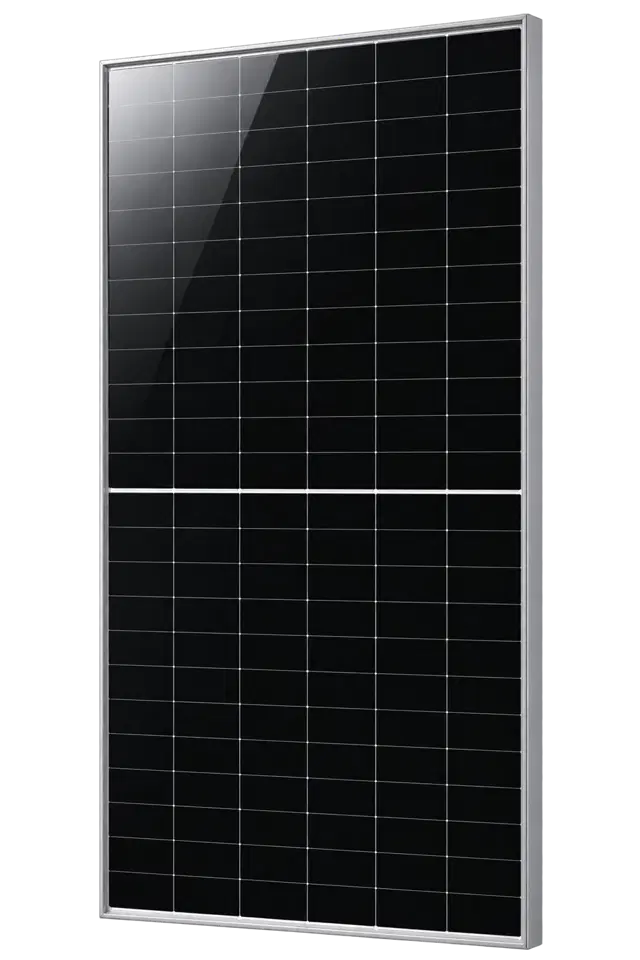
Utility-scale back-contact (HPBC 2.0) bifacial module, 640–670 W class, up to 24.8 % efficiency.
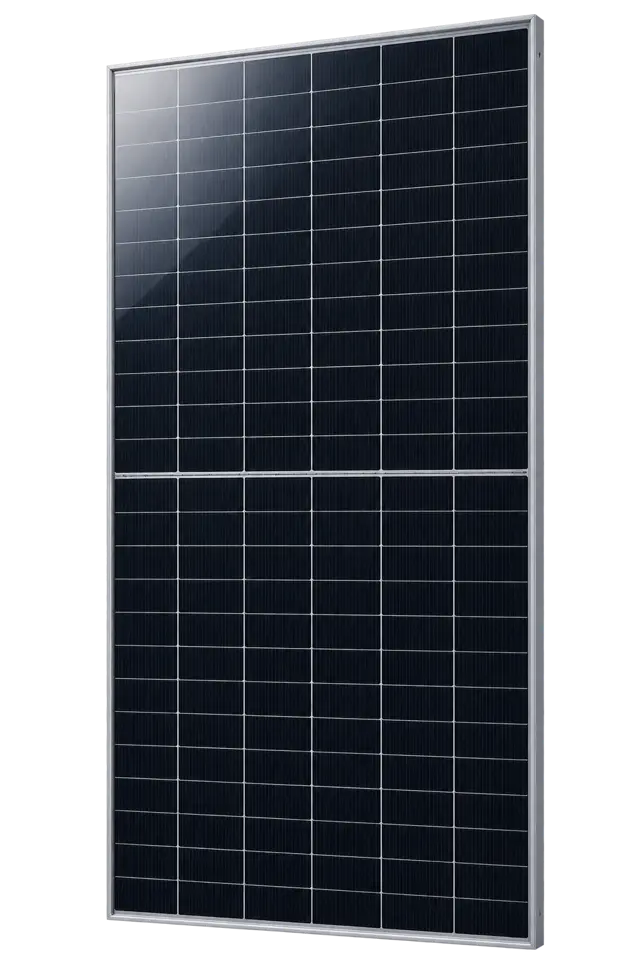
Bifacial dual-glass N-type HPDC module for ground-mount plants, 600–625 W, 23.0 % efficiency.
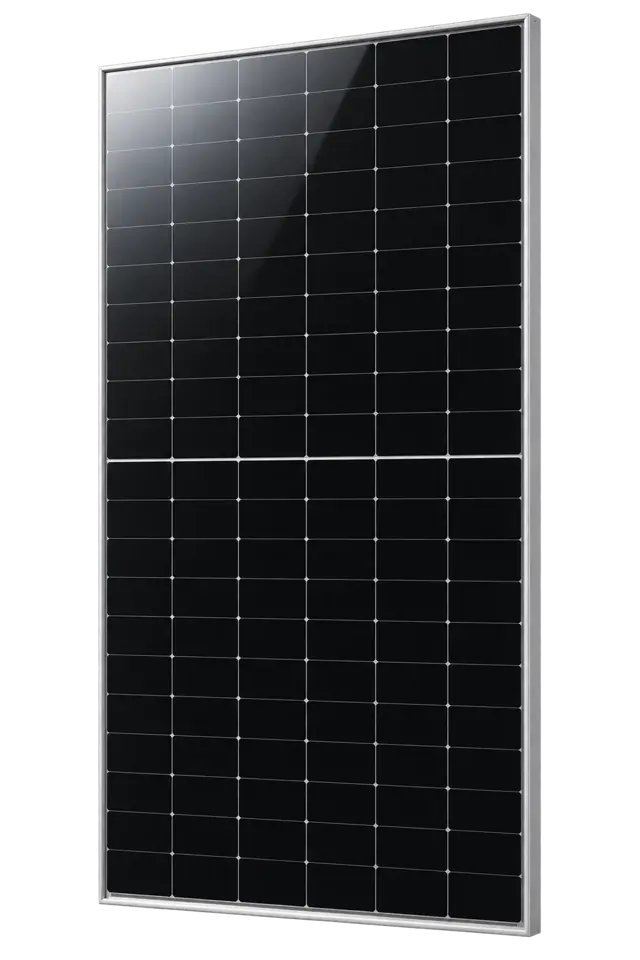
Monofacial HPBC module for commercial & industrial rooftops, 570–595 W, 22.8 % efficiency.
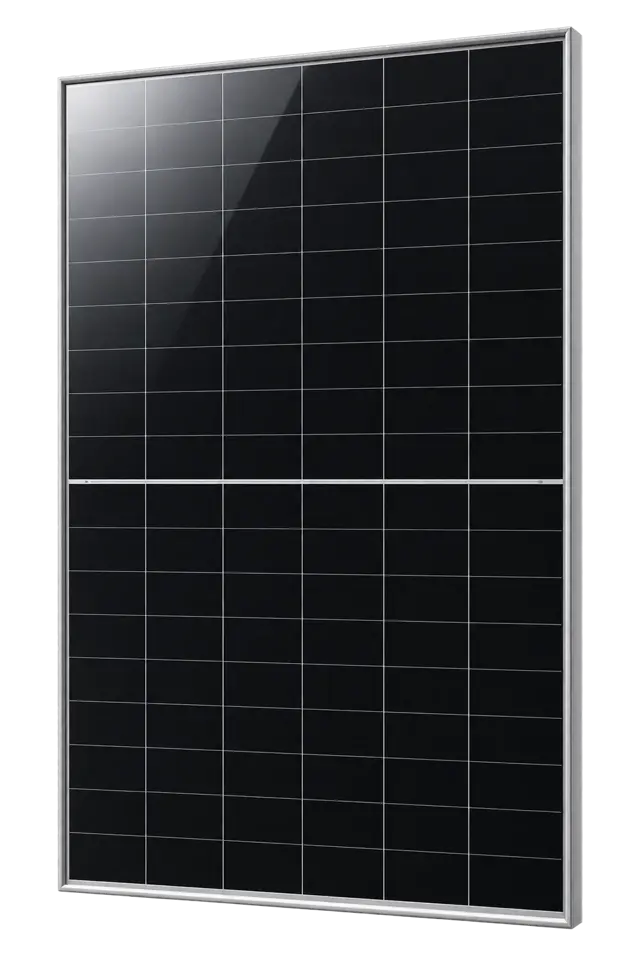
Residential back-contact rooftop module, 455–485 W, 23.3 % efficiency with anti-shading design.
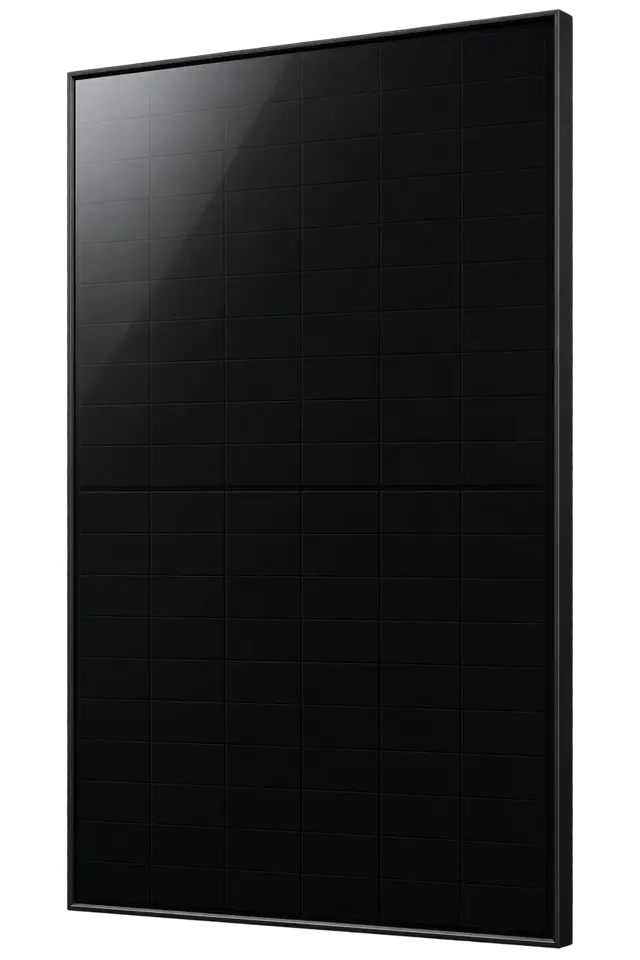
All-black aesthetic version for premium villas, 445–465 W, 22.5 % efficiency.
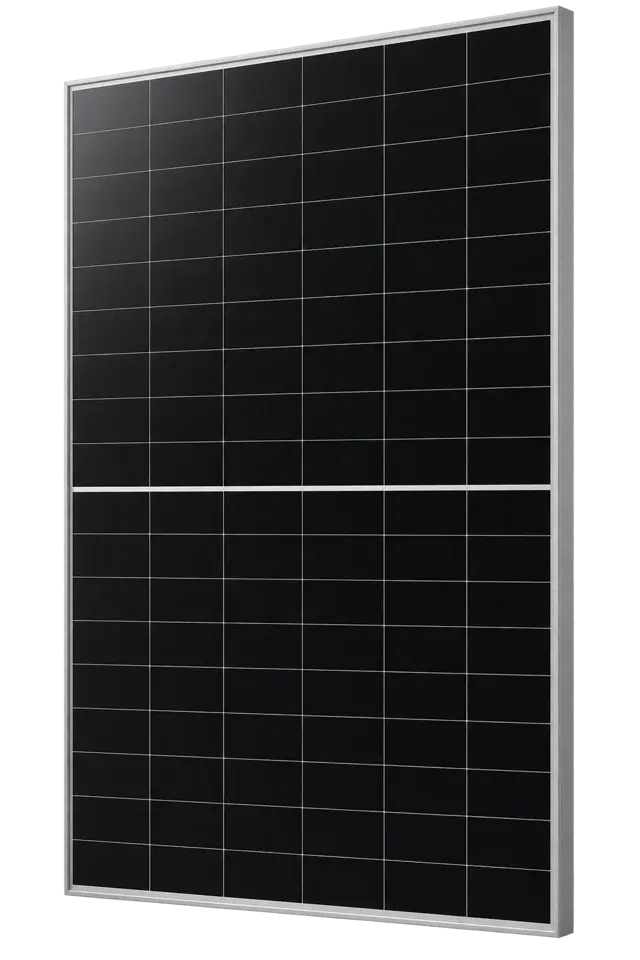
Residential HPBC 2.0 back-contact module, 54-cell format, around 480 W with strong partial-shade behaviour.
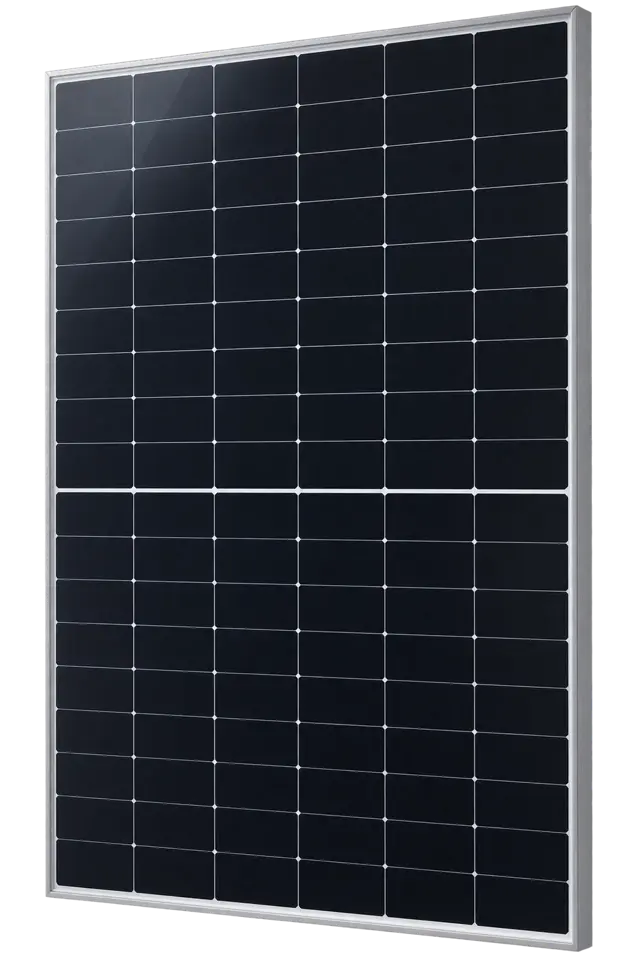
Rooftop HPBC back-contact module on 182 mm wafers, 415–435 W, around 22 % efficiency.
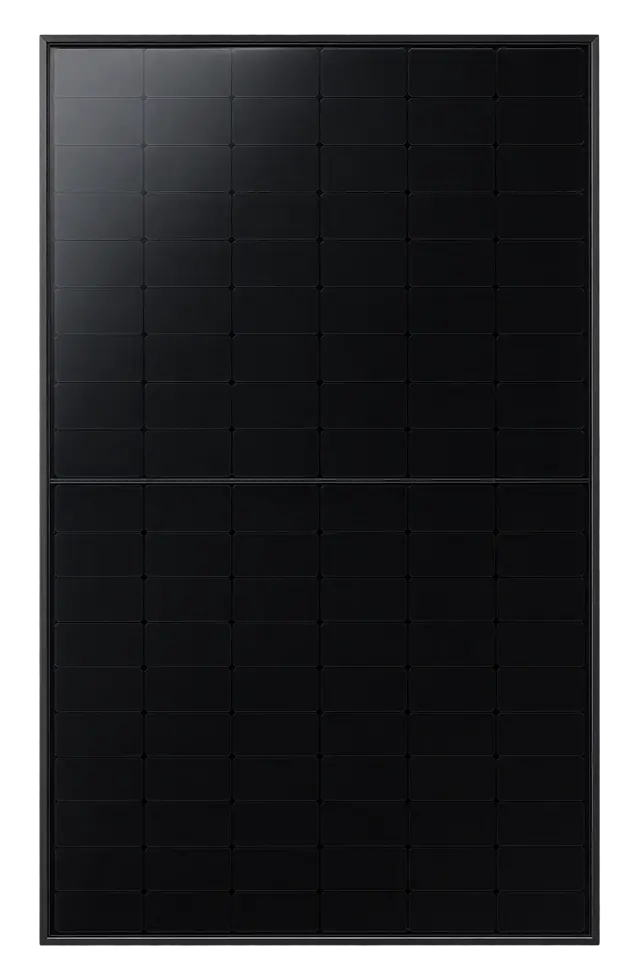
All-black residential back-contact module with black frame and backsheet, around 420 W.
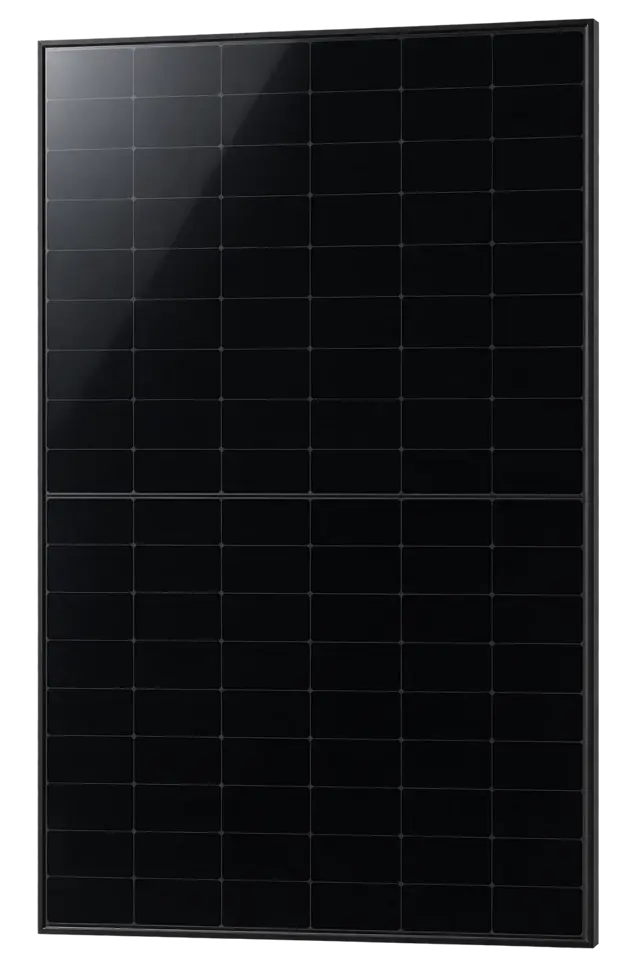
Premium all-black HPBC 2.0 rooftop module with extended warranty, around 450 W and 23 % efficiency.
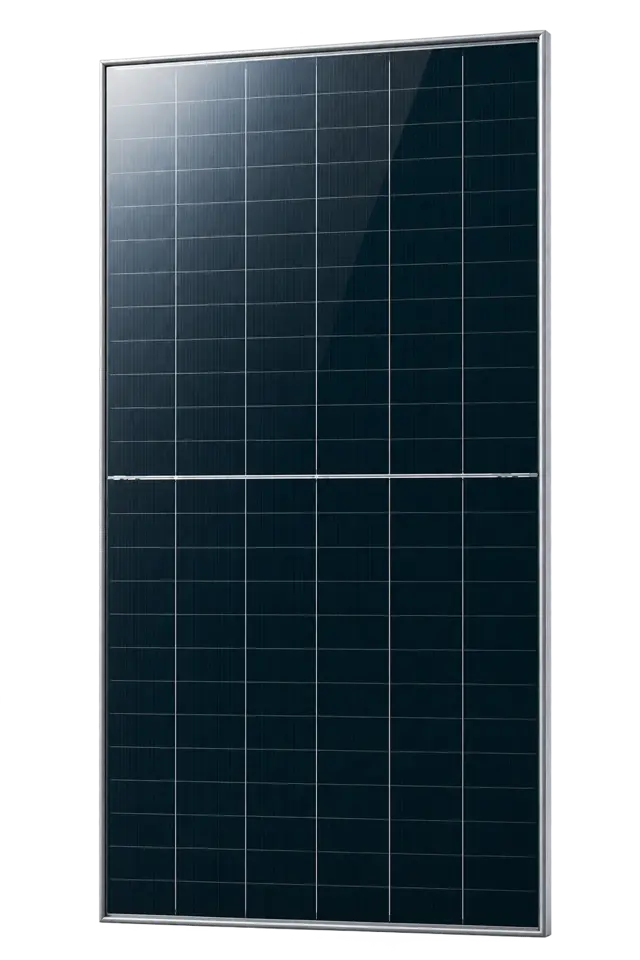
N-type TOPCon bifacial dual-glass module, 695–720 W, 23.2 % efficiency. Our utility-scale reference product.
