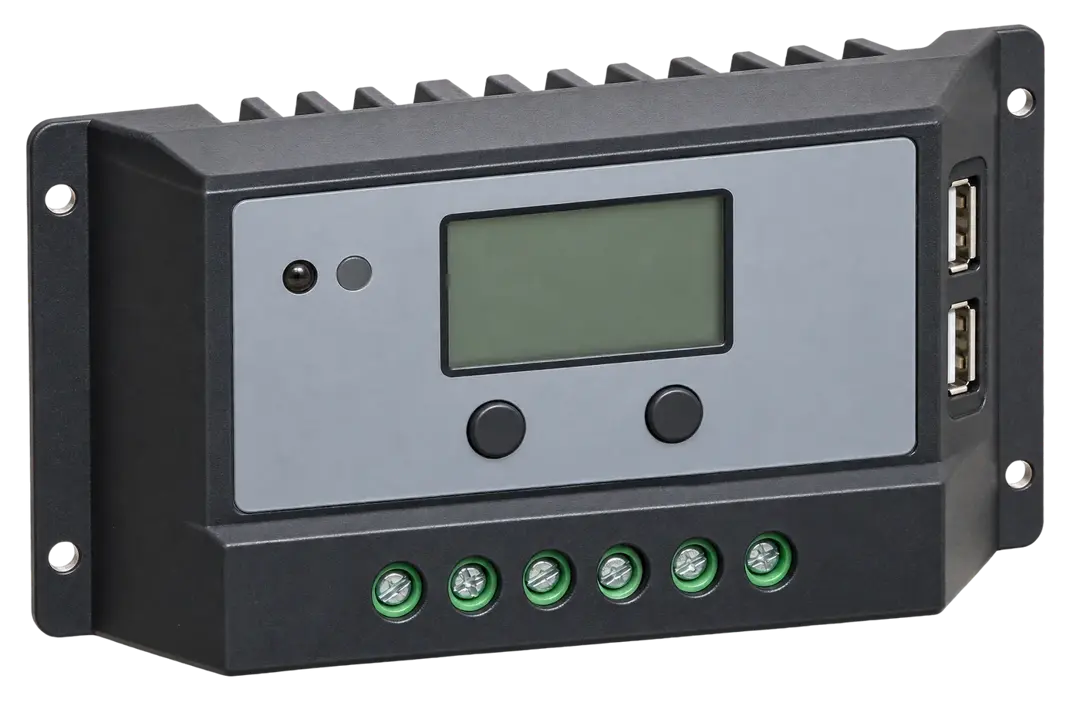
A PWM (pulse-width modulation) controller is essentially a fast electronic switch between panel and battery. During bulk charging it connects them directly, so the panel operates at battery voltage rather than its maximum power point; it then pulses the connection to hold absorption and float voltages. Because a 36-cell (12 V nominal) panel has Vmp around 18 V while a battery charges at 13–14.4 V, PWM wastes roughly 20–30 % of the available power — acceptable for small systems where the controller cost matters more.
Use PWM only with panels whose voltage class matches the battery: 36-cell or 12 V-rated panels for a 12 V bank, two in series for 24 V. Modern 54-, 60-, 66- or 72-cell grid modules (Vmp 30–45 V) must not be used on a 12 V PWM controller — most of their power is lost. For those, choose MPPT.
The 30 A rating covers about 400 W at 12 V or 800 W at 24 V, with a margin for cold-morning current spikes. The built-in load output switches DC lights by dusk-to-dawn timer and disconnects loads at low battery voltage. Select the correct battery profile — LFP needs a 14.2–14.6 V absorption with no equalisation — and fit the controller close to the battery with a fuse on each side.
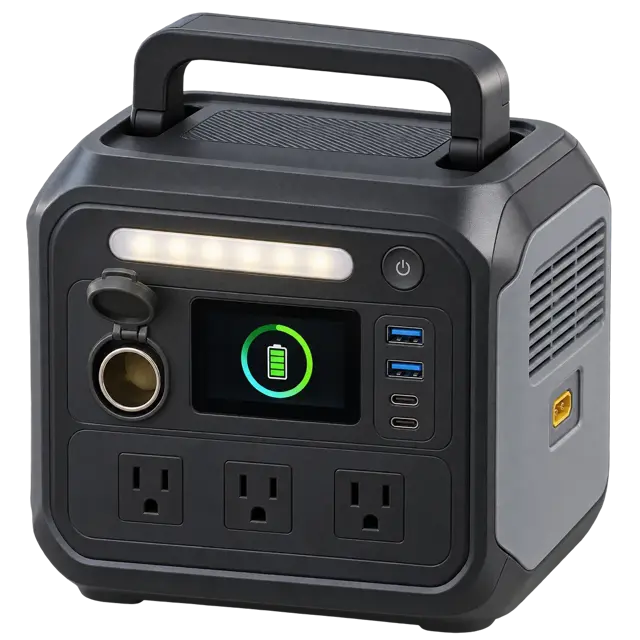
All-in-one battery, MPPT solar charger and pure-sine inverter in a carry case. Good for camping, site tools, mobile work and keeping essentials running at home.
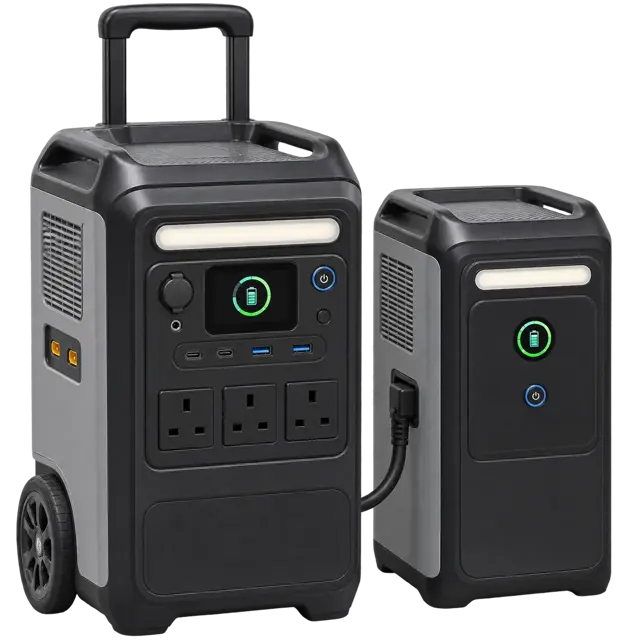
Wheeled LFP power unit with 3.6 kW inverter, dual MPPT inputs and add-on battery packs up to about 20 kWh: home backup with no installer needed.
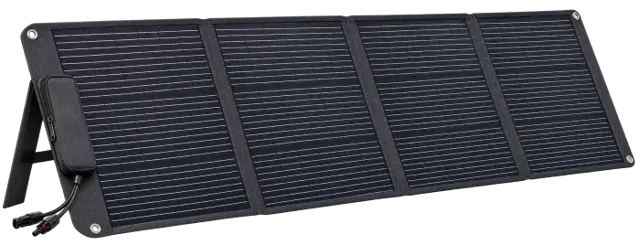
ETFE-laminated monocrystalline panel that folds into a briefcase with kickstands. Connects to power stations through an MC4 or XT60 adaptor.
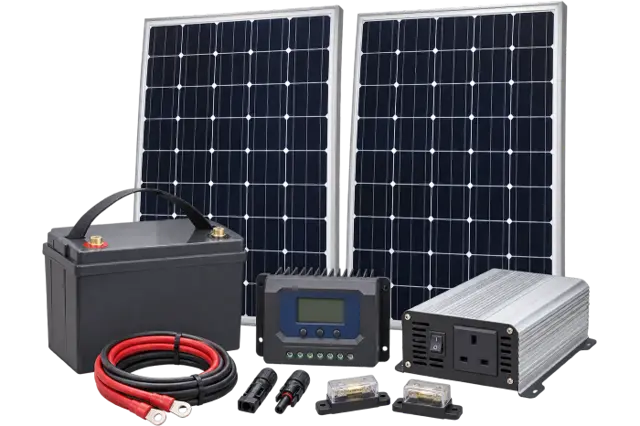
Complete small system for cabins, kiosks, campers and farm huts: 2 × 200 W panels, 30 A MPPT, 12.8 V 100 Ah LFP battery, 1 kW pure-sine inverter, cables and fuses.
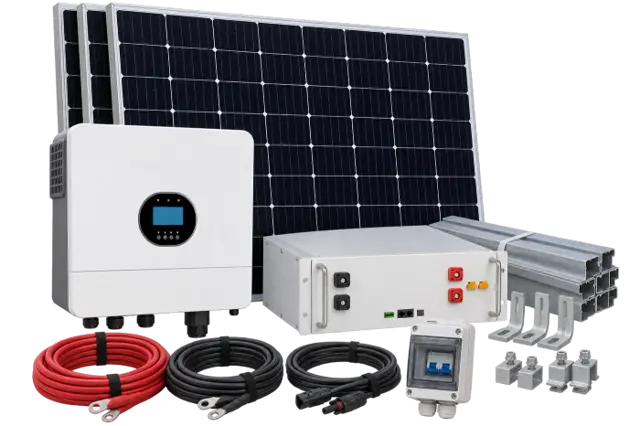
Cabin, farm or remote-site package: 1.5 kWp of modules, an all-in-one 3 kW inverter with built-in MPPT and charger, 25.6 V 200 Ah LFP, mounting and wiring.

Tracks the panel's maximum power point and converts excess voltage into charging current. Handles up to 3.2 kW of PV at 48 V, with Bluetooth monitoring and lithium profiles.

Heavy-duty controller for 48 V battery banks up to 5.8 kW of PV, with longer strings, parallel operation and network monitoring for farms, telecom and remote sites.
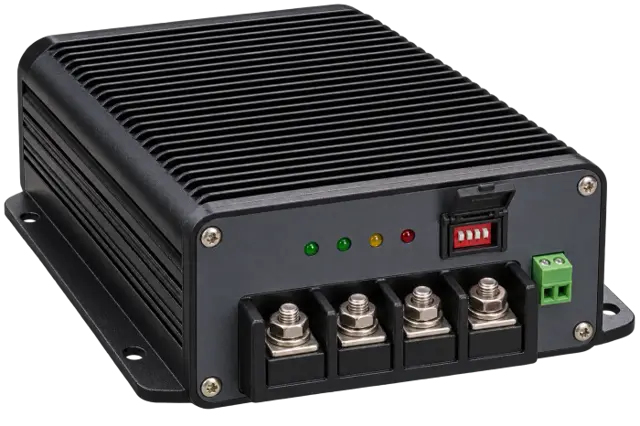
Charges a vehicle or boat house battery from the alternator and roof panels at the same time, with the correct lithium profile and starter-battery protection.
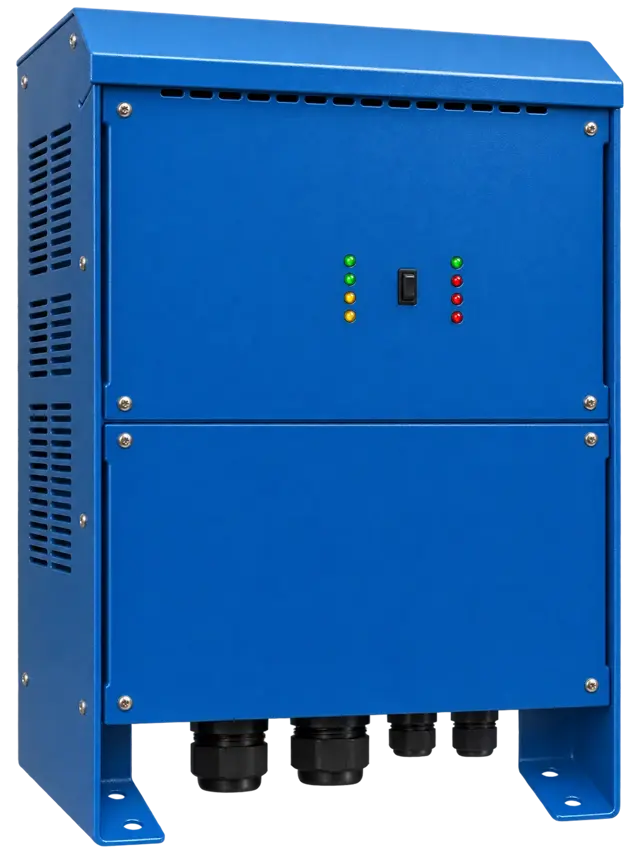
Transformer-based inverter with 3× surge capacity for motors, pumps and compressors, a built-in battery charger and automatic transfer from grid or generator.
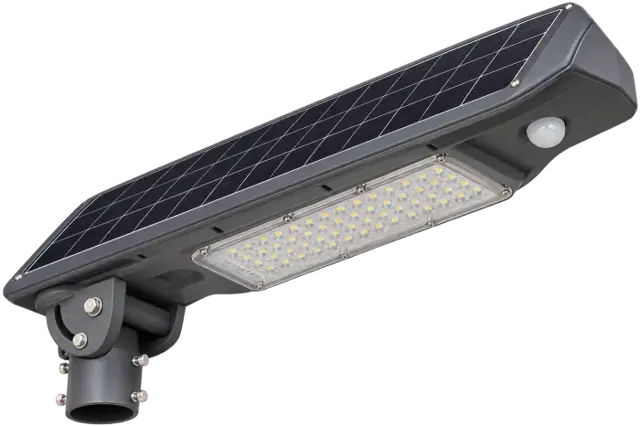
Panel, LFP battery, controller, LED head and motion sensor in one housing for 6–8 m poles. Lights roads, compounds and car parks with no trenching or grid connection.
