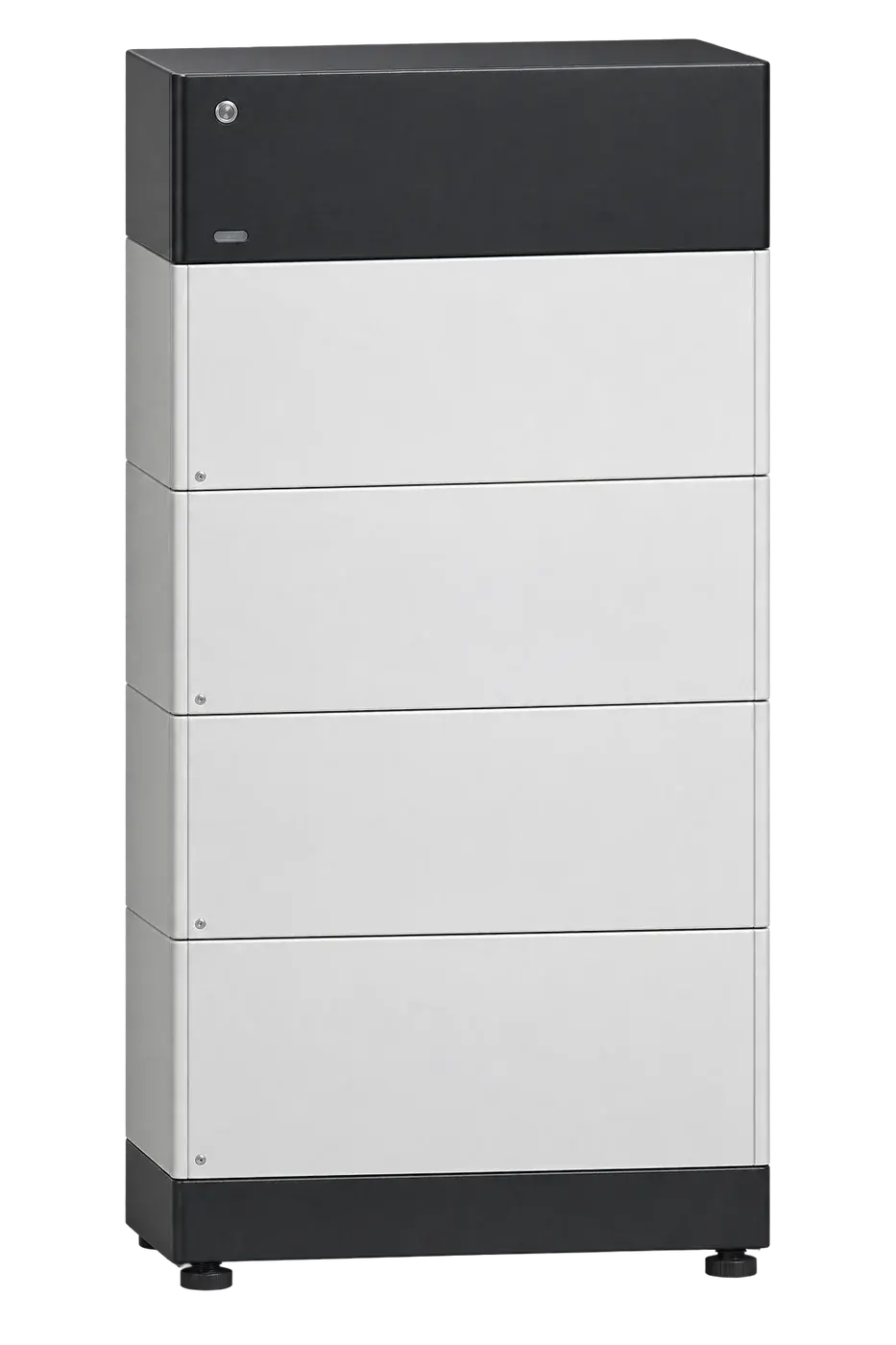
High-voltage (HV) batteries connect modules in series so the stack voltage (here about 410 V) matches the DC bus of the hybrid inverter. Currents are around 25 A instead of 200 A for the same power, which means thinner cables, less heat and higher round-trip efficiency (typically 95–96 %).
The stackable design needs no internal wiring: modules plug together on top of a base with the battery control unit (BCU). Extra modules can be added later, and up to three towers can run in parallel for 30+ kWh.
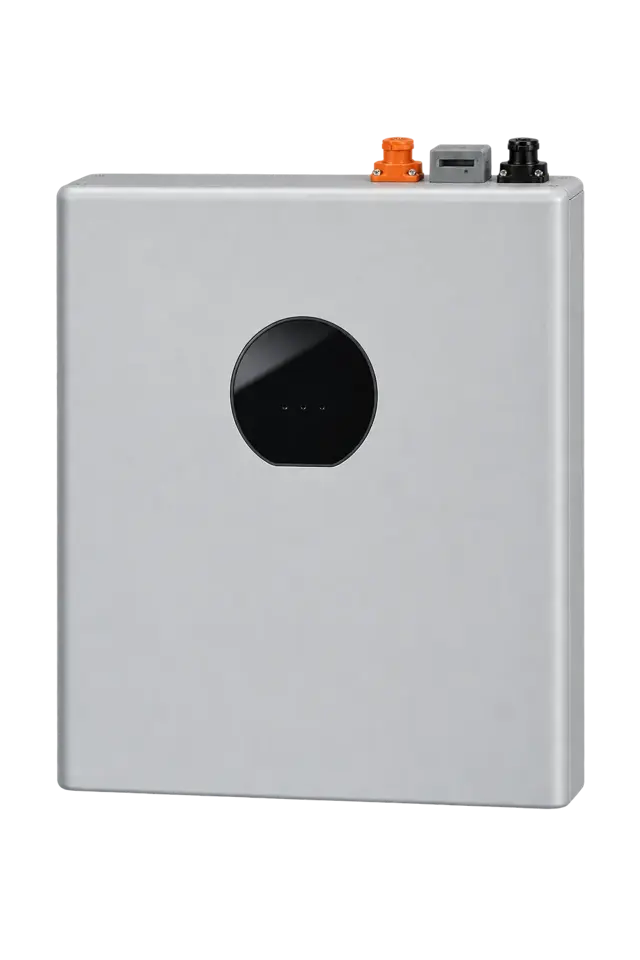
Low-voltage lithium iron phosphate home battery with built-in BMS, 6,000+ cycles and CAN/RS485 link to hybrid inverters.
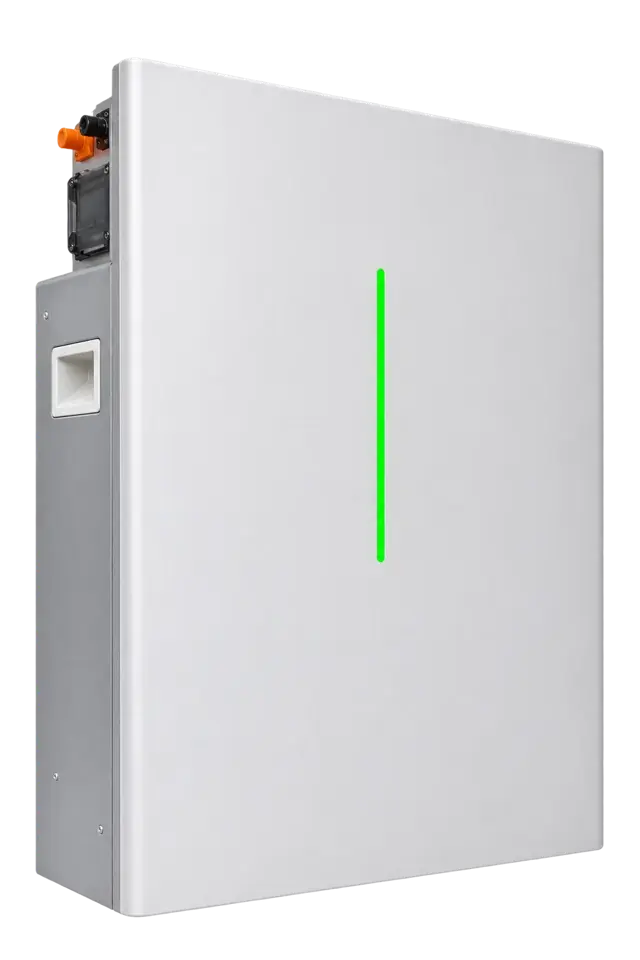
Higher-capacity 48 V home battery for evening self-consumption and overnight backup of a typical villa.
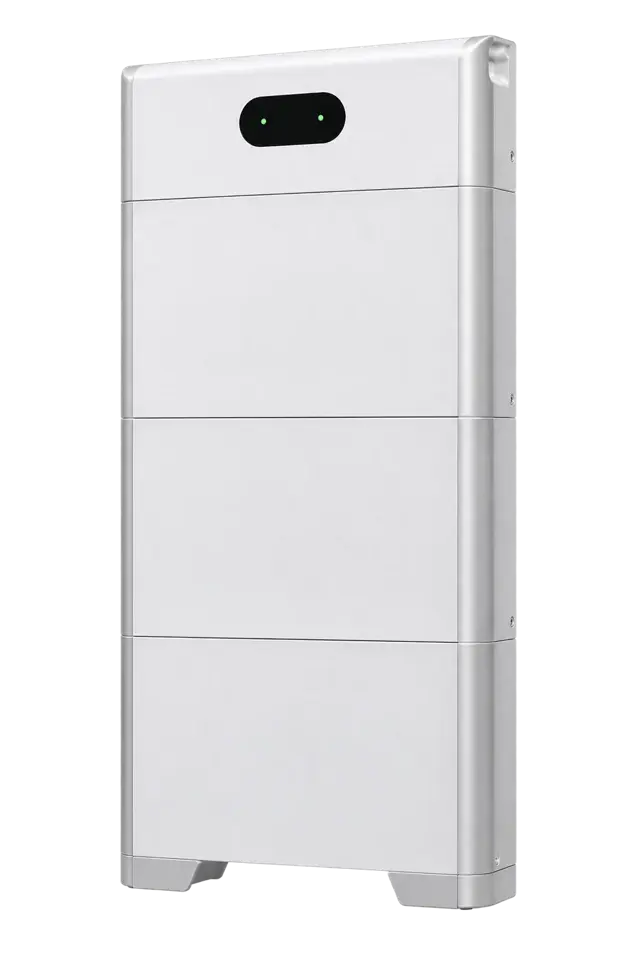
Three 5 kWh modules with module-level optimizers, 100 % usable capacity, for Huawei SUN2000 hybrid inverters.
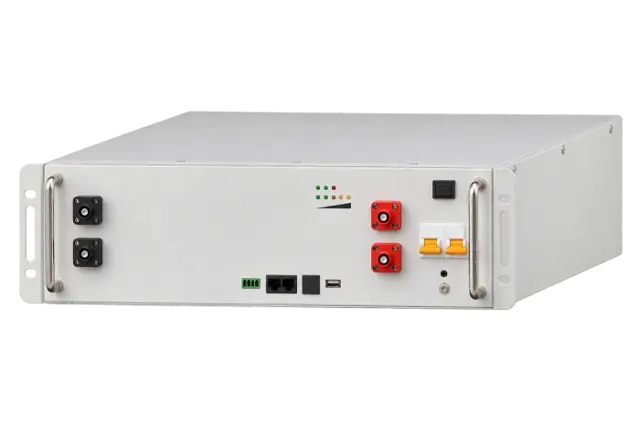
19-inch rack-mount LFP module for server-style battery cabinets in homes, telecom sites and small commercial systems.
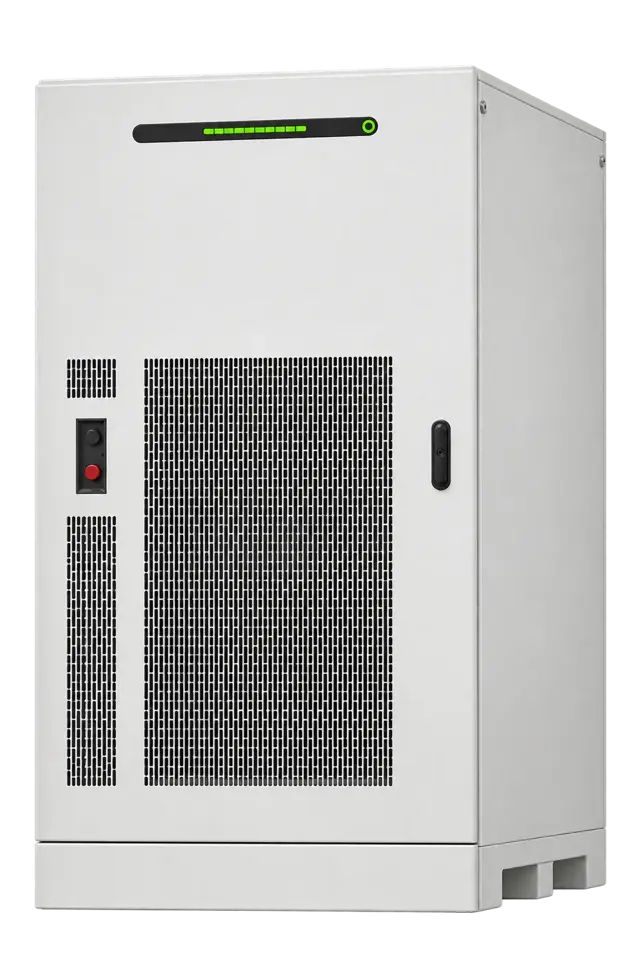
All-in-one cabinet with LFP battery, PCS, liquid cooling, fire suppression and EMS for peak shaving and solar self-consumption.

Grid-scale LFP storage block with 314 Ah cells in a standard 20-foot container, for solar firming, arbitrage and grid services.

Drop-in lithium replacement for 12 V lead-acid blocks: 1.28 kWh, a third of the weight, 4,000+ cycles — for cabins, boats, caravans, telecom and small off-grid kits.
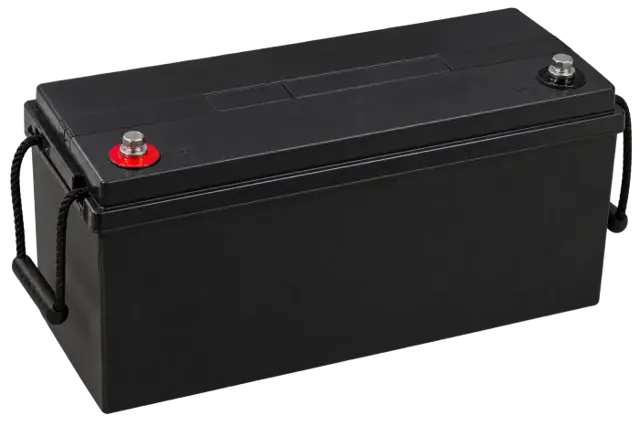
Sealed VRLA block with carbon-enhanced plates: the low-upfront-cost alternative to lithium, with more cycles than AGM or gel but lower usable depth and heat tolerance than LFP.
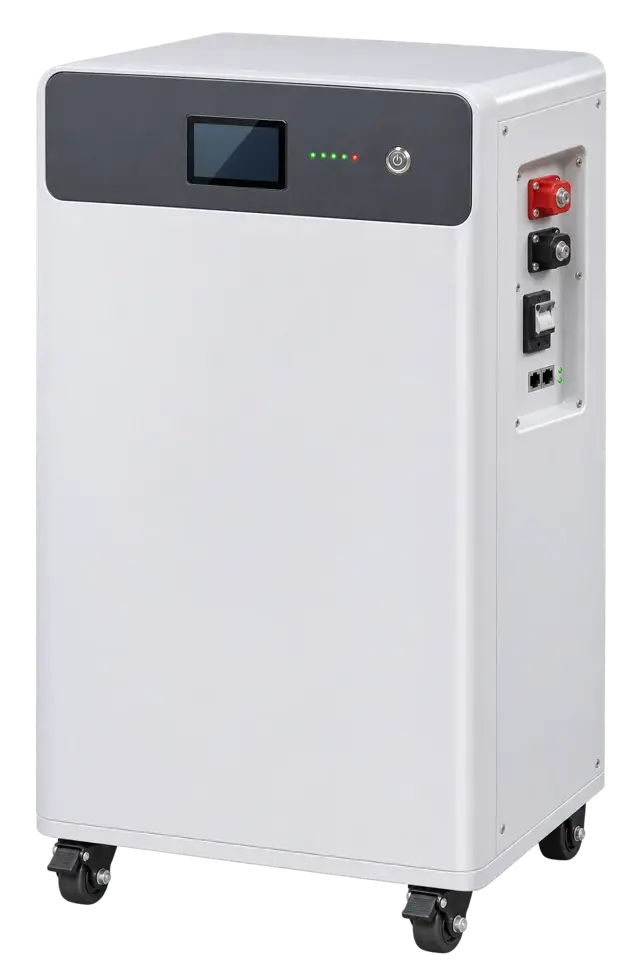
Single-cabinet 48 V battery built on 314 Ah prismatic cells — a whole villa's evening and night load in one box for low-voltage hybrid and off-grid inverters.
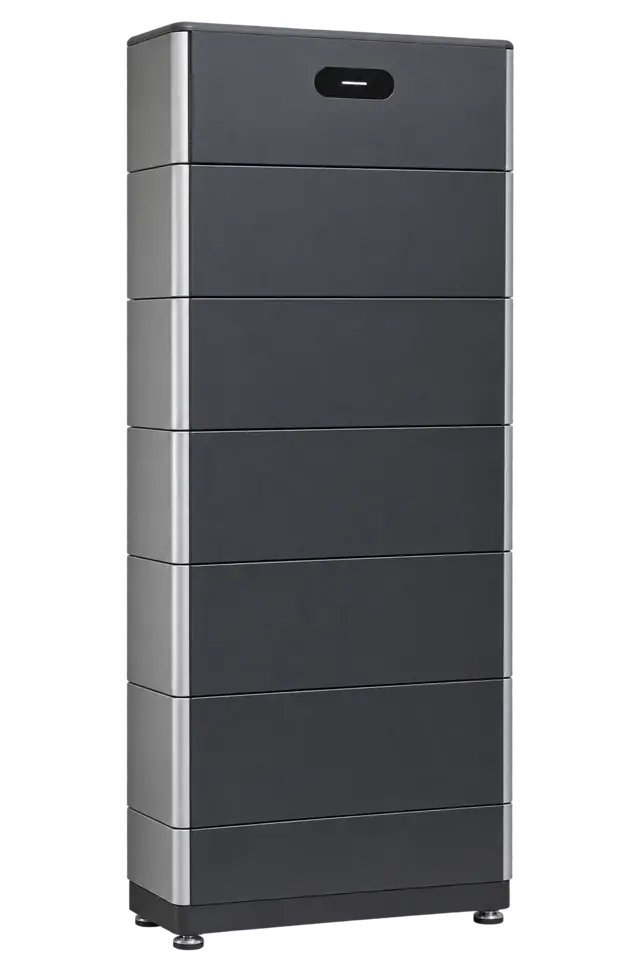
Plug-together LFP modules in series (about 300–600 V) under one control box — scalable storage for three-phase hybrid inverters in large villas and commercial buildings.
