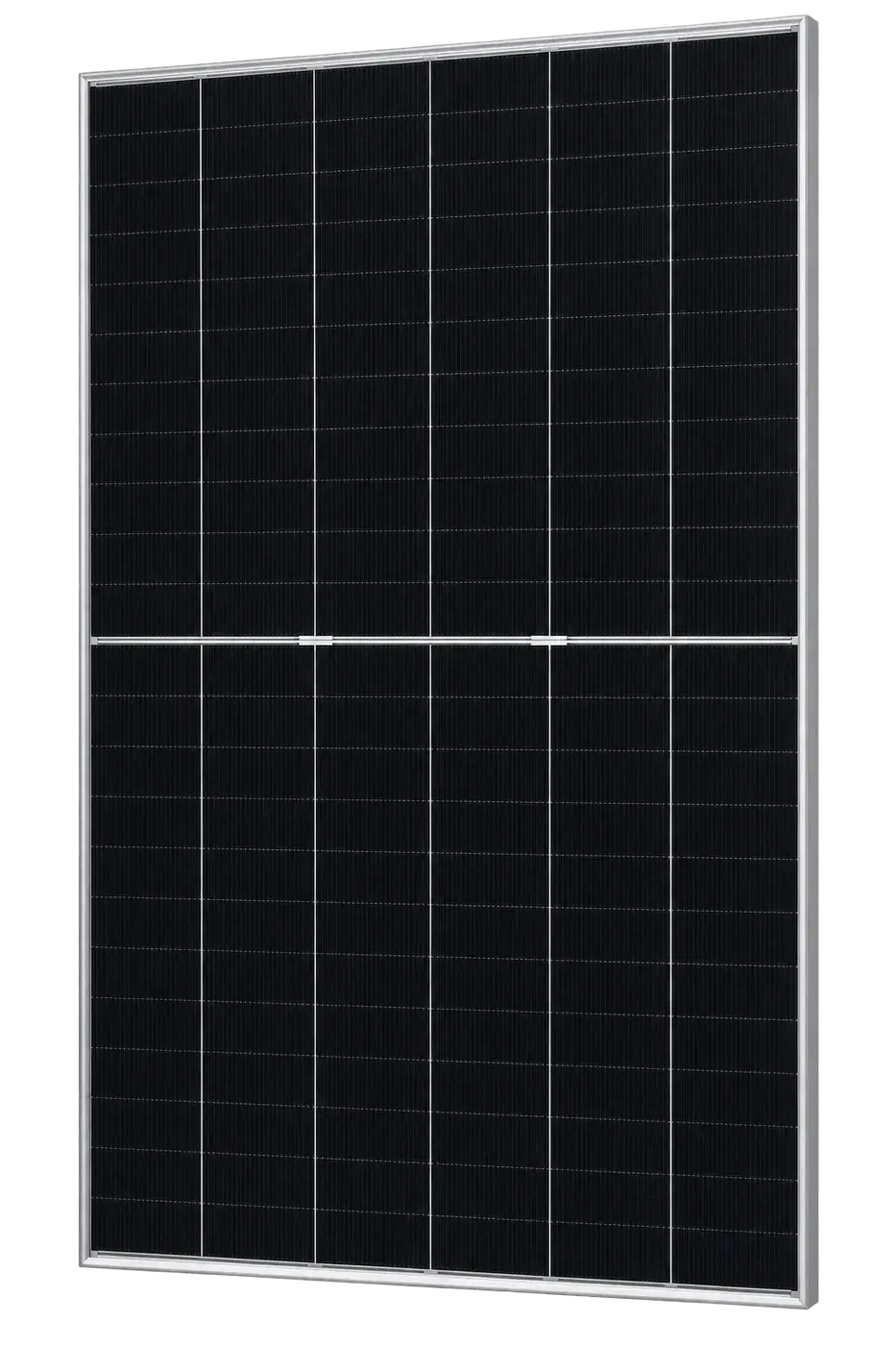
Pairing heterojunction cells with full 210 mm wafers produces the highest-power mainstream modules on the market, 720–740 W. Each module replaces about 1.2 modules of the 600 W class, lowering balance-of-system cost per watt on large plants, and HJT's thermal behaviour makes it particularly attractive in desert climates: at 70 °C cell temperature it loses about 11 % against STC, compared with 13 % for TOPCon and 15 % for PERC.
HJT's near-symmetrical cell gives 85 % or higher bifaciality, so on single-axis trackers over light sand the rear can add 8–12 %. Engineering notes: Isc around 18.4 A requires 20 A-rated inverter inputs and 6 mm² cable; at 38–39 kg the module needs proper lifting; and HJT laminates should be stored dry and in the original packaging until installation.
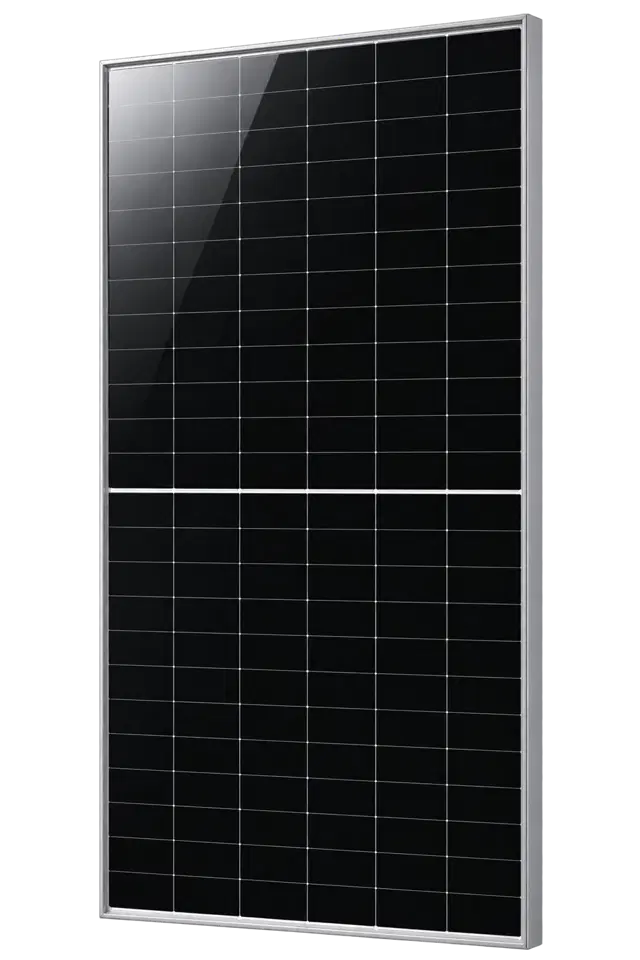
Utility-scale back-contact (HPBC 2.0) bifacial module, 640–670 W class, up to 24.8 % efficiency.
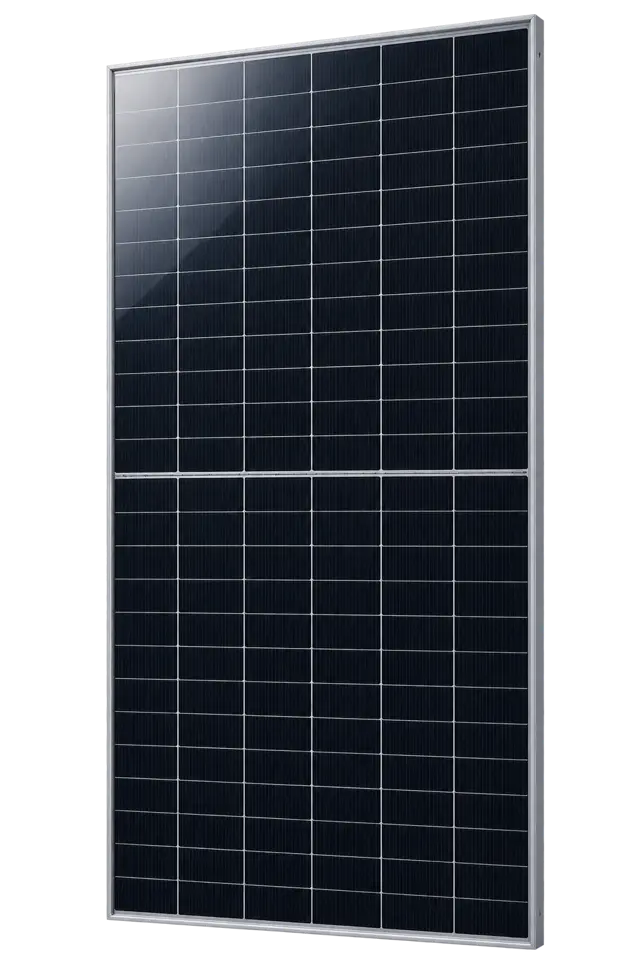
Bifacial dual-glass N-type HPDC module for ground-mount plants, 600–625 W, 23.0 % efficiency.
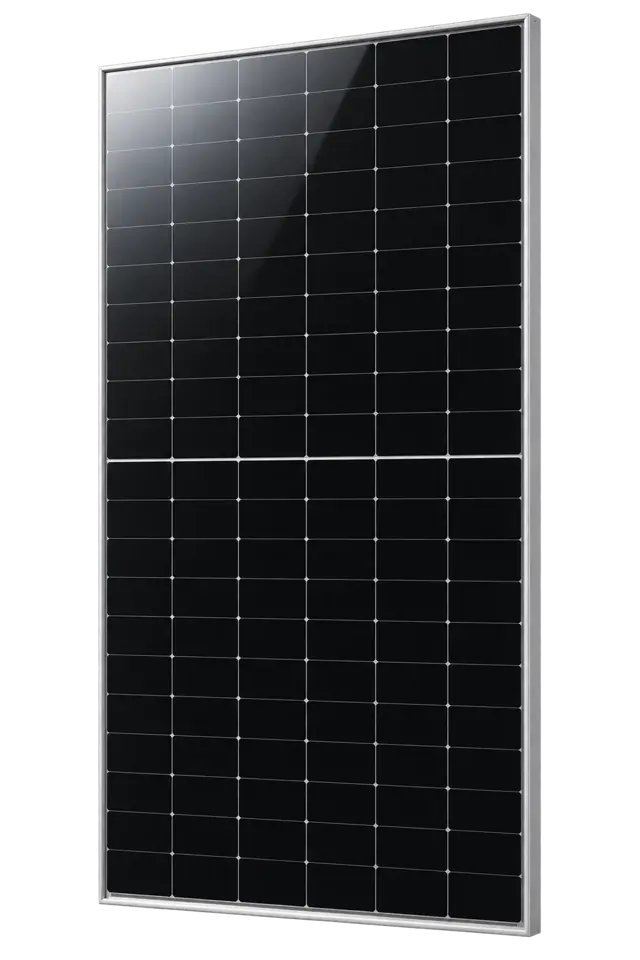
Monofacial HPBC module for commercial & industrial rooftops, 570–595 W, 22.8 % efficiency.
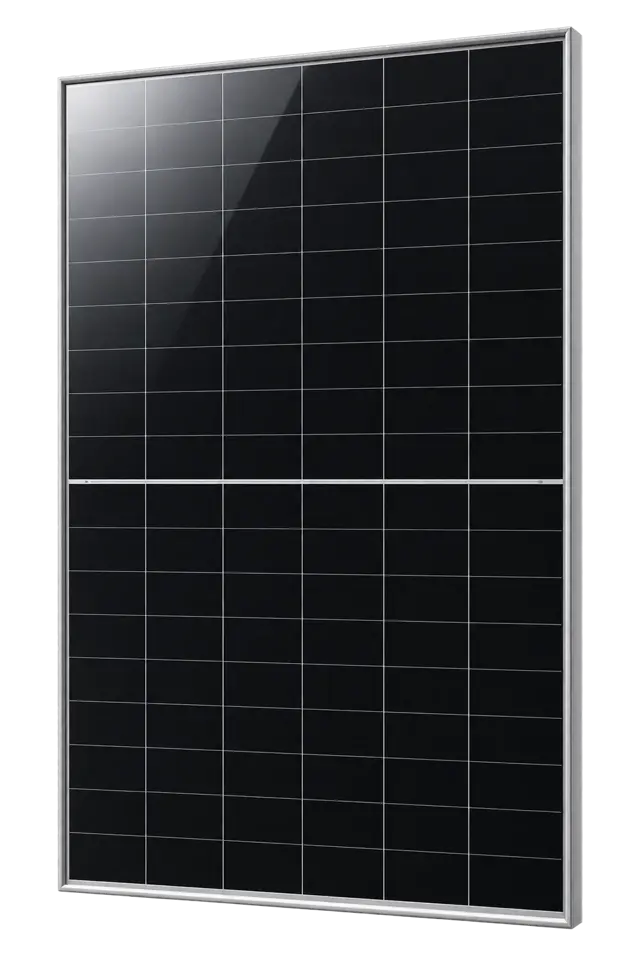
Residential back-contact rooftop module, 455–485 W, 23.3 % efficiency with anti-shading design.
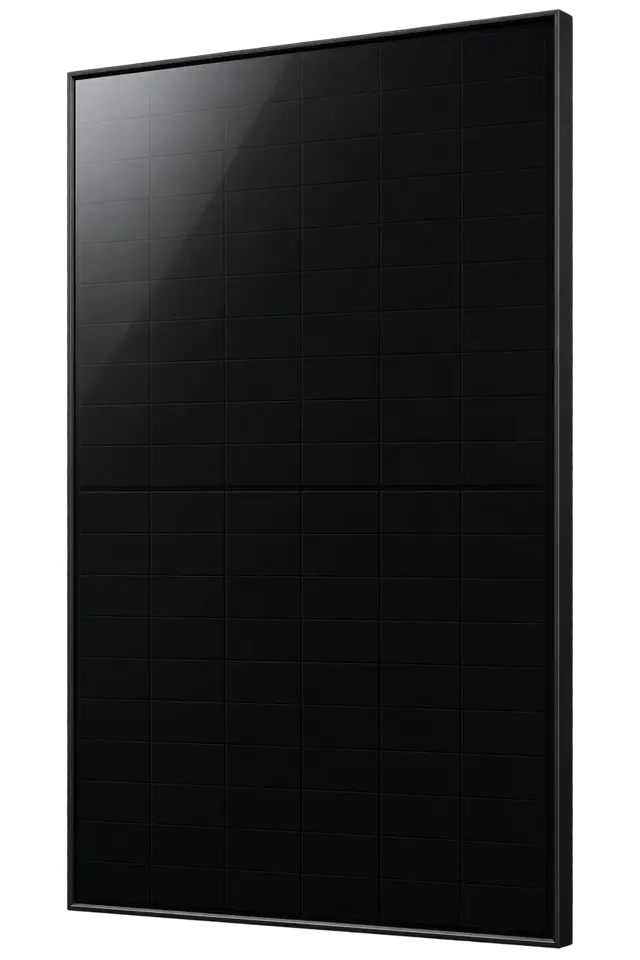
All-black aesthetic version for premium villas, 445–465 W, 22.5 % efficiency.
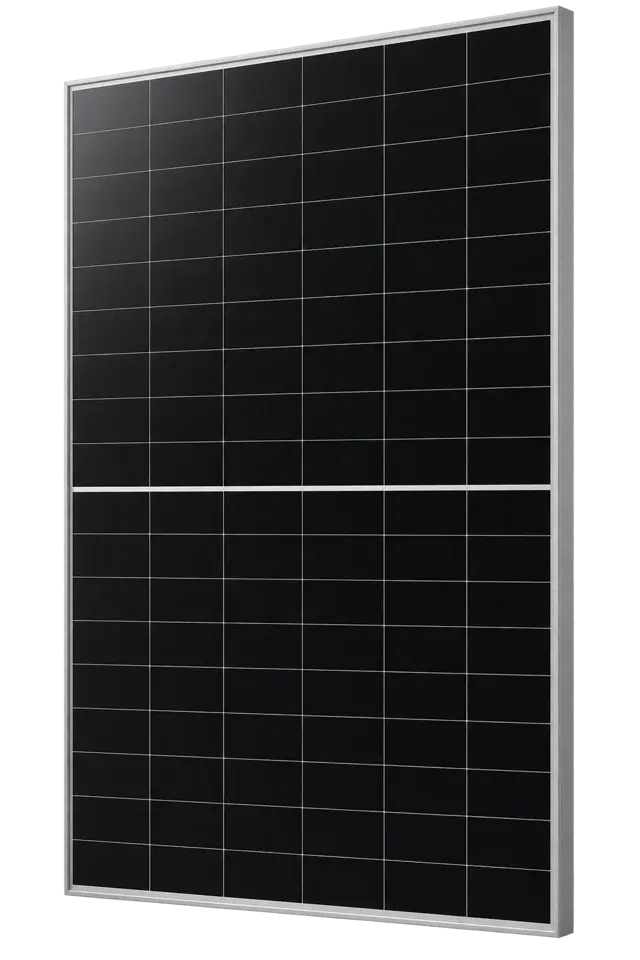
Residential HPBC 2.0 back-contact module, 54-cell format, around 480 W with strong partial-shade behaviour.
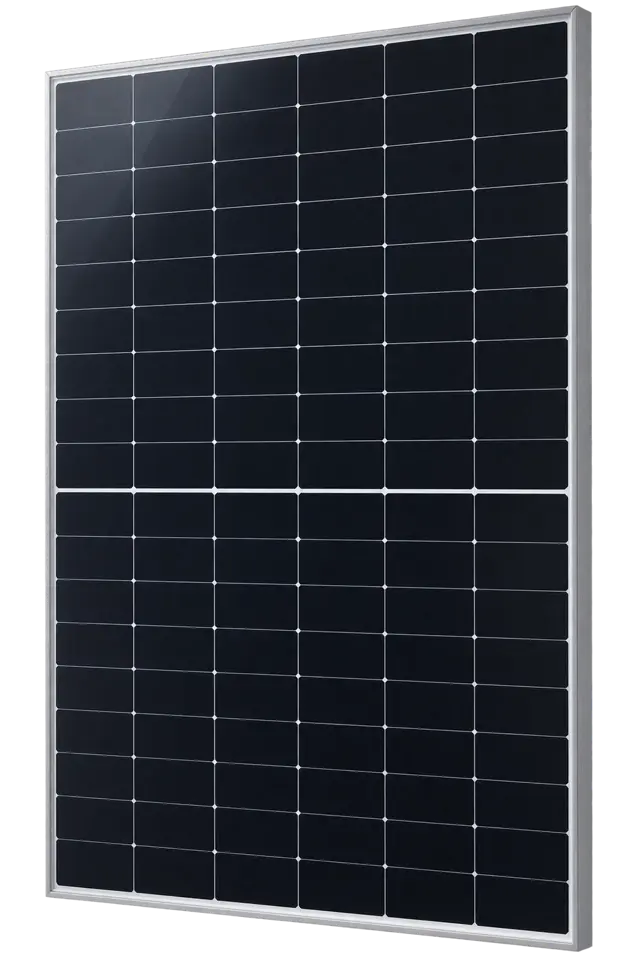
Rooftop HPBC back-contact module on 182 mm wafers, 415–435 W, around 22 % efficiency.
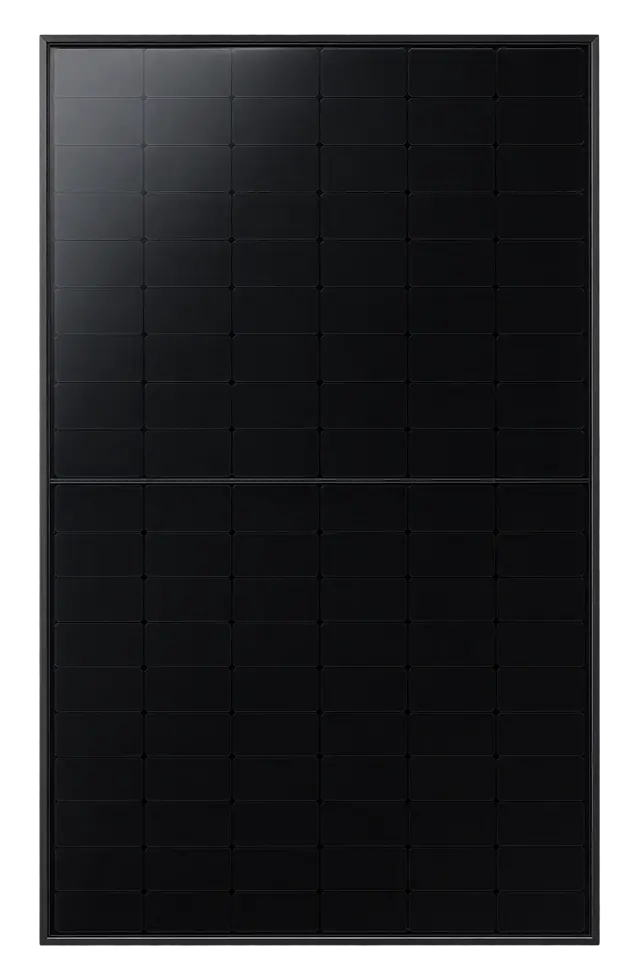
All-black residential back-contact module with black frame and backsheet, around 420 W.
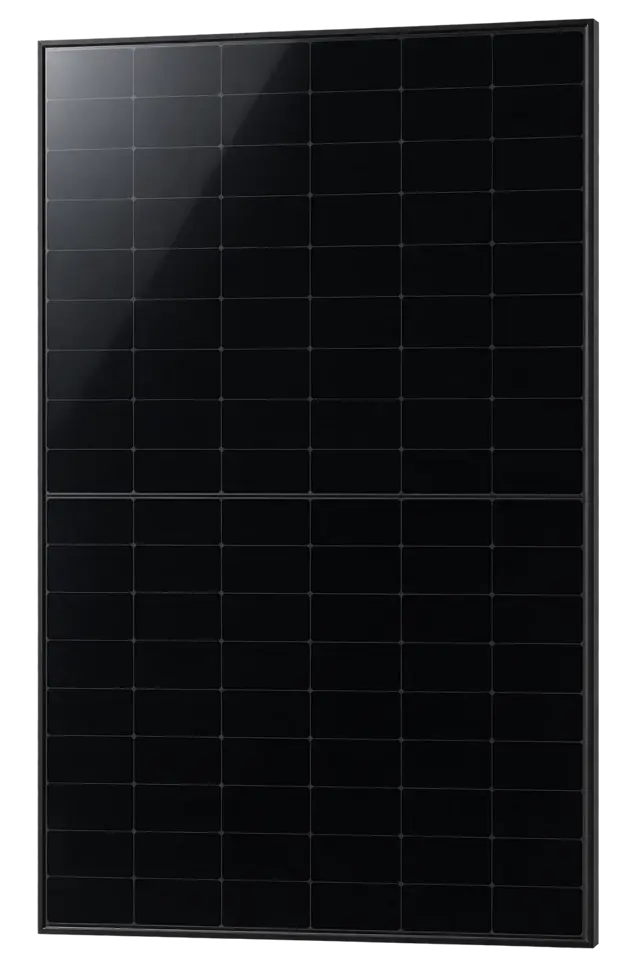
Premium all-black HPBC 2.0 rooftop module with extended warranty, around 450 W and 23 % efficiency.
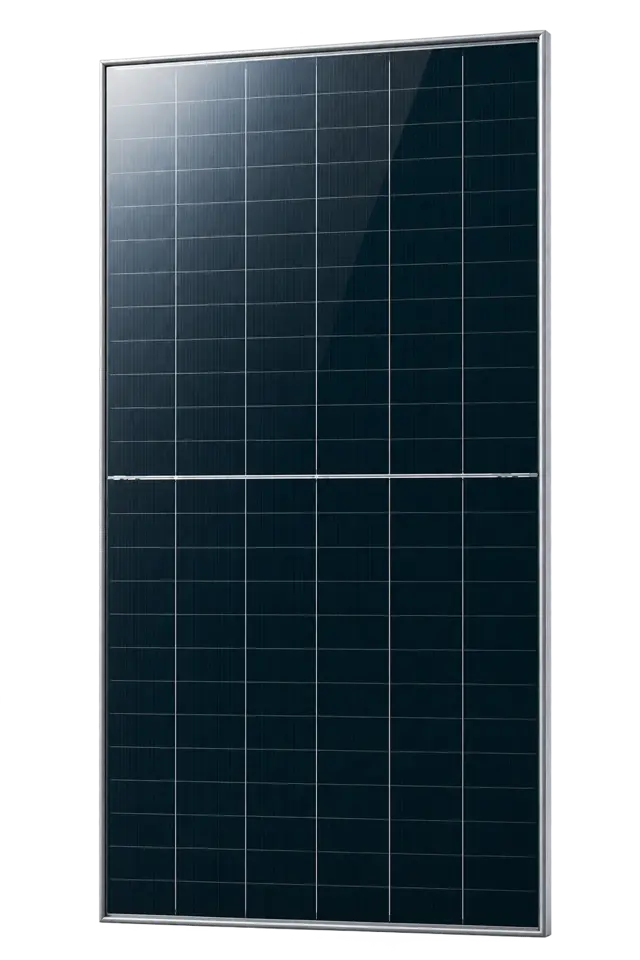
N-type TOPCon bifacial dual-glass module, 695–720 W, 23.2 % efficiency. Our utility-scale reference product.
