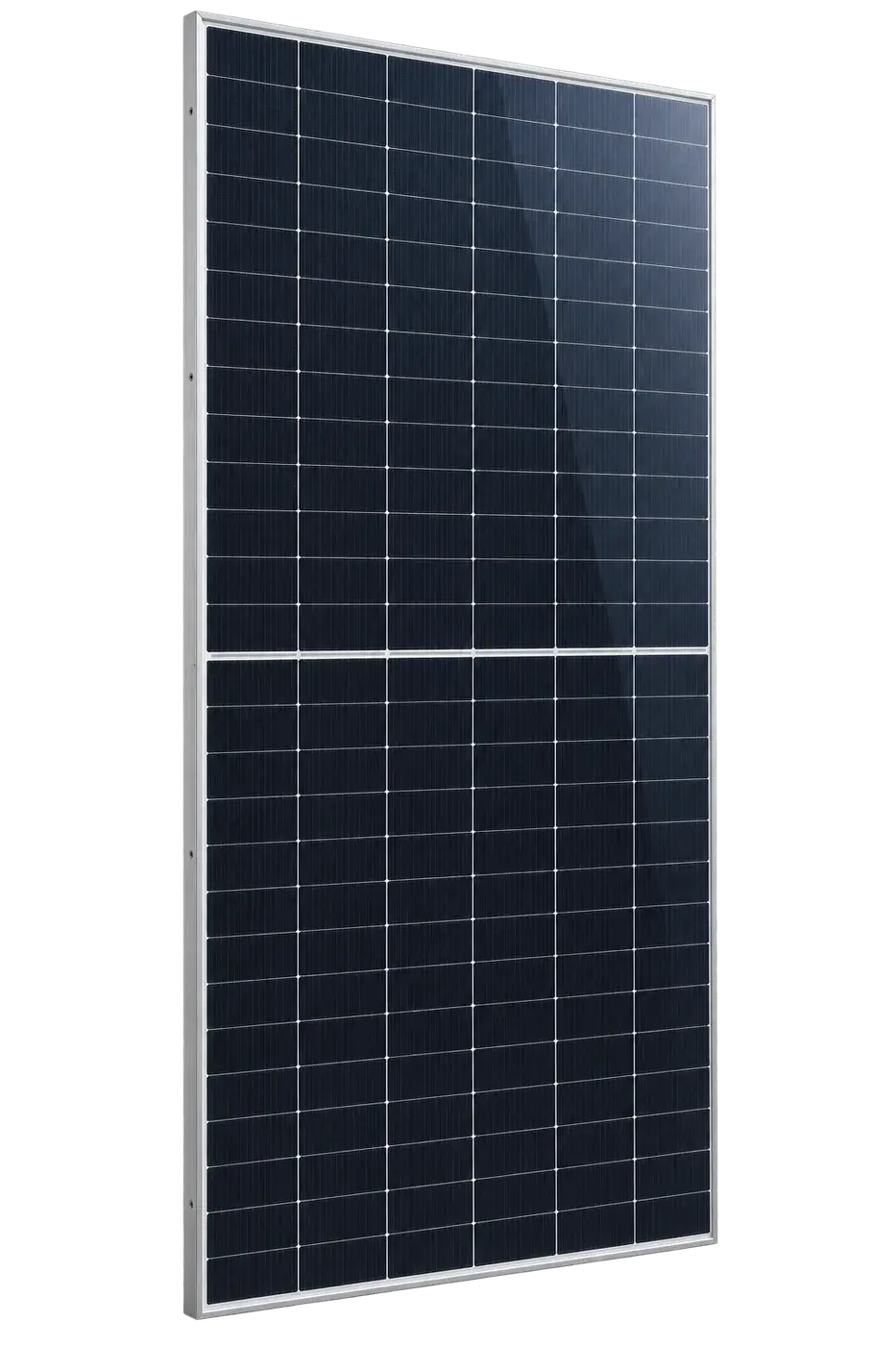
The 78-cell format adds a thirteenth row of M10 cells, stretching the module to about 2465 mm and lifting a TOPCon module to 615–635 W. Like the rectangular-wafer 2382 mm module, it keeps the 1134 mm width for container and tracker compatibility, and it was popular with tracker suppliers whose tables were designed around fewer, longer modules per row.
Its higher Voc (around 56 V) means fewer modules per 1500 V string — typically 24 instead of 26–27 — so string and table lengths must be recalculated rather than copied from 72-cell designs. The 2.5 m length increases deflection under wind and sand loads; use the manufacturer's clamp zones exactly and verify that the structure's purlin spacing matches. Bifaciality around 80 % and a glass-glass build make it suitable for desert ground-mount and tracker plants.
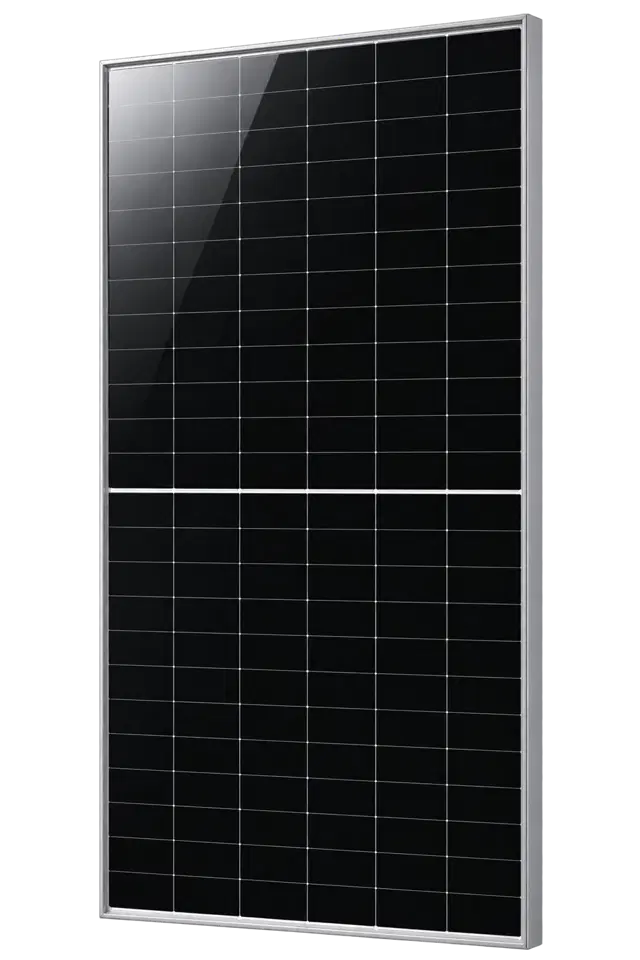
Utility-scale back-contact (HPBC 2.0) bifacial module, 640–670 W class, up to 24.8 % efficiency.
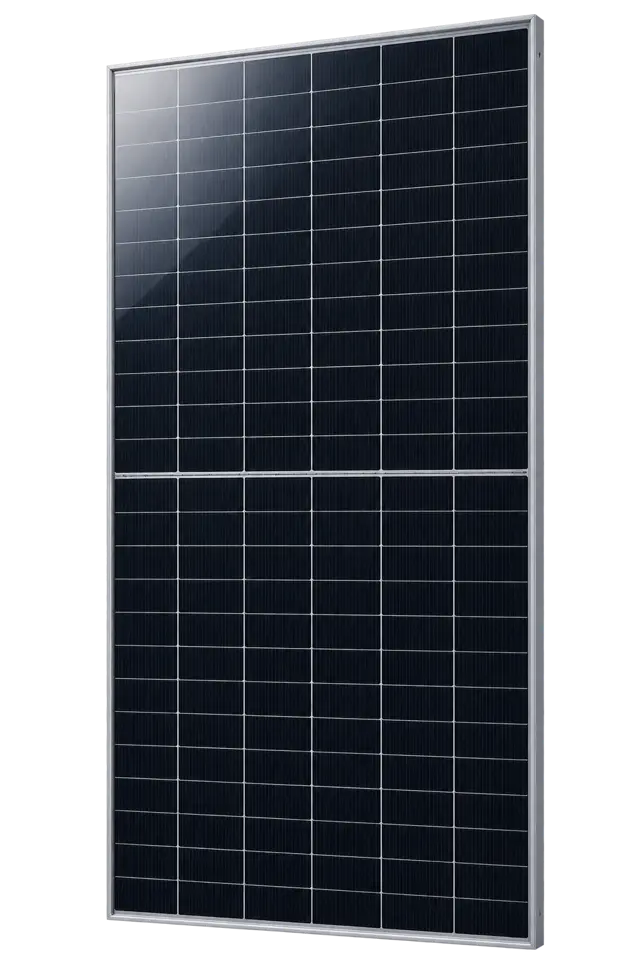
Bifacial dual-glass N-type HPDC module for ground-mount plants, 600–625 W, 23.0 % efficiency.
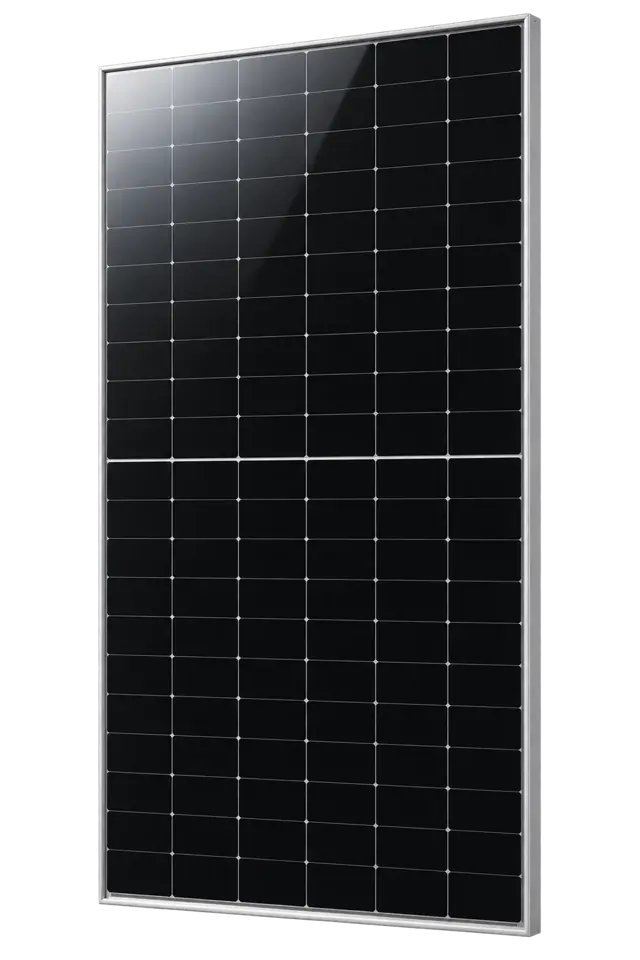
Monofacial HPBC module for commercial & industrial rooftops, 570–595 W, 22.8 % efficiency.
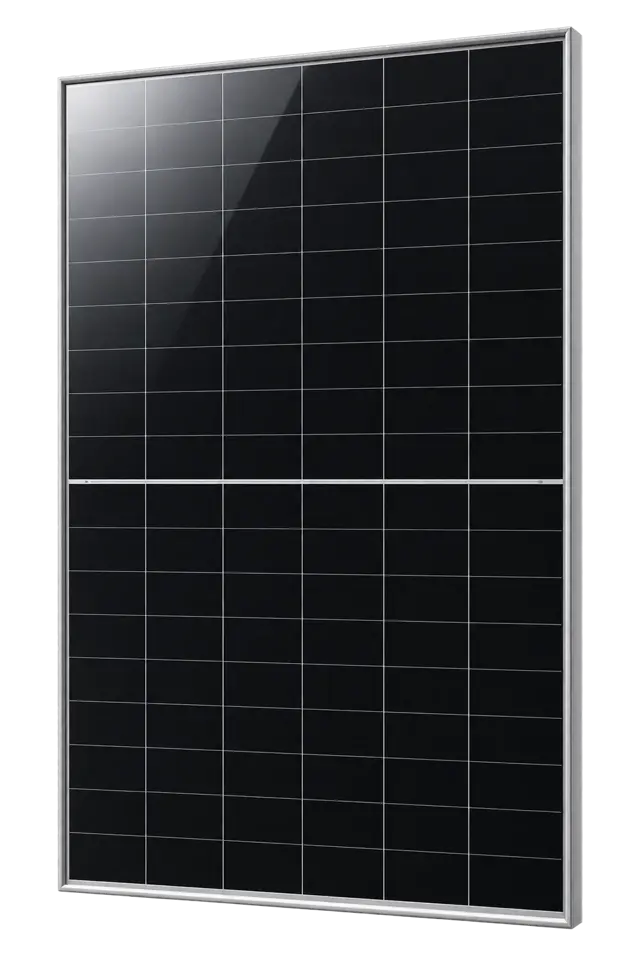
Residential back-contact rooftop module, 455–485 W, 23.3 % efficiency with anti-shading design.
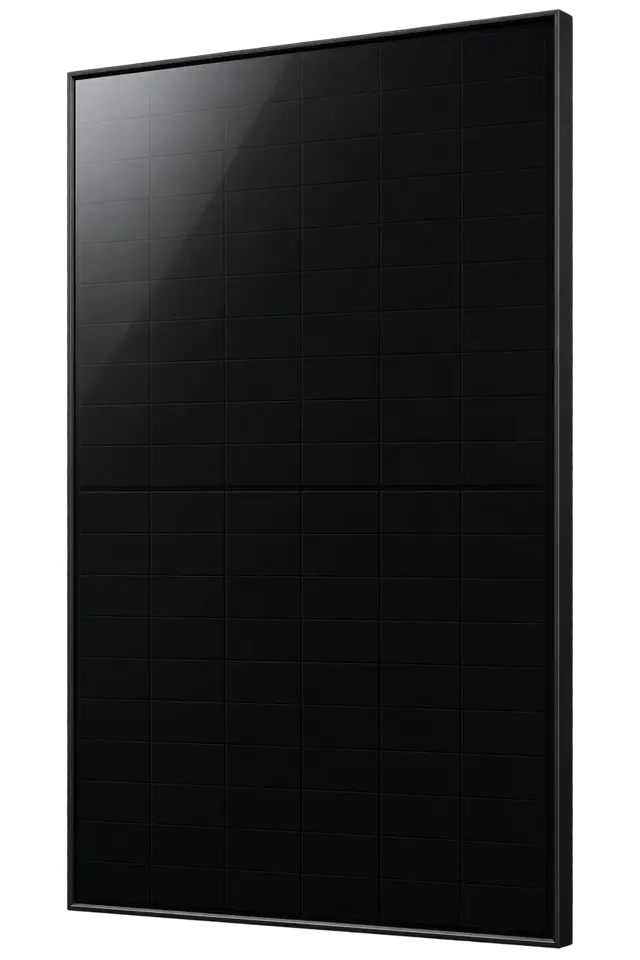
All-black aesthetic version for premium villas, 445–465 W, 22.5 % efficiency.
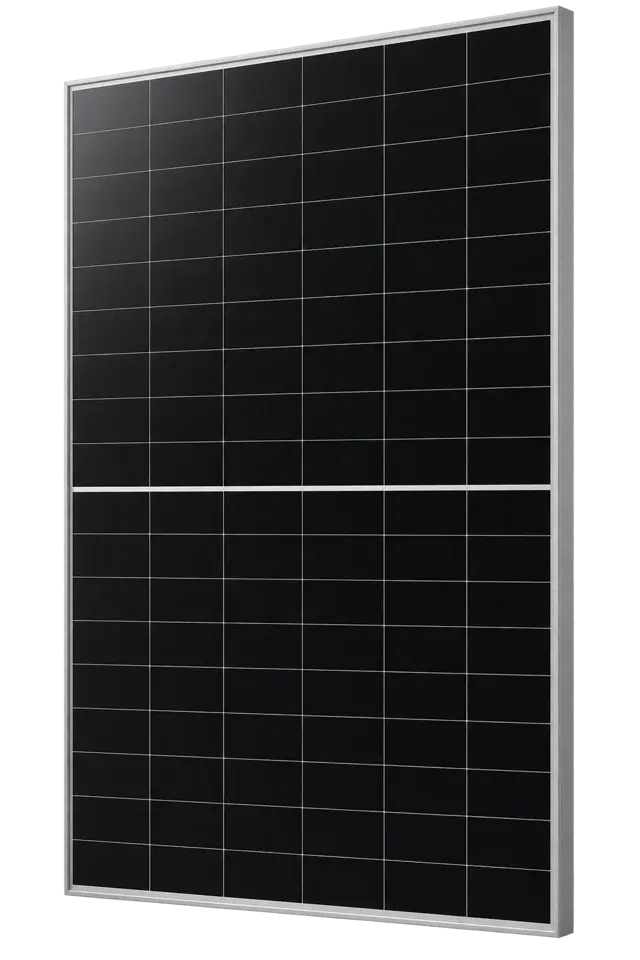
Residential HPBC 2.0 back-contact module, 54-cell format, around 480 W with strong partial-shade behaviour.
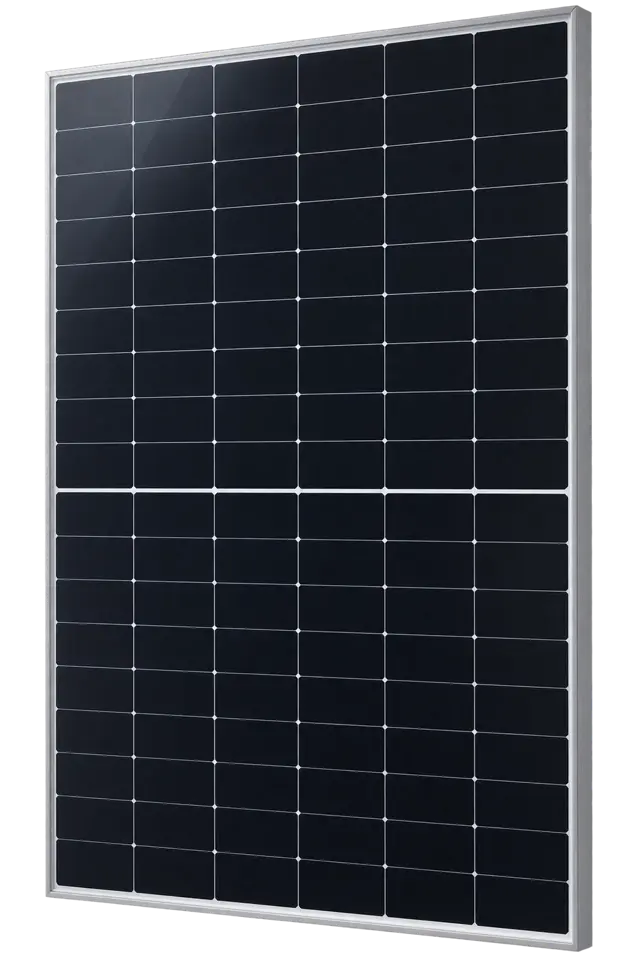
Rooftop HPBC back-contact module on 182 mm wafers, 415–435 W, around 22 % efficiency.
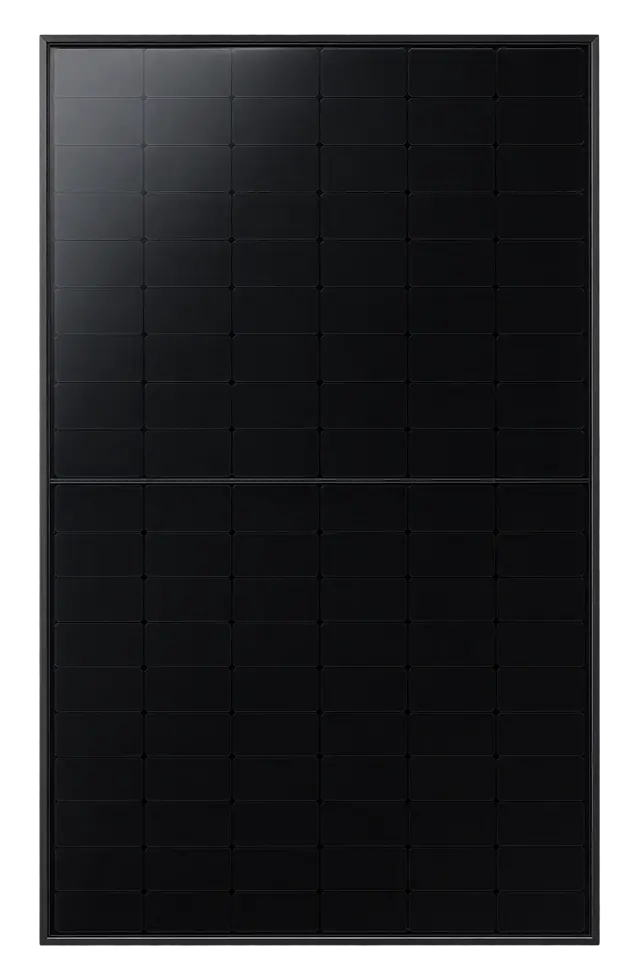
All-black residential back-contact module with black frame and backsheet, around 420 W.
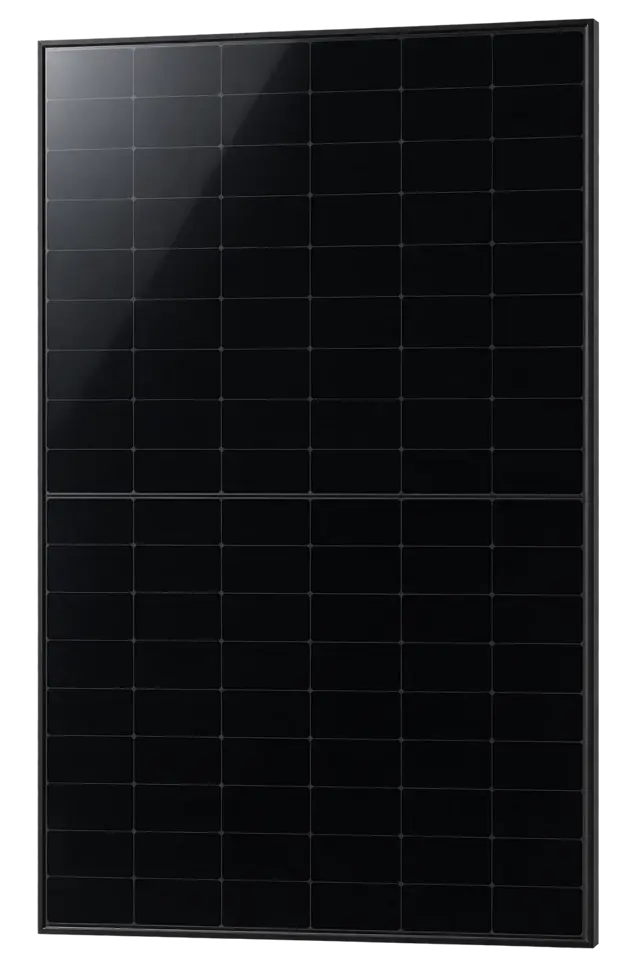
Premium all-black HPBC 2.0 rooftop module with extended warranty, around 450 W and 23 % efficiency.
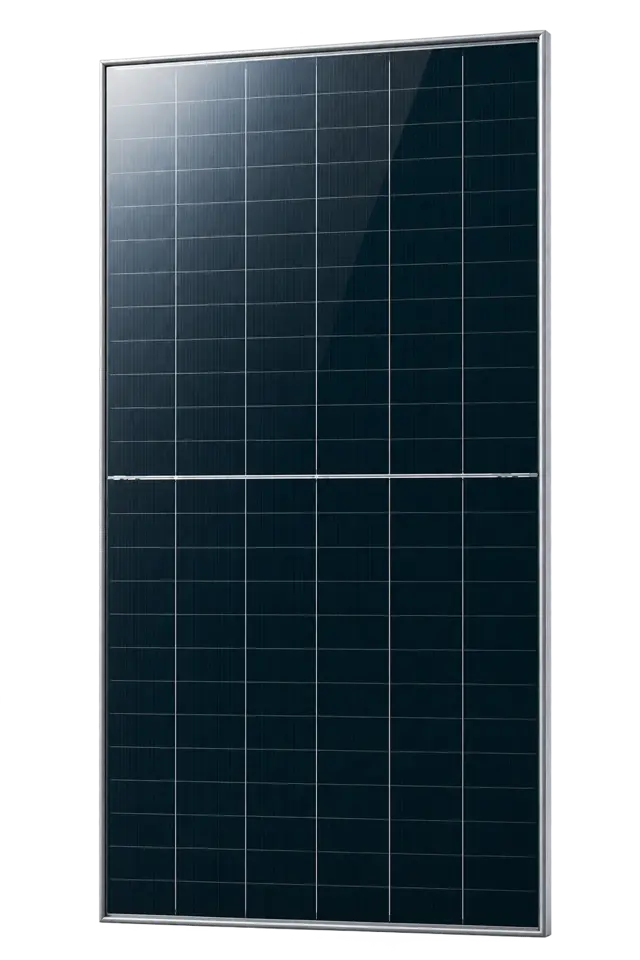
N-type TOPCon bifacial dual-glass module, 695–720 W, 23.2 % efficiency. Our utility-scale reference product.
